


Education

Quick Summary
Terracotta tile stands out for its warm, natural appearance and long-lasting character, but it also requires proper sealing and maintenance to perform well over time. It works especially well in spaces where texture, warmth, and rustic design are priorities.
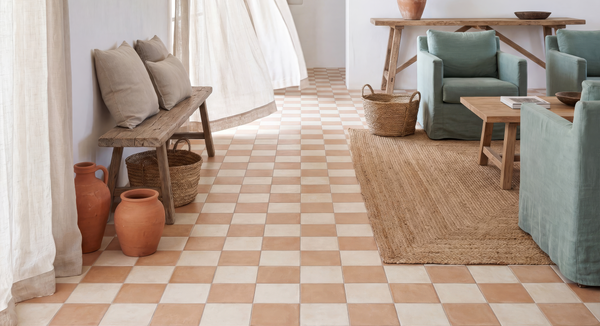
Few materials bring the same feeling of warmth and history to a space as terracotta. The word itself means "baked earth" in Italian, and that is exactly what terracotta tile is: natural clay shaped and fired in a kiln until it becomes hard, durable, and rich with color. The result is a surface full of character, with red, orange, brown, and ochre tones that shift slightly from tile to tile.
At Tile Mart, our terracotta tiles collection captures that sun-baked, handcrafted feel in formats that suit traditional and modern homes alike. Terracotta is especially popular for kitchen tiles, floor tiles, patios, and Mediterranean-style tile designs.

What Is Terracotta Tile and How Is It Made?
Terracotta is one of the oldest building materials in the world. Ancient Roman and Etruscan builders used it for roofs, floors, and decorative reliefs more than two thousand years ago. The basic process has not changed much since then.
Natural clay is mixed with water and sometimes grog, which is finely ground fired clay that helps reduce shrinkage during drying. The mixture is pressed or shaped into tiles, dried for several days, and then fired at high temperatures. The clay's iron content gives terracotta its signature reddish-orange color. Depending on the clay source and firing conditions, the final shade can range from pale pink and soft yellow to deep rust and dark brown.
Terracotta tiles come in two main types: unglazed and glazed. Unglazed tiles keep their natural matte, slightly textured surface. Glazed tiles have a glass coating baked on top that adds shine, deepens the color, and makes the tile more resistant to stains and moisture.
The Pros and Cons of Terracotta Tile
Like any natural material, terracotta has real strengths and a few important trade-offs.
Here is what makes terracotta a great choice:
- Highly durable and scratch-resistant when properly installed and sealed, often lasting for decades.
- Warm, earthy color variation that works beautifully with brown tiles, orange tiles, and other natural finishes.
- Feels warmer underfoot than many stone or porcelain surfaces because of its thermal mass.
- Works well with underfloor heating systems, absorbing heat and releasing it slowly.
- Made from natural clay, giving it an organic, handcrafted feel.
Here is what you need to watch out for:
- Terracotta is porous in its natural state. Without a good sealer, it can absorb spills, oils, and dirt quickly.
- The tiles can be brittle before installation. Dropping a heavy object from a height may crack or chip the surface.
- Regular resealing is important. Most floors need resealing every one to three years depending on traffic and location.
- Repairs can be difficult once tiles are set. Matching color and finish on a replacement tile is not always easy.
Where Terracotta Tile Works Best
Terracotta fits beautifully into many parts of the home. It shines brightest in dry, moderate-traffic areas where its warm color becomes part of the room's personality.
Kitchens and dining rooms are a natural fit. The earthy tones pair well with wood cabinets, open shelving, and natural textures, creating a cozy and welcoming feel. Entryways and hallways also work well. Terracotta hides dirt better than very light tiles and adds immediate character the moment someone walks through the door. Outdoor tiles, patios, and garden paths are another strong option when the tile is rated and sealed properly for exterior use.

Bathrooms and showers need more caution. Glazed terracotta with a quality sealer can work in some bathroom settings, but unglazed tiles can absorb moisture if not protected correctly. In damp areas, many shoppers compare terracotta with porcelain tiles, which can offer a similar warm look with less upkeep.
Sealing and Maintenance: What You Need to Know
Sealing is the single most important step for terracotta tile. Without it, the porous surface acts like a sponge, pulling in stains from oil, wine, and even plain water.
A penetrating sealer soaks into the tile and protects it from within. A surface sealer adds a protective layer on top and can create a matte, satin, or glossy finish. Most installers apply both for maximum protection. After the initial sealing, plan to reseal floors every one to two years. Outdoor areas may need yearly attention, especially before the rainy season.
Daily care is simple. Sweep or vacuum to remove grit that can scratch the surface. Mop with a pH-neutral cleaner made for natural stone or clay tile. Skip the vinegar, bleach, and ammonia-based products. These can strip the sealer and damage the tile over time. If water no longer beads on the surface, that is your signal that the sealer has worn thin and resealing is due.
Cost and Installation Basics
Terracotta costs vary based on whether the tile is machine-made, handmade, imported, glazed, or unglazed. Handmade and imported options from Italy, Mexico, or Spain usually sit at the higher end because of the production process and color variation.
Professional installation is strongly recommended. Terracotta tiles need careful handling because they can chip before they are set. The substrate must be flat and dry, grout joints need sealing, and the installer needs to understand how the sealer will affect color, finish, and long-term maintenance.
Installation is not a casual DIY project. A pro with terracotta experience will also know which sealers work best for your climate and how the tiles interact with underfloor heating, exterior exposure, and high-traffic areas.
Terracotta vs. Terracotta-Look Porcelain
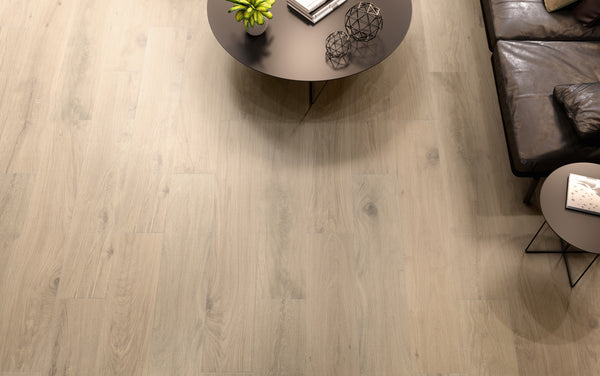
If the warm look of terracotta appeals to you but the upkeep gives you pause, consider porcelain tiles designed to mimic that same sun-baked character. Porcelain starts with a finer, more refined clay and fires at higher temperatures than traditional terracotta. That intense heat fuses the material into something denser, so the finished tile resists water, stands up to scratches, and does not require sealing the way natural terracotta does.
The trade-off is in feel and authenticity. Real terracotta has a softer, warmer feel underfoot and color variation that feels organic. Porcelain versions can look convincing and are easier to maintain, but they do not have the same handcrafted clay character. The choice comes down to how much you value low maintenance versus genuine material character.

For shoppers comparing real clay tile, pavers, and porcelain alternatives, Tile Mart carries options across terracotta tiles, pavers, rustic tiles, farmhouse tiles, and warm traditional tiles.
Shop Terracotta Tile at Tile Mart
Explore Tile Mart's terracotta tile collection for warm clay tones, rustic character, and timeless floor and wall applications. You can also browse related outdoor tiles, kitchen tiles, floor tiles, and porcelain tiles to compare maintenance, finish, and installation requirements before choosing.
FAQs
Can terracotta tile be used outdoors?
Yes. Terracotta can work outdoors when the tile is suitable for exterior use and sealed properly. It performs well on patios and garden paths, but it should be resealed regularly, especially before wet or freezing weather arrives.
How do I know if my terracotta needs resealing?
Do a simple water test. Pour a small amount of water onto the tile. If the water soaks in and darkens the surface rather than beading up, the sealer has worn away and it is time to reseal.
Is terracotta tile slippery?
Unglazed terracotta has a naturally textured surface that can offer good grip. Glazed terracotta can be slippery depending on the finish. For kitchens, bathrooms, or outdoor areas, look for a matte or slip-resistant finish appropriate for the application.
Can I install terracotta tile myself?
Terracotta installation is harder than it looks. The tiles are fragile before setting, cutting them takes practice, and sealing must be done correctly to avoid moisture and staining problems. Unless you have tiling experience, hiring a professional installer is the safer path.