




Education

Quick Summary
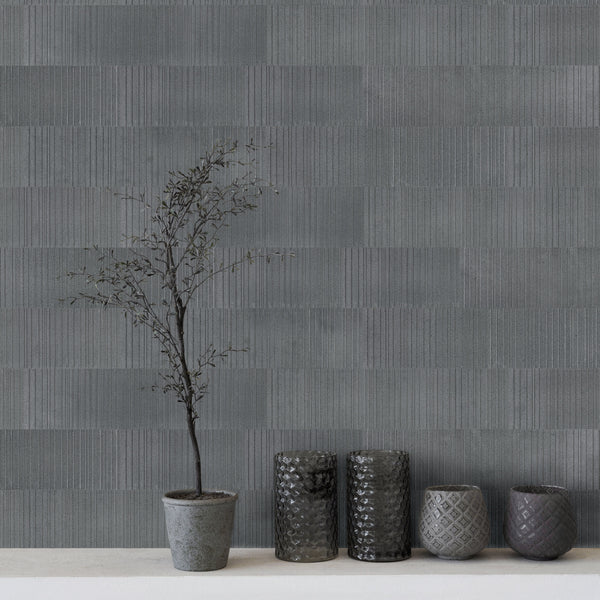
If you are choosing between a staggered tile pattern and a straight tile layout, the main difference is visual movement. A staggered layout, also called an offset or running bond pattern, creates a classic brick-like look with more movement. A straight layout, also called a stacked or grid pattern, lines up every grout joint for a cleaner and more modern look.
The best choice depends on the tile size, room style, surface flatness, and how much pattern you want to see. For large-format tile and long plank tile, always check the manufacturer's recommended offset before installation, since some tiles should not be installed with a full 50% offset.
Love the look of staggered brick patterns? Shop our full collection of Subway Tile to bring this style home.
Shop Subway TileStaggered vs Straight Tile Layout: Quick Decision Guide
| Choose This Layout | Best For | Why It Works |
|---|---|---|
| Staggered tile pattern | Subway tile, wood-look tile, traditional backsplashes, classic bathroom floors | Adds movement, softens the grid, and can help disguise small spacing or surface imperfections |
| Straight tile layout | Modern backsplashes, large-format tile, minimalist bathrooms, clean wall designs | Creates a crisp, symmetrical look and keeps the focus on the tile color, texture, or veining |
Browse Tile Mart's subway tiles, backsplash tiles, bathroom tiles, floor tiles, and large format tiles to find a tile that works with the layout you want.
What Is a Staggered Tile Pattern?
A staggered tile pattern shifts each row of tile so the grout joints do not line up in one continuous vertical line. This layout is also called an offset pattern, running bond, or brick pattern. It is commonly used with rectangular tiles, especially subway tile, brick mosaics, and wood-look planks.
The staggered look feels familiar, balanced, and slightly more traditional. It works well when you want the tile layout to add movement without making the room feel too busy.
What Is a Straight Tile Layout?
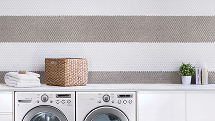
A straight tile layout lines up every tile edge vertically and horizontally. This layout is also called a stacked layout, grid layout, or straight lay pattern. The grout joints create clean continuous lines across the wall or floor.
Straight layouts feel more modern and structured. They are especially effective when you want the tile color, finish, texture, or veining to be the main design feature instead of the pattern itself.

Pros and Cons of a Staggered Tile Layout
- Creates a classic look that works well in kitchens, bathrooms, showers, and floors
- Adds movement and visual texture without needing a bold tile color
- Works especially well with rectangular tile, subway tile, brick mosaic tile, and wood-look tile
- Can help make slight spacing differences or surface imperfections less noticeable
- May require more planning and more cuts than a simple straight layout
- May not be recommended as a 50% offset for some large-format or plank tiles

Pros and Cons of a Straight Tile Layout
- Creates a clean, modern look with strong symmetry
- Pairs well with contemporary tile, minimalist interiors, and large-format tile
- Keeps the layout simple so the tile surface, color, or veining can stand out
- Can make a backsplash or shower wall feel wider or taller depending on the tile direction
- Requires precise alignment because crooked grout lines are easier to notice
- Can feel plain if the tile has very little color, texture, or variation

Where Each Tile Layout Works Best
Kitchen Backsplashes
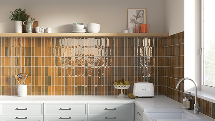
For a kitchen backsplash, staggered subway tile is one of the most familiar choices. The offset pattern adds movement behind the stove, sink, and counters without overpowering the cabinets or countertop.
A straight stacked layout gives a kitchen tile backsplash a more current, tailored look. It works especially well with longer rectangular tiles like 3x12 or 4x12 because the continuous lines can make the backsplash feel wider and cleaner.
Bathroom Walls
Both layouts can work well on bathroom tile walls. A vertical straight stack can draw the eye upward and make a smaller bathroom feel taller. A horizontal straight stack can make a shower wall or vanity wall feel wider.
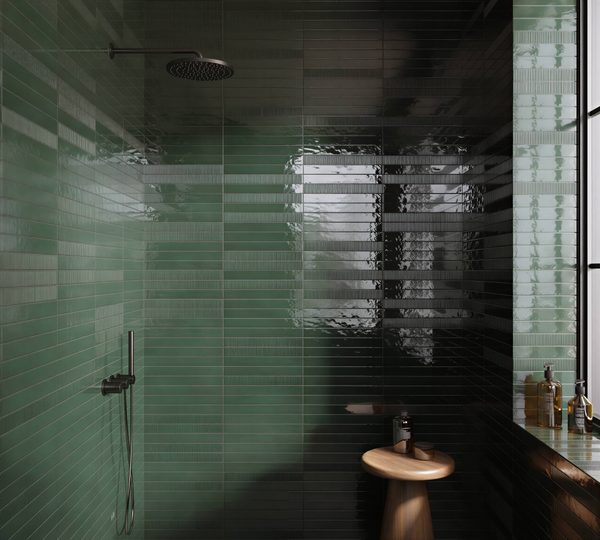
A staggered pattern is a good choice when you want a softer and more traditional bathroom look. It is also useful when the tile shape is classic, such as subway tile or brick-look tile.
Bathroom Floors and Shower Areas
For bathroom floors and shower tile, the layout should be chosen along with the right tile finish, grout joint, slope, and installation method. A matte or textured surface is often preferred for wet floor areas, but the final choice should follow the tile's approved application and your installer's recommendation.
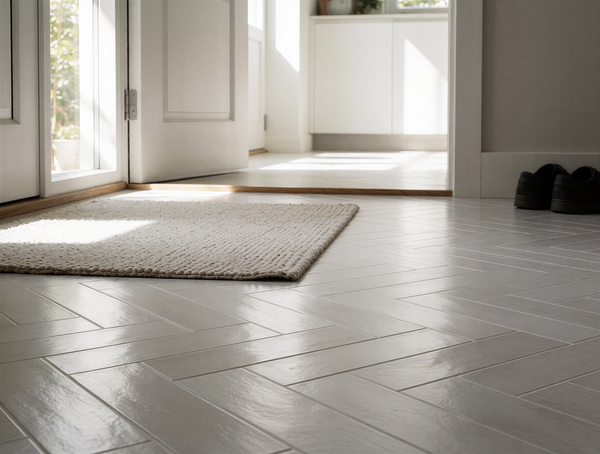
Staggered porcelain tile can create a more traditional floor look, while straight-laid porcelain tile can make the space feel cleaner and more structured. For shower floors, smaller mosaics are commonly used because they can follow the slope of the shower pan more easily than large tiles.
Large Floors and Open Living Areas
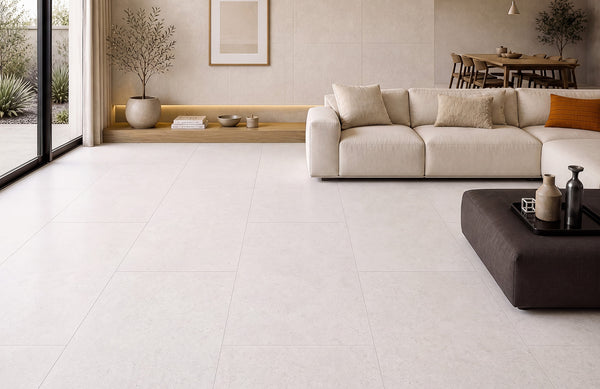
In larger rooms, the layout has a major effect on how open the space feels. Large format tiles, including 12x24 tile and larger sizes, often look clean and expansive in a straight layout because the pattern does not compete with the tile's veining, stone look, or concrete look.
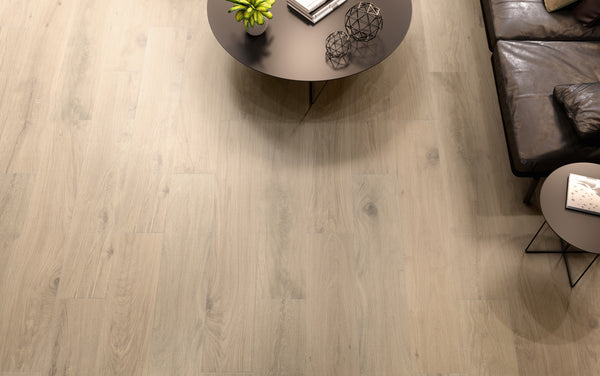
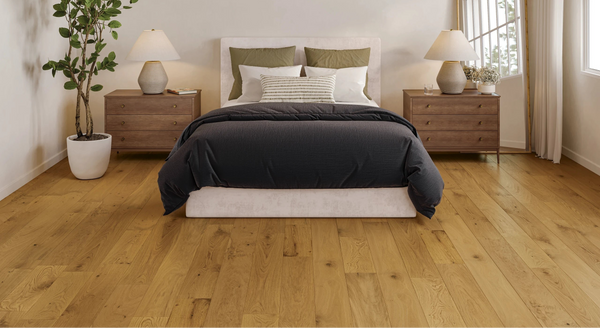
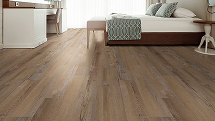
Staggered layouts are especially popular for wood look tiles because the offset pattern helps mimic the look of real wood flooring. For long plank tile, a 1/3 offset is often preferred over a 1/2 offset because it can help reduce the chance of lippage. Always confirm the recommended offset for the specific tile before installation.

Tile Size Matters More Than Most Shoppers Think
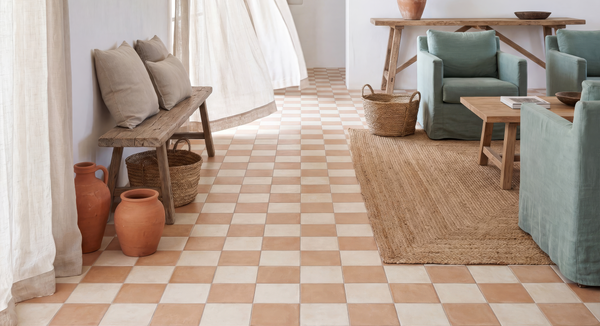
The size and shape of your tile can limit which layout makes the most sense. Square tiles are usually installed in a straight grid, diagonal layout, checkerboard layout, or another decorative pattern. Rectangular tiles can work in either a staggered or straight layout, depending on the style you want.
For long rectangular tile and large-format tile, check the tile box, product details, or manufacturer instructions for offset recommendations. Some tiles should not be installed with a full 50% offset because the highest point of one tile can meet the lowest point of the next tile, making lippage more noticeable.
If you want a smaller patterned format, mosaic tiles are worth comparing. For this layout decision, brick mosaic tiles, linear mosaic tiles, and square mosaic tiles are especially relevant.
Surface Flatness and Installation Planning
The flatter the wall or floor, the easier it is to achieve a clean layout. Straight stacked tile exposes alignment issues because the grout joints run in continuous lines. If one tile is slightly off, the eye can follow that mistake across the wall or floor.
Staggered tile is usually more forgiving visually because the broken grout lines help interrupt the sightline. That does not replace proper surface preparation, but it can make small imperfections less obvious once the tile is installed.

Grout Color Can Change the Whole Look
Grout color plays a big role in how noticeable the layout becomes. Contrasting grout makes the pattern stand out. Matching grout softens the layout and lets the tile surface feel more continuous.
For staggered layouts, contrasting grout highlights the offset pattern and creates a stronger brick-like effect. For straight layouts, contrasting grout emphasizes the grid and can make the design feel more graphic and modern. If you want a quieter look, choose a grout color closer to the tile color.
Installation and Budget Considerations
Installation cost depends on the tile, room size, layout, surface condition, and installer. Straight layouts are often simpler to plan because the tile edges and grout joints stay aligned. Staggered layouts can require more layout planning and more cuts, especially around corners, edges, outlets, niches, and room transitions.
Before ordering, ask your installer how much extra tile to purchase for cuts, waste, and future repairs. The right overage depends on the room shape, tile size, pattern, and whether the tile has strong shade variation or directional veining.
What to Ask Your Installer Before Choosing a Layout
- Is this tile approved for the wall, floor, shower, or backsplash area where I want to use it?
- Does the manufacturer recommend a specific offset for this tile?
- Will a straight layout or staggered layout work better with my wall or floor condition?
- What grout joint width do you recommend for this tile?
- How much extra tile should I order for this layout?
- Will the tile's veining, texture, or shade variation look better in one direction?
Making Your Final Choice
Choose a staggered tile pattern if you want a classic look, more movement, or a layout that feels softer and more traditional. It is a strong choice for subway tile, brick-look tile, wood-look tile, and many backsplash or floor projects.
Choose a straight tile layout if you want a cleaner, more modern look with strong lines and symmetry. It is a strong choice for minimalist bathrooms, contemporary kitchens, large-format tile, and designs where the tile finish or veining should be the focus.
You can also use both layouts in different areas of the home. For example, a staggered kitchen backsplash and a straight-laid bathroom floor can create variety without feeling mismatched. The key is choosing the layout that fits the tile, the room, and the look you want.
Shop Tile Layout Options at Tile Mart
Explore Tile Mart's subway tiles, backsplash tiles, kitchen tiles, bathroom tiles, floor tiles, wall tiles, and large format tiles to find the right tile for your project.
FAQs
Is staggered tile the same as running bond?
Yes. A staggered tile pattern is often called running bond, offset, or brick pattern. The names can vary, but they usually refer to a layout where each row is shifted instead of lined up in a straight grid.
Is a straight tile layout more modern?
In many designs, yes. Straight stacked tile often feels more modern because the grout joints line up cleanly and create a simple grid. The final look still depends on the tile color, finish, size, and grout choice.
Can I mix staggered and straight layouts in the same room?
Yes, but it should feel intentional. A staggered shower wall with a straight-laid bathroom floor can work well because the layouts are separated by a change in surface. Using both layouts on the same wall can look busy unless there is a clear design reason.
Does tile size affect which layout I should choose?
Yes. Small rectangular tiles, subway tiles, and brick mosaics often work well in staggered layouts. Large-format tiles and long plank tiles may need a smaller offset, such as a 1/3 offset, depending on the manufacturer's recommendation. Square tiles are usually better suited to straight grid, diagonal, checkerboard, or mosaic layouts.
Which layout is better for large-format tile?
Large-format tile often looks clean and expansive in a straight layout. If you prefer a staggered layout, check the manufacturer's offset recommendation first, especially for 12x24 tile, large rectangular tile, and plank tile.
Which layout is easier to clean?
The layout can affect how many grout intersections are visible, but cleaning depends more on the grout type, grout color, joint width, tile surface, and how well the installation is maintained. A smoother tile with properly maintained grout will usually be easier to clean than a highly textured surface.
Which layout adds more resale value?
Neither layout automatically adds more resale value. Buyers usually respond more to a clean installation, neutral design, quality materials, and a layout that fits the home. Both staggered and straight tile layouts can look high-end when installed well.