

Education

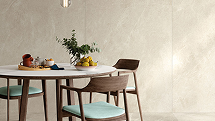
Featured Tile: Valdorcia Cotto Versailles Matte Porcelain
The best grout colors for terracotta tile are warm, earthy tones: beige, soft brown, a terracotta-matched shade, and deeper browns or charcoal when you want contrast. Warm terracotta grout keeps the clay tones looking natural, while cool grays and stark white tend to fight the tile's red undertones. The right choice depends on whether you want the grout to blend in or stand out.
Terracotta tile brings natural warmth, texture, and earthy richness into any home. Its clay tones create depth that feels grounded and timeless. Selecting grout for these tiles shapes the entire mood of the room. The wrong color interrupts the flow, while the right color heightens the organic beauty that terracotta is known for.
Grout affects contrast, scale, and the overall character of the layout. With thoughtful choices, terracotta tile works for rustic, modern, coastal, or Mediterranean styles. This guide covers the top terracotta grout color ideas and how each one changes the final design.
How Grout Color Shapes Terracotta Tile Design
Grout plays a functional role, but it also acts as a design tool. With terracotta, grout color influences warmth, pattern visibility, and the sense of continuity across floors or walls. Lighter grout expands a space with soft contrast.
Darker tones add definition and highlight each tile. Neutral hues create a blended effect that feels calm and grounded. Each choice sets a different tone, so terracotta can adapt to many interior styles. Before selecting a grout color, review tile samples in natural and artificial light to see how the clay tones shift throughout the day.
For a full view of terracotta shades and textures, explore Tile Mart's collection of terracotta tiles. This helps you match the tile accurately before choosing grout for your project.
Matching vs. Contrasting Grout: Which Should You Choose?
Most terracotta grout decisions come down to two directions. Matching grout uses a warm tone close to the clay color, so the joints blend in and the surface reads as one continuous field. Choose this when you want a calm, seamless look or you are working with large-format tiles.
Contrasting grout uses a deeper or cooler tone that outlines every tile, so the pattern and shape become the focal point. Choose this for herringbone, brick, or Versailles layouts where you want the geometry to show. When in doubt, a mid-tone warm grout is the safe middle ground that flatters almost any terracotta.
Warm Beige Grout for a Blended, Natural Look
Warm beige grout mirrors the soft clay tones found across many terracotta tiles. This pairing blends the joints into the surface without erasing visual interest. Beige keeps the tile pattern visible while giving the room a calm and cohesive feel.
It works well in kitchens, sunrooms, and entryways where natural textures play a large part in the design. Beige also suits rustic, farmhouse, and Mediterranean interiors by keeping the palette warm and grounded.
Soft Brown Grout for Rustic Depth
Soft brown grout highlights the earthy side of terracotta. The slightly deeper tone adds definition without overwhelming the pattern. Brown grout strengthens the rustic character of handmade or textured tiles, and it pairs naturally with matte surfaces because the shared warmth creates harmony.
Soft brown grout also helps hide dirt in high-traffic areas, which makes it practical for mudrooms or hallways. This choice adds a lived-in charm that feels comfortable and welcoming. For more tiles in this vein, browse our rustic tile collection.

Featured Tile: Fuego Teja 9x9 Matte Porcelain
Terracotta-Matched Grout for a Seamless Finish
Terracotta-matched grout blends into the tile for a near-monolithic appearance. It removes sharp lines and places all attention on the soft movement of the clay shade. This is ideal for spaces that need a smooth visual flow, such as open-concept living rooms or long corridors.
Terracotta grout in a matched tone also works well for large-format tiles, where uninterrupted color creates a clean foundation for layered decor. It supports minimal and modern interiors by keeping the tile layout subtle.

Featured Tile: Cotto Nature Siena 14x14 Gloss Porcelain
Dark Brown Grout for High Contrast
Dark brown grout draws attention to the shape and arrangement of each tile. The sharp contrast creates a defined rhythm that works well for patterned layouts such as herringbone or brick. Dark brown has a softer edge than true black while still offering strong definition.
It pairs well with terracotta tiles that have deeper red or burnt sienna tones. This grout color suits transitional and industrial spaces where structure and visual weight matter.
Charcoal and Black Grout for a Modern Edge
Charcoal and black grout add a contemporary tone to traditional terracotta. The cool depth plays against the warmth of the tile, creating a balanced, modern contrast. Charcoal reads a little softer, while true black gives the boldest outline around each tile. Both work best with smooth tiles or geometric layouts where crisp lines support the design.
Dark grout also hides stains well, which makes it useful for busy kitchens or entryways. It shifts terracotta from classic to modern while preserving the organic beauty of the clay. One tip: on very red terracotta, charcoal often looks more natural than pure black, since black can create a harsh outline.

Featured Tile: Valdorcia Cotto Versailles Matte Porcelain
White and Light Gray Grout: Proceed with Care
White and light gray grout can brighten a space and give terracotta a fresh, airy look, and it is a popular request for Mediterranean and coastal rooms. The trade-off is that cool white sits against terracotta's warm red undertones, so the contrast can feel stark and the light grout shows dirt faster on floors.
If you want a bright joint, a warm off-white or a greige tone usually flatters the clay better than a pure cool white. For style inspiration in this direction, see our Mediterranean tile collection.
Do You Need to Seal Terracotta Before You Grout?
Grout color is only part of the result. Many terracotta tiles, especially handmade and Saltillo-style clay, are porous, so it helps to apply a pre-grout sealer first. Sealing keeps the raw clay from absorbing pigment out of the grout, which can leave a haze or stain the tile face.
Test your sealer and grout on a spare tile before you start. A sanded grout is the common choice for the wider joints terracotta usually calls for, and a quality sealer over the finished floor protects both the tile and the grout color for years.
How to Test Grout Colors Before You Commit
Even slight shifts in terracotta tone change how grout appears. Light exposure, tile texture, and room size also influence the final result. Testing small grout patches next to your selected tile helps you see how the colors interact throughout the day, and it helps you avoid surprises once the full layout is complete.
For savings on full-room projects, explore Tile Mart's tiles on sale to match tile and grout combinations that fit your budget.
Bring Your Terracotta Vision to Life with Tile Mart
Here at Tile Mart, we help you match terracotta tiles with grout colors that elevate every space. Our team supports you with guidance, samples, and a wide range of styles in stock. Explore the collection to find the combination that brings out the warm character of terracotta.
Frequently Asked Questions
What color grout is best for terracotta tiles?
Warm, earthy tones are best: beige, tan, soft brown, or a terracotta-matched shade. These keep the clay tones looking natural. Use dark brown or charcoal instead when you want the tile pattern to stand out.
Should grout be lighter or darker than terracotta tile?
Both work, and it depends on the look you want. Grout that matches or sits slightly lighter than the tile creates a soft, seamless surface. Grout that is darker than the tile outlines each piece and highlights the layout.
Can you use grey grout with terracotta tiles?
You can, but choose a warm greige rather than a cool blue-gray. Cool gray can clash with terracotta's red undertones and make the floor look muddy, while a warm gray keeps the palette balanced.
Do terracotta tiles look good with black grout?
Black grout gives a bold, modern outline and works well with smooth tiles and geometric patterns. On very red terracotta, charcoal is often a softer, more natural choice than pure black.
Do you need to seal terracotta tiles before grouting?
Usually yes. Most terracotta is porous, so a pre-grout sealer stops the tile from absorbing grout pigment and staining. Always test the sealer and grout on a spare tile first.