



Education

Choosing bathroom tiles comes down to five decisions: material, size, finish, color, and budget. Get these right and everything else falls into place. This step-by-step guide walks through each one so you can choose tiles you will be happy with for decades.
Quick Answer
Start with material (porcelain for floors and wet areas, ceramic for walls), then determine size based on bathroom dimensions, select a finish appropriate for the location (matte or textured for floors, polished for walls), choose a color that suits your long-term design goals, and set a realistic budget that includes installation.
Step 1: Choose the Right Material
| Material | Best Used For | Key Strength | Main Consideration |
|---|---|---|---|
| Porcelain | Floors, showers, all wet areas | Durability and water resistance | Heavier, costs more than ceramic |
| Ceramic | Walls, backsplashes, light-traffic floors | Affordable, easy to work with | More porous than porcelain |
| Natural stone | Feature floors, walls in dry areas | Unique natural beauty | Requires sealing, higher cost |
| Glass | Shower walls, accent areas | Light reflection, non-porous | Slippery as a floor tile |
| Luxury vinyl | Budget bathroom floors | Waterproof, comfortable underfoot | Less durable long-term than tile |

Step 2: Determine the Right Tile Size
-
Small formats (1x1 to 4x4 inch): More grout lines create natural traction, which makes them a good fit for mosaic shower floors. -
Medium formats (6x6 to 12x12 inch): Classic, versatile, and work well in a wide range of bathroom sizes. -
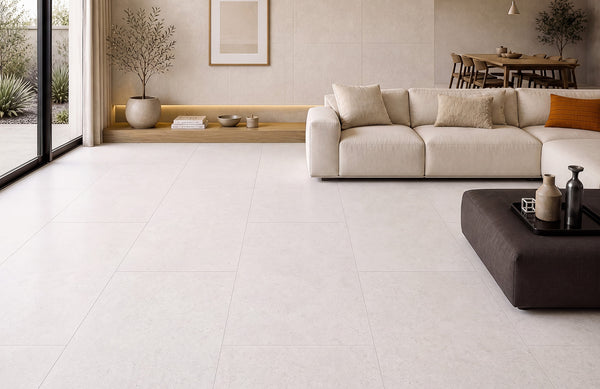
Large formats (12x24 to 24x24 inch): Fewer grout lines create a seamless, spacious look with large format tile. Best in medium to large bathrooms. -
Rectangular formats (4x12, 4x16, 12x24): Popular for contemporary aesthetics. Laid horizontally to widen or vertically to heighten a room.
Step 3: Choose the Right Finish
-
Matte finish: Low sheen, excellent traction, hides water spots and fingerprints. Best for bathroom and shower floors. -
Textured finish: Surface variation improves grip in wet areas. Good for shower floors. -
Polished/glossy finish: High sheen, reflective, brightens a space. Best for bathroom and shower walls. Slippery when wet. -
Satin/semi-polished: A middle ground with some sheen but without the slip risk of full polish. Works for both floors and walls.

Step 4: Pick a Color Strategy
Light colors
White, cream, light gray, and soft beige make bathrooms feel larger and brighter. The most timeless choice and best for resale value.
Medium tones
Warm grays, soft greens, dusty blues, and taupe tones provide more personality than white while remaining versatile.
Dark colors
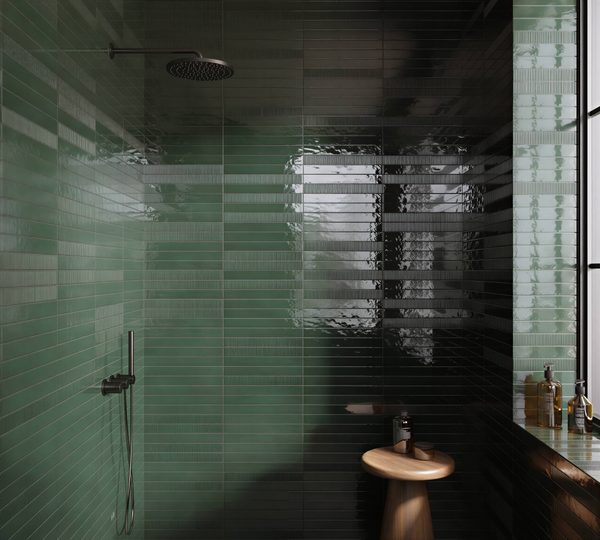
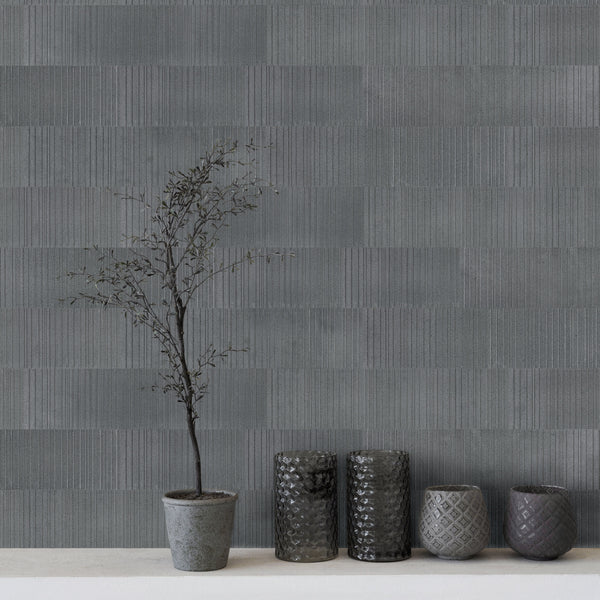
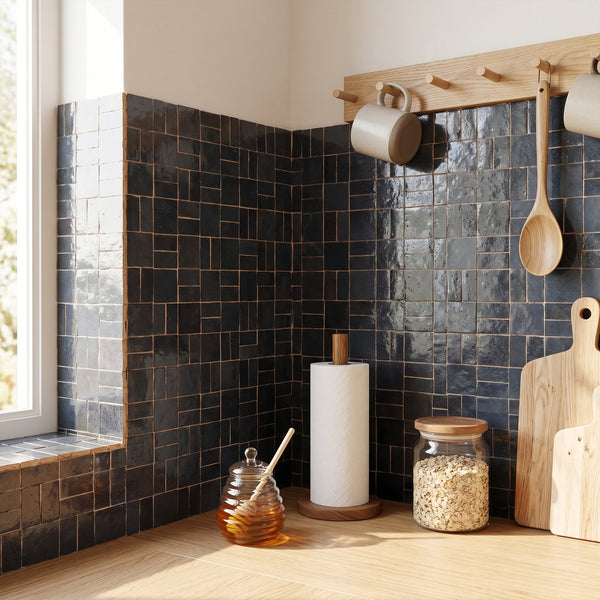
Charcoal, deep navy, forest green, and black tiles make a bold statement. Work well as accent walls or in bathrooms with good lighting.
Design tip: Stick to one or two colors. Introduce personality through grout color or a small accent tile rather than committing to multiple bold colors across the entire room.

Step 5: Set a Realistic Budget
| Budget Tier | Material Cost | What to Expect |
|---|---|---|
| Entry-level | $1–$4 per sq ft | Ceramic tiles, basic finishes, solid colors |
| Mid-range | $4–$12 per sq ft | Porcelain, decorative finishes, larger formats |
| Premium | $12–$25 per sq ft | High-end porcelain, designer collections, natural stone looks |
| Luxury | $25+ per sq ft | Natural marble, rare stone, handmade or artisan tile |
Installation typically adds $3–$15 per square foot. Always add 10 to 15% extra tile for cuts and breakage (20% for herringbone or diagonal layouts).
Step 6: Check Slip Resistance Ratings
-
COF (Coefficient of Friction): A rating of 0.42 or higher is recommended for bathroom floors. 0.60 or higher for shower floors. -
DCOF (Dynamic Coefficient of Friction): A DCOF of 0.42 or higher meets the current ANSI A137.1 standard for floors walked on when wet.
Bathroom Tile Selection Checklist
- Identify the specific location: floor, shower wall, shower floor, vanity wall, or feature wall
- Choose material appropriate to that location (porcelain for wet areas, ceramic for walls)
- Determine tile size that suits bathroom dimensions and design goals
- Confirm finish is appropriate (matte/textured for floors, polished acceptable for walls)
- Check COF or DCOF rating if selecting floor tile
- Select grout color and type (epoxy for high-moisture areas)
- Order samples and view under natural and artificial light in your bathroom
- Order 10 to 15% more tile than your square footage to account for cuts
Shop Bathroom Tile at Tile Mart
Explore our full bathroom tile collection, including floor tiles, wall tiles, mosaic tiles, shower tiles, and natural stone. Order tile samples through our Sample Program to see color and texture in your own space before you buy.

Frequently Asked Questions
Should bathroom floor and wall tiles match?
They do not need to match, but they should coordinate. A common approach is to use the same color family with different formats: a 12x24 porcelain on the floor and a 3x12 subway tile on the walls, for example.
Is it better to tile the floor or walls first?
Walls are typically tiled before floors. This prevents floor tiles from being damaged during the wall installation process and ensures a cleaner transition at the floor-wall junction.
How do I know if a tile is suitable for my bathroom floor?
Check the COF or DCOF rating on the tile spec sheet, and look for 0.42 or higher. Also confirm the PEI wear rating: III or higher is recommended for residential floor use.
How much extra tile should I order?
Add 10 to 15% to your total square footage for standard layouts. Add 20% for herringbone, diagonal, or other complex patterns that generate more cut waste.