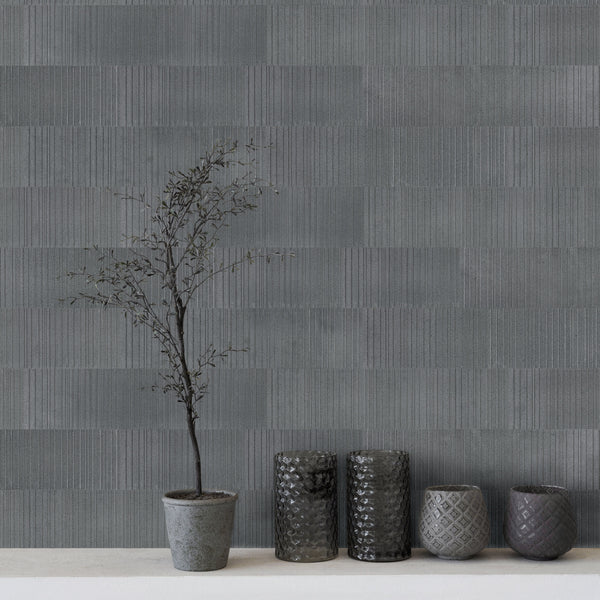
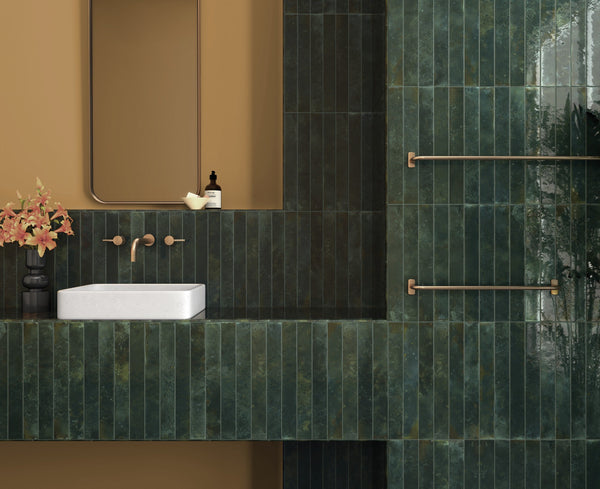
Discovering your unique design style can be a challenge. Allow us
to provide you with inspiration to find your style for your project,
along with what products you need.
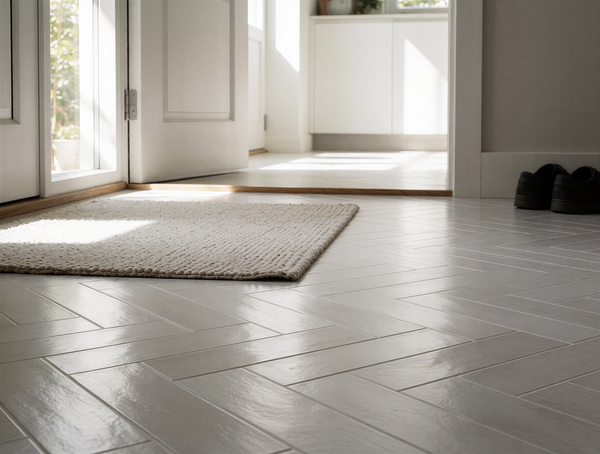
The PEI rating (ASTM C1027) measures how well a glazed tile's surface resists visible wear from foot traffic; it does not indicate tile strength, water absorption, or slip resistance. Most residential floors perform reliably at Class III, while heavy-traffic areas that collect outdoor grit, such as kitchens, entryways, and hallways, are best suited for Class IV. Higher ratings, such as Class V, are engineered for commercial environments and are rarely necessary for home use. Because PEI only applies to glazed surfaces, unglazed porcelain and natural stone will not feature a PEI class. Once you narrow down the technical rating on a spec sheet, order a physical sample to test how the finish and shade look under your room's specific lighting.
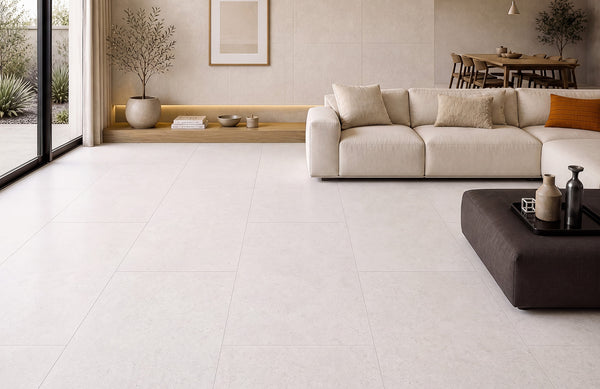
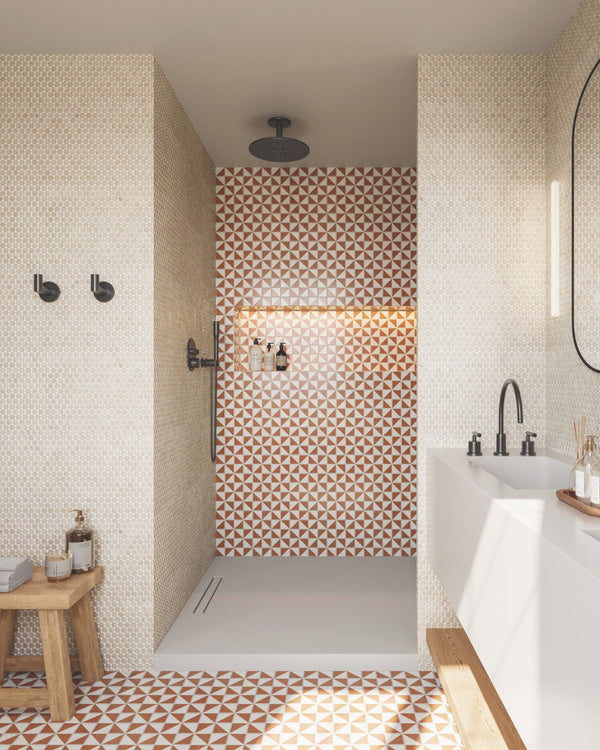
Choose large format tile (edges over 15") for open floors and full-height walls where fewer grout lines create a seamless, low-maintenance look. Choose small format tile for sloped shower pans, curved surfaces, cut-heavy layouts, or subfloors that can't meet strict flatness tolerances. Where the tile goes determines the size, not which option is better.
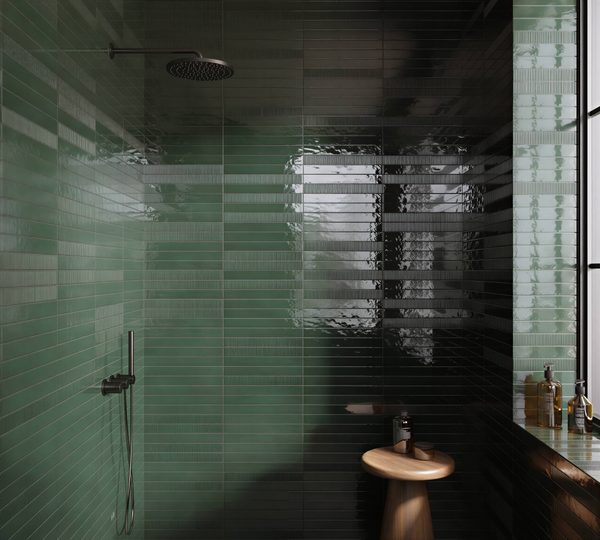
A tile shower can last 40 to 80 years or more, far longer than any prefabricated unit, but grout and caulk age on their own schedule. This guide breaks down what actually fails first, how long each component really lasts, and what to do to keep your shower looking new for decades.