





-

 GRAND LUX SOFT SOUND
Theodore 9x60 matte luxury vinyl plank
$3.71/sq.ft -

 CYRUS XL
Brookline 9x60 low gloss rigid core luxury vinyl plank
$3.56/sq.ft$2.49/sq.ft -

 IRIS
IRISAlmond 7x48 matte rigid core luxury vinyl plank
$3.02/sq.ft$2.72/sq.ft -

 CYRUS XL
Dunite oak 9x60 low gloss rigid core luxury vinyl plank
$3.56/sq.ft$2.49/sq.ft -

 ANDOVER
Hatfield 7x48 low gloss luxury vinyl plank
$3.84/sq.ft$2.69/sq.ft -

 APRES
APRESMocha 9x60 matte rigid core luxury vinyl plank
$3.39/sq.ft$2.88/sq.ft -

 ANDOVER
Blythe 7x48 low gloss luxury vinyl plank
$3.84/sq.ft$2.69/sq.ft -

 SMITHCLIFFS
Hillsdale 7x48 low gloss hybrid rigid core luxury vinyl plank
$3.36/sq.ft$2.69/sq.ft -

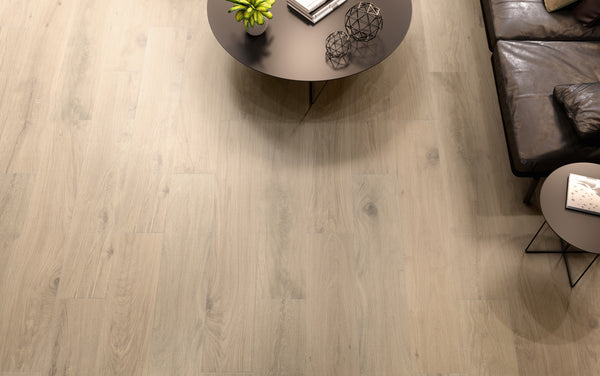
 WHISPER WOODS LITE
Coastal mist 9x60 matte rigid core luxury vinyl plank
$3.56/sq.ft -

 SMITHCLIFFS
Glenbury oak 7x48 low gloss hybrid rigid core luxury vinyl plank
$3.36/sq.ft$2.69/sq.ft -

 PRESCOTT
Finely 7x48 low gloss rigid core luxury vinyl plank
$3.74/sq.ft$2.99/sq.ft -

 SHOREWOOD
Driftwood 9x60 gloss luxury vinyl plank
$3.99/sq.ft -

 PRESCOTT
Ryder 7x48 low gloss rigid core luxury vinyl plank
$3.74/sq.ft$2.99/sq.ft -

 ASHTON
Bergen hills 7x48 low gloss rigid core luxury vinyl plank
$2.49/sq.ft$1.99/sq.ft -

 ASHTON
Xl loton hill 9x60 low gloss rigid core luxury vinyl plank
$2.61/sq.ft$2.09/sq.ft -

 GLENRIDGE
Charcoal oak 6x48 low gloss dryback luxury vinyl plank
$1.86/sq.ft$1.49/sq.ft -

 GLENRIDGE
Saddle oak 6x48 low gloss dryback luxury vinyl plank
$1.86/sq.ft$1.49/sq.ft -

 KATAVIA
Reclaimed oak 6x48 low gloss dryback luxury vinyl plank
$1.74/sq.ft$1.39/sq.ft -

 KATAVIA
Bleached elm 6x48 low gloss dryback luxury vinyl plank
$1.74/sq.ft$1.39/sq.ft


-
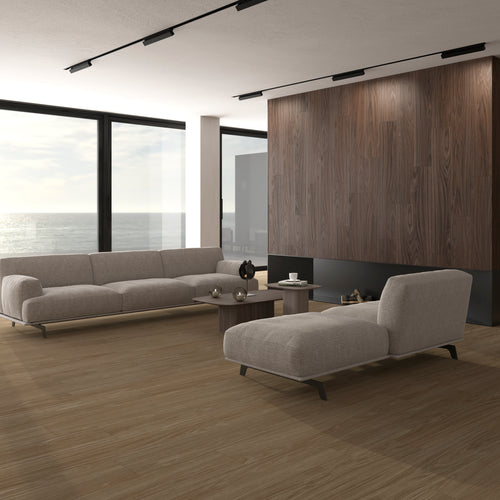
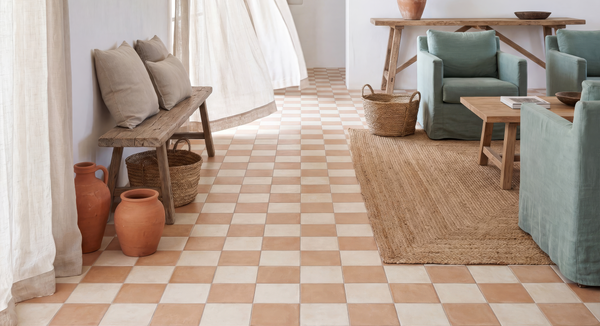
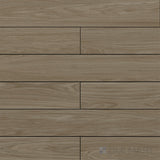 DOVER
DOVERCamel 10x60 matte porcelain plank tile
$9.72/sq.ft$6.81/sq.ft -
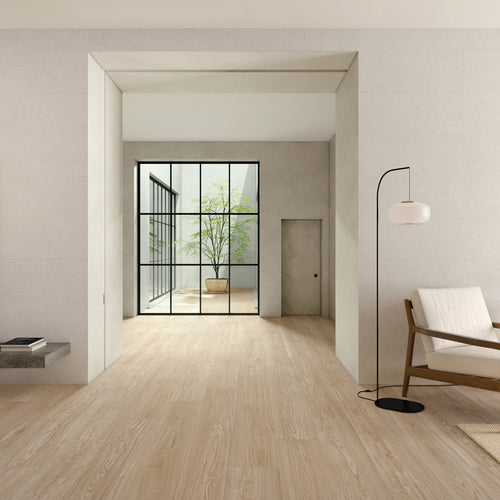
 GRAINIER
Maple 10x60 matte porcelain plank tile
$10.96/sq.ft -

 CENTURY WOOD LOOK
Honey 9.84x59.1 matte porcelain plank tile
$10.96/sq.ft -
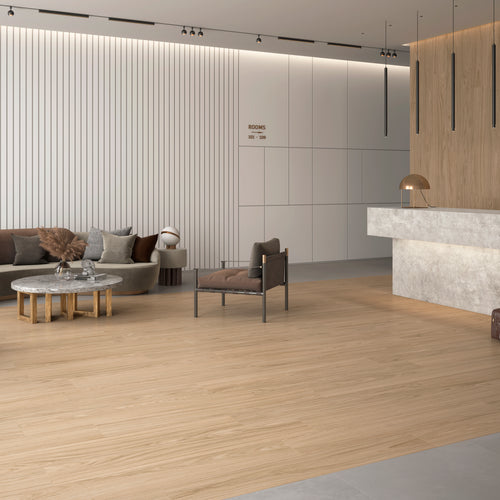
 DOVER
DOVERSand 10x60 matte porcelain plank tile
$9.72/sq.ft$6.81/sq.ft -
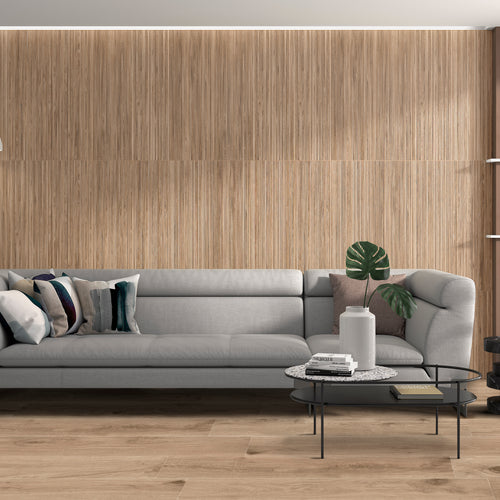
 RIBBON WOOD
Walnut 12.4x39.4 matte ceramic ribbed panel
$10.96/sq.ft -
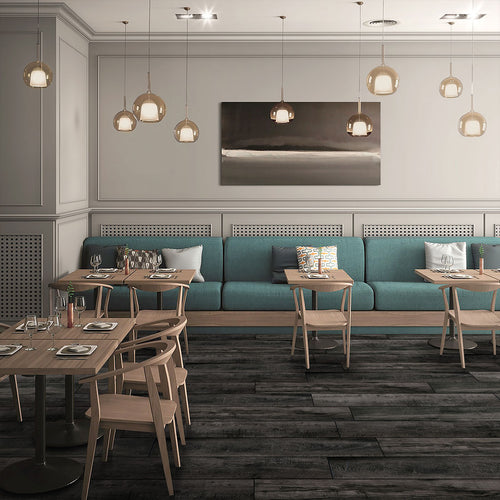
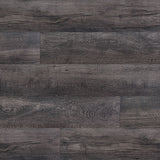 ANDOVER
Dakworth 7x48 low gloss luxury vinyl plank
$3.84/sq.ft$2.69/sq.ft -
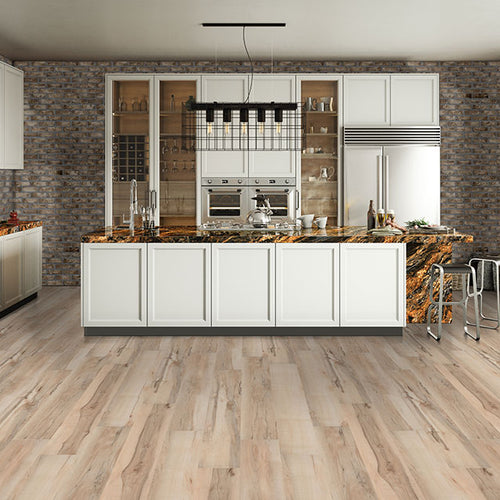
 CYRUS XL
Akadia 9x60 low gloss rigid core luxury vinyl plank
$3.56/sq.ft$2.49/sq.ft -
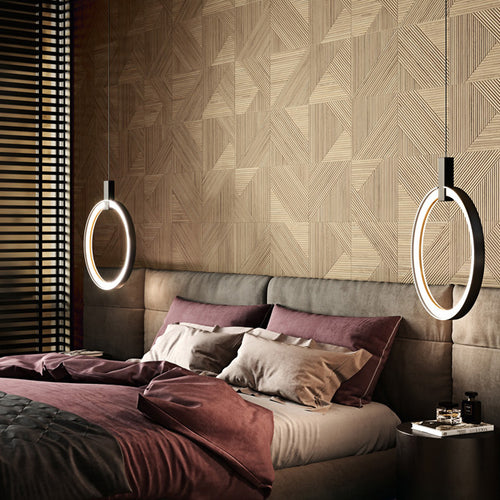
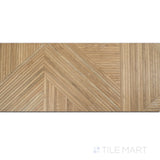 TANGRAM
Walnut 12.2x39.37 matte ceramic ribbed panel
$10.96/sq.ft -

 PRESCOTT
Bracken hill 7x48 low gloss rigid core luxury vinyl plank
$3.74/sq.ft$2.99/sq.ft


-

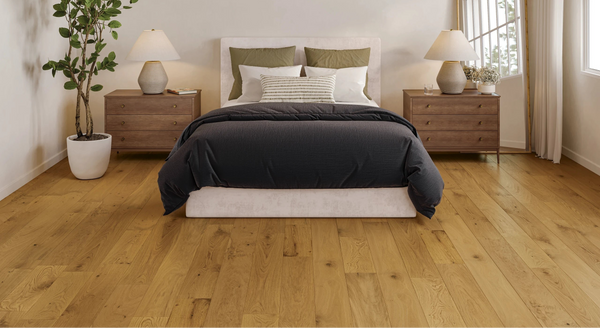
 BORDEAUX
Margaux 7.5x75 natural engineered hardwood
$8.69/sq.ft -

 BORDEAUX
Naturale 7.5x75 engineered hardwood
$8.69/sq.ft -

 MAISON
Trois 9.5x87 natural engineered hardwood
$20.39/sq.ft -

 LAGUNA
Beach 9.5x87 natural engineered hardwood
$9.99/sq.ft -

 LAGUNA
Dune 9.5x87 natural engineered hardwood
$9.99/sq.ft -

 NEWPORT
Beach 7.5x75 natural engineered hardwood
$8.69/sq.ft


5 Samples for $14.99
Five sample swatches of any tile for only $14.99. Learn more.
Tile Mart Trade Program
Member-only perks for industry professionals. Apply now.
Stress-Free Shipping
Flat-rate pricing with curbside and liftgate included. Learn more.
5% Off Your First Order
5% off your first purchase when you subscribe to our email list. Join now
Frequently Asked Questions
Luxury Vinyl Plank (LVP) and Luxury Vinyl Tile (LVT) use the same vinyl materials but differ in appearance. LVP mimics wood planks, offering a warm hardwood look, while LVT mimics stone or ceramic tile. Functionally both are durable and water-resistant. In practice, choose LVP for a seamless wood-floor aesthetic, or LVT if you want a tile pattern or custom floor design. Both types provide waterproof vinyl flooring performance.
Yes. Tile Mart’s vinyl planks and tiles are designed as waterproof vinyl flooring. Luxury vinyl is manufactured to be 100% waterproof, meaning spills or moisture will not damage the vinyl itself. This makes vinyl ideal for kitchens, bathrooms, and basements. However, proper installation is critical: seams should be tight and a moisture barrier or underlayment used to protect the subfloor. In short, the vinyl layer won’t warp from water, but ensuring a moisture-free subfloor will prevent issues under the floor.
The wear layer is the clear, protective top coating on vinyl flooring. Its thickness is measured in mils (thousandths of an inch). 1 mil = 0.001 inches. A higher mil rating means a tougher floor: e.g. 20–30 mil wear layers are very durable, suitable for high-traffic areas. A typical wear layer ranges from 6 mil (residential use) up to 20+ mil (commercial quality). In practical terms, a 12 mil wear layer is about as thick as two sheets of plastic wrap. Choose a wear layer based on use – busier homes benefit from thicker wear layers. For more guidance, see our vinyl flooring installation tips on assessing wear layer.
Often, yes. Vinyl plank and tile can usually be installed over existing hard floors if the old surface is flat, smooth, and firmly attached. Prepare the subfloor by cleaning, leveling any bumps, and ensuring it’s dry. Vinyl can float over old tile, wood, or concrete when installed correctly (many LVP products have click-lock systems). However, uneven floors or loose tiles must be fixed first. We recommend using a self-leveling compound or underlayment as needed. When in doubt, contact our team or see our installation guide – proper prep ensures a long-lasting vinyl floor.
Vinyl itself resists mold, but moisture under the floor can promote mold growth. If the subfloor is wet or if water seeps through unsealed edges, mold or mildew could develop under the vinyl. To prevent this, ensure the concrete or wood subfloor is completely dry and use a moisture barrier or waterproof underlayment. Properly installed waterproof vinyl protects the floor surface; just be sure the area stays dry and well-ventilated. If you suspect moisture, contact a professional to address it before installing new vinyl.
Classic hardwood floors are widely regarded as timeless, especially natural oak or maple wood looks. Many homeowners consider white oak or engineered hardwood floors “never going out of style” due to their warm, natural appeal. Tile Mart’s engineered hardwood offerings capture that look with lasting durability. In the vinyl category, wood-look vinyl (especially in neutral wood tones) also provides a classic aesthetic. For a truly enduring look, consider our Engineered Hardwood selection, or choose neutral-toned vinyl planks that mimic traditional wood grain. Both options give a timeless appearance that complements any décor.