





Education

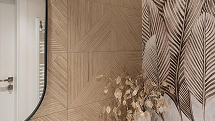
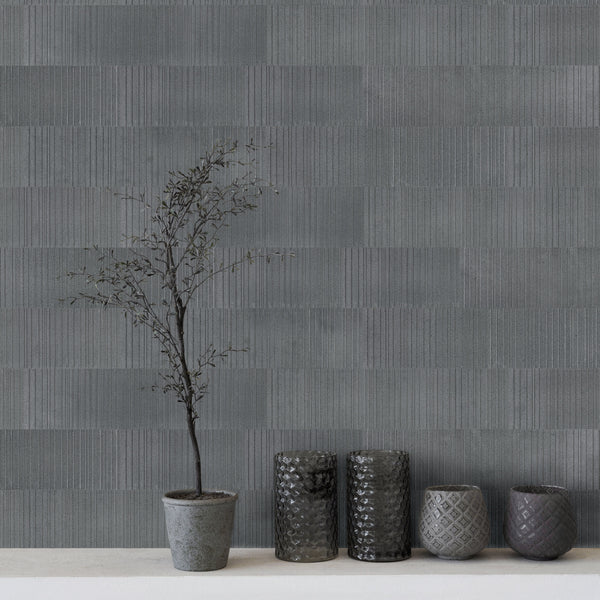
Nuvo Sculptura 12X36 Satin Ceramic 3D Decorative Panel from our Nuvo series
A properly installed tile shower can last 40 to 80 years or more, far longer than any prefabricated acrylic or fiberglass unit. Porcelain and ceramic tile are durable enough to outlast most renovations. The components that need periodic attention are the grout (8 to 15 years) and the caulk (1 to 3 years), not the tile itself.
Quick Answer
Ceramic and porcelain tile showers last 40–80+ years with proper installation and routine maintenance. Grout lasts 8–15 years and should be sealed annually in wet areas. Caulk should be replaced every 1–3 years. By comparison, fiberglass and acrylic showers typically last 10–15 years. The tile is almost never the first component to fail.
Tile Shower Lifespan by Material
|
Material |
Expected Lifespan |
Maintenance Required |
Common Failure Point |
|
40–80+ years |
Low |
Grout (8–15 yrs), caulk (1–3 yrs) |
|
|
20–50+ years |
Low-moderate |
Grout, caulk, glazed surface wear |
|
|
Natural stone (marble, slate) |
40–50+ years |
High (regular sealing) |
Staining, etching, sealant failure |
|
20–40 years |
Low-moderate |
Chips, scratches, caulk failure |
|
|
Fiberglass / acrylic (comparison) |
10–15 years |
Low but surface ages |
Yellowing, cracking, staining |

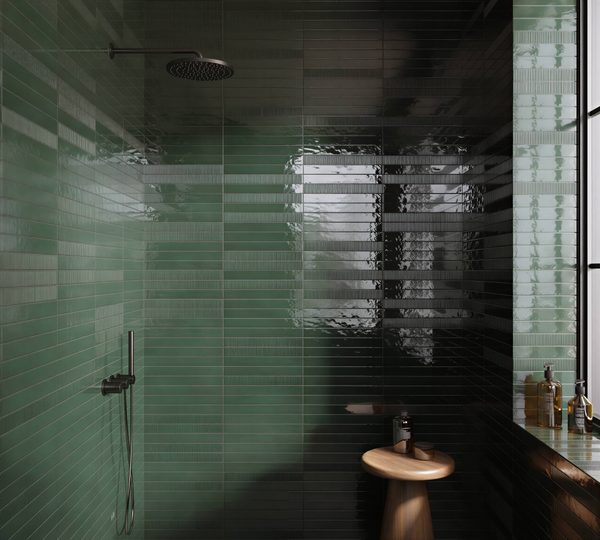
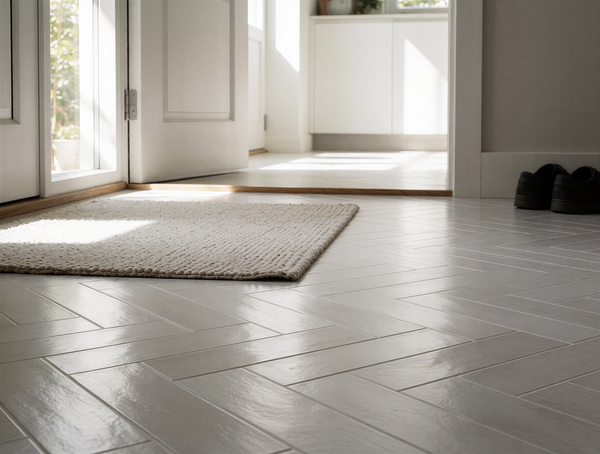
Ferrara Nero 3X6 Honed Marble Subway Tile from our Ferrara series
What Actually Causes a Tile Shower to Fail?
Grout failure
Grout is the most common failure point in any tile shower. Over time, it absorbs moisture, soap, and mineral deposits, leading to discoloration, cracking, and eventually water infiltration behind the tile. Standard cementitious grout typically lasts 8 to 15 years in a daily-use shower. Epoxy grout lasts 20+ years in many cases and is far more resistant to staining and moisture.
Tile size affects how much grout you're maintaining in the first place. A shower floor tiled in small-format penny-round mosaic has far more grout seams than the same floor tiled with fewer, larger pieces, which means more surface area to reseal and inspect over time.

360° Pumice 3/4" Penny Round Matte Glazed Porcelain Mosaic from our 360° series
Caulk deterioration
Silicone caulk seals the joints between tile and fixtures (tub lip, shower base, corners). It flexes with building movement and thermal expansion. Caulk typically needs replacement every 1 to 3 years. Cracked or missing caulk is a primary entry point for water damage behind the tile.
Shower pan liner failure
The waterproof liner beneath the shower floor (typically CPE or PVC) has an average lifespan of 40 to 50 years. When the liner fails, water seeps through the floor structure, often undetected until visible damage appears on the ceiling below. This is a renovation-level repair.
Tile damage
Tiles themselves are the most durable component of a shower. Porcelain and ceramic can last well beyond 50 years without significant degradation. The most common causes of tile replacement are cosmetic (outdated style) or impact damage from dropped objects, not structural failure.
Factors That Affect Tile Shower Lifespan
- Installation quality: The single most important factor. Improper waterproofing or inadequate substrate preparation will cause premature failure regardless of tile quality.
- Grout and caulk maintenance: Resealing grout annually and replacing caulk every 1 to 3 years prevents water infiltration and dramatically extends the shower's lifespan.
- Frequency of use: A primary bathroom shower used twice daily experiences more wear on grout and caulk than a guest bathroom used occasionally.
- Water quality: Hard water deposits minerals on tile and grout surfaces over time. Regular cleaning and water softening systems mitigate this.
- Cleaning habits: Abrasive scrubbers and harsh chemicals degrade grout sealant and glazed tile surfaces. pH-neutral cleaners extend the life of both.
- Ventilation: Adequate ventilation prevents excessive humidity buildup, which accelerates mold growth in grout and caulk.
Grout and Caulk Maintenance Timeline
|
Maintenance Task |
Frequency |
DIY or Professional |
|
Seal grout (shower floor) |
Annually |
DIY possible |
|
Seal grout (shower walls) |
Every 1–2 years |
DIY possible |
|
Replace silicone caulk |
Every 1–3 years |
DIY possible |
|
Professional grout cleaning |
Every 2–3 years |
Professional recommended |
|
Full regrout (shower) |
Every 10–15 years |
Professional recommended |
|
Shower pan liner replacement |
Every 40–50 years |
Professional required |
Signs Your Tile Shower Needs Attention
- Grout lines are cracked, crumbling, or missing in sections
- Caulk is peeling, splitting, or pulling away from the wall or fixture
- Tiles feel hollow when tapped, which indicates adhesive failure or water damage behind the tile
- Persistent musty smell that does not resolve after cleaning, a possible sign of mold behind tiles
- Water staining on the ceiling or walls of the room below the shower
- Grout has darkened significantly and does not respond to cleaning
How to Make Your Tile Shower Last Longer
- Squeegee walls and floor after each use to reduce mineral and soap buildup
- Run the bathroom exhaust fan during and for 15 to 20 minutes after each shower
- Use only pH-neutral cleaners. Avoid bleach and acidic products on natural stone
- Seal grout annually on the shower floor and biannually on walls
- Inspect and replace caulk at the first sign of cracking or separation
- Address any loose or hollow-sounding tiles promptly before water infiltrates the substrate
- Choose large-format tile for walls and floors where you can. Fewer grout lines means less sealing and resealing over the life of the shower

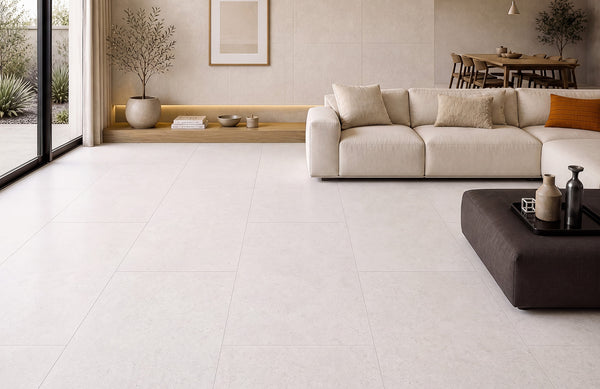
Dorset Vein Cut Tortora 24X48 Matte Porcelain Tile from our Dorset series
Shop Long-Lasting Shower Tile at Tile Mart
For a shower built to last, start with our porcelain tiles or ceramic tiles. Browse our full shower tile collection, bathroom tiles, and subway tiles for classic shower walls, and order samples to evaluate materials before committing to your renovation.
Frequently Asked Questions
How long do tile showers last compared to fiberglass?
Tile showers last 40 to 80+ years compared to 10 to 15 years for fiberglass or acrylic units. While tile requires grout maintenance, the long-term durability and design flexibility make it a far better long-term investment.
How often should shower grout be replaced?
Shower grout typically needs replacement every 10 to 15 years with annual sealing. Without sealing, grout can deteriorate and require replacement in as few as 5 to 8 years. Epoxy grout lasts considerably longer than standard cementitious grout.
Does tile brand or quality affect how long a shower lasts?
Yes. Higher-grade porcelain tiles have lower water absorption rates and are more resistant to impact and wear. Investing in quality tile at installation has a significant impact on long-term performance.
Can a tile shower be repaired without full replacement?
In most cases, yes. Individual cracked tiles can be replaced, grout can be stripped and re-applied, and caulk can be renewed without a full renovation. Full replacement is typically only necessary when the waterproofing layer beneath the tile has been compromised.