




Learn more about Travertine Tiles
What Are Travertine Tiles?
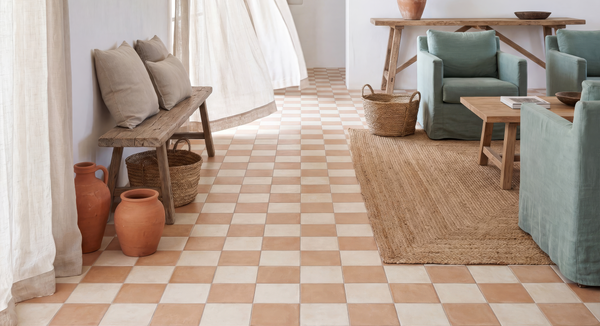
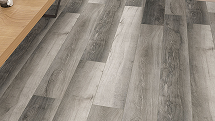
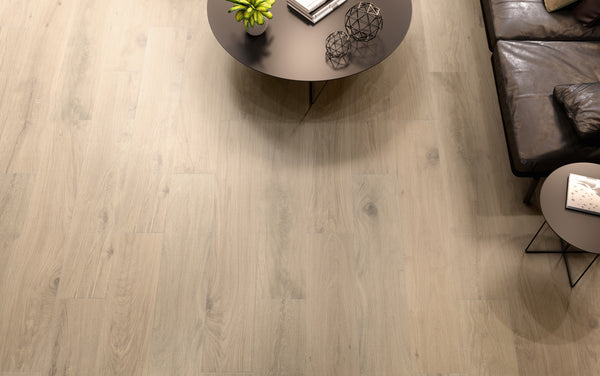
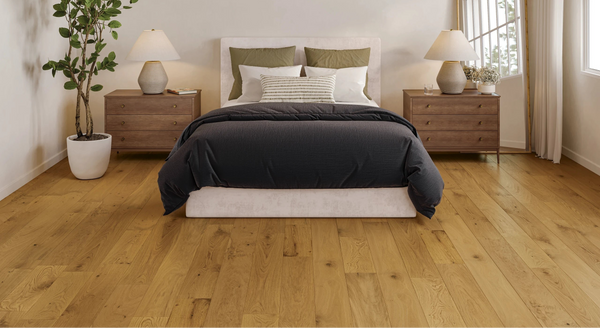
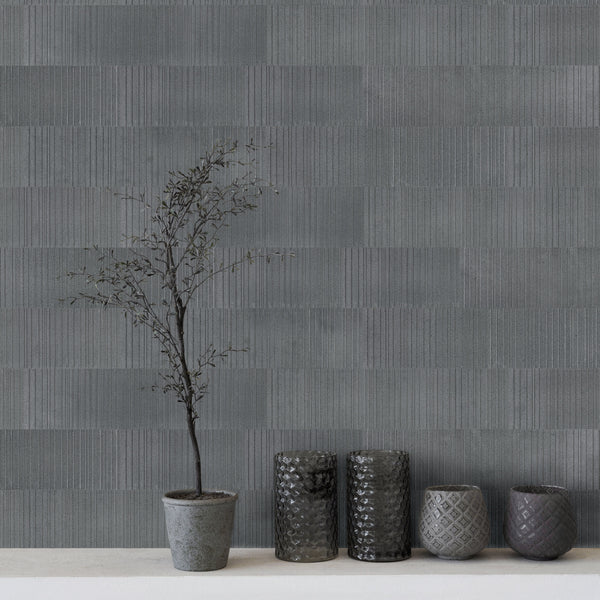
Travertine is a natural limestone formed by mineral deposits from hot springs, known for its warm, cloudy texture and the small surface pits left behind as gas escaped during formation. Colors run from ivory and beige through gold, walnut, and cool silver-grey, which is why it reads as organic and grounded in a room rather than sharp or uniform.
Travertine often gets grouped with marble, but the two look different up close: marble shows bold, dramatic veining, while travertine has a softer, more even texture. If you're drawn to that same natural-stone warmth but want a wider material selection to compare against, our Natural Stone Tiles collection covers marble, limestone, and quartzite alongside it. Travertine's earthy, weathered character is also a natural fit if you're building out a Rustic or Mediterranean room.
Travertine Floor and Wall Tile
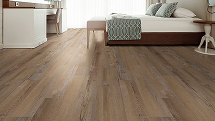
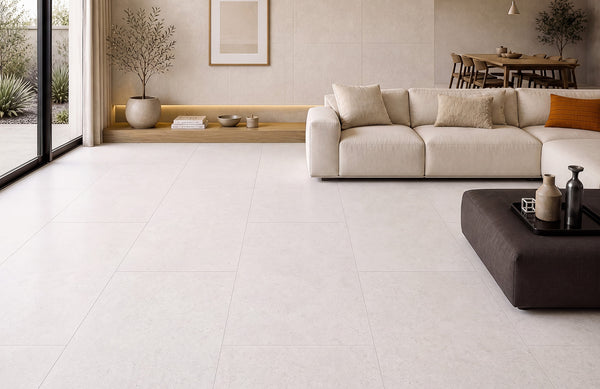
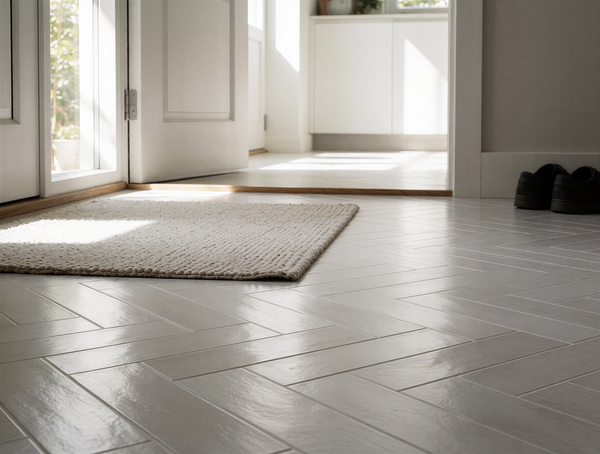
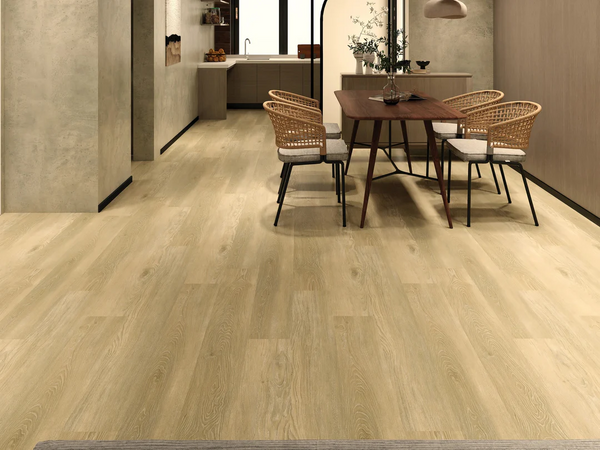
For floors, we carry travertine in filled and honed finishes from 12x12 up through 24x24, plus a 12x24 plank format, all with the stone's natural surface holes filled and ground smooth for an easier-to-clean, more consistent surface. Tumbled travertine, available 4x4 through 18x18, keeps more of that natural pitting and softened edges for a more textured, worn-in look.
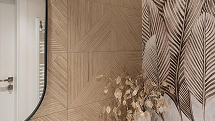
For walls, splitface ledgestone and stacked-veneer formats (our Rockmount blends and Silver Travertine) bring real dimension to an accent wall or fireplace surround, while a 3x6 subway tile in honed or filled and honed finish gives you a cleaner, more traditional wall look. For smaller-scale patterns, our travertine mosaics come in hexagon and herringbone layouts, plus brick and basketweave.
Grout joint width should match the finish: tumbled and splitface pieces have less uniform edges and look best with a wider 3/16" to 1/4" joint, while filled and honed tile, cut more precisely, can go as tight as 1/8".
Travertine Tile by Room
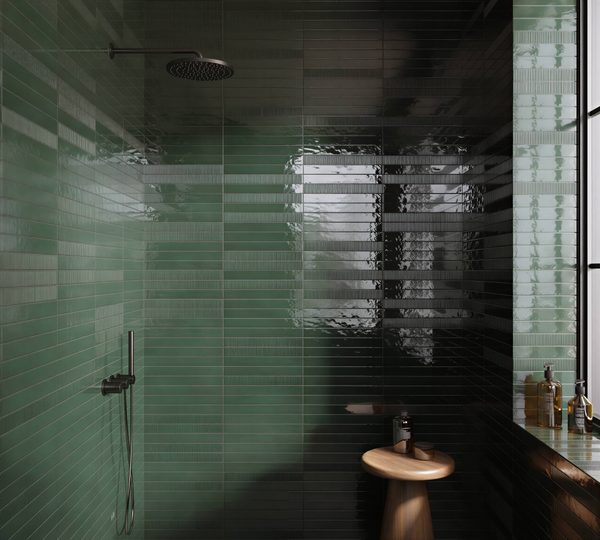
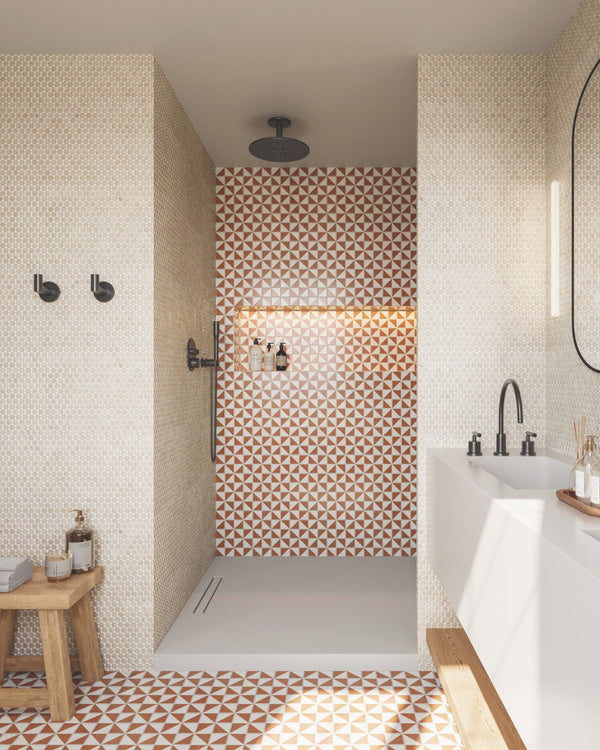
In a bathroom, tumbled or honed travertine on the floor gives you texture and grip underfoot without feeling harsh, paired with a 3x6 subway or hexagon mosaic on the shower walls for contrast. Honed and filled finishes work well outside the wet zone; for the shower pan and floor, lean toward tumbled or splitface for more surface grip.
Outdoors, travertine stays noticeably cooler underfoot than concrete or porcelain pavers in direct sun, which is a big reason it shows up so often on pool decks and patios. Tumbled and splitface finishes hold up well to bare feet and pool splash, and their natural texture adds traction on a wet deck.
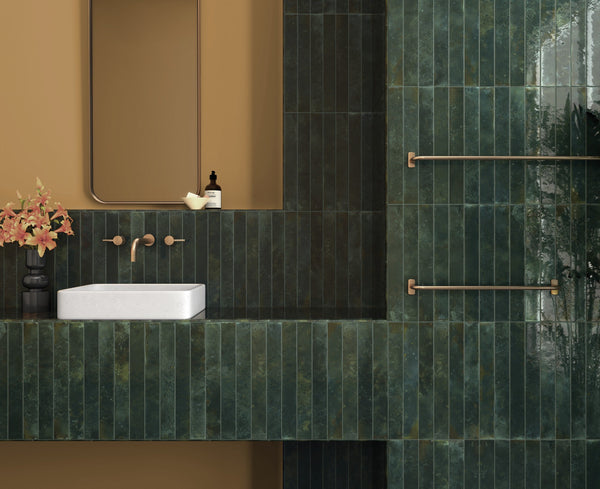
In the kitchen, a travertine mosaic or 3x6 subway makes for a warm, textured backsplash, while filled and honed tile in a larger format keeps the floor easy to sweep and wipe down.
How to Choose Travertine Tile
Match the finish to the room. Filled and honed travertine has a smoother, more uniform surface that's easier to keep clean, which makes it a strong choice for kitchen and living space floors. Tumbled and splitface finishes keep more of the stone's natural pitting, which adds grip and texture in bathrooms, showers, and pool decks.
Seal it before grout, then reseal it on a schedule. Travertine is porous, so we recommend a penetrating stone sealer before installation and again periodically after that. Stick to a pH-neutral stone cleaner day to day. Acidic cleaners like vinegar or citrus-based products can etch the surface over time.
Consider a Versailles pattern for an old-world, random layout. Our Ivory Premium and Valencia lines both come in Versailles sets, which combine four different tile sizes in a repeating pattern instead of one uniform size, a classic look for larger travertine floors.
Use splitface and veneer formats for dimension, not underfoot traffic. Ledgestone and stacked-veneer travertine are built for accent walls, fireplace surrounds, and vertical surfaces where the raised texture reads as a feature, not a floor.
Order a sample before you commit to a full room. Travertine's natural shade movement means one piece can look a little different from the next. Touch the sample to check the finish, view it in your own room's daylight and again under your evening lighting, and set it against your cabinets, countertop, or flooring to see how the tones actually sit together.


