



Education

The best way to clean textured tile floors is to sweep or vacuum first, then run a steam mop or a damp microfiber flat mop over the surface in small sections so the moisture lifts dirt out of the grooves. Textured and rough tile finishes add grip underfoot and visual depth, which is why they show up so often in kitchens, bathrooms, and living areas. That same texture also traps dirt and grime along grout lines and in every crevice, so a smooth wet mop alone tends to push debris around instead of lifting it out.
Once you understand your tile type and match it to the right method, maintenance turns from a chore into a quick weekly routine that keeps the surface fresh. This guide walks through the tools, cleaners, and techniques that work on textured floors, and the common mistakes worth avoiding.

What Is a Textured Tile?
A textured tile is any tile with a surface that is not fully smooth or polished. The raised grain, matte finish, or tumbled edge gives you more grip underfoot, which makes it a common pick for wet areas like bathrooms and kitchens. Textured tiles can also mimic natural materials such as stone or wood while staying easier to maintain. Popular options include:
-
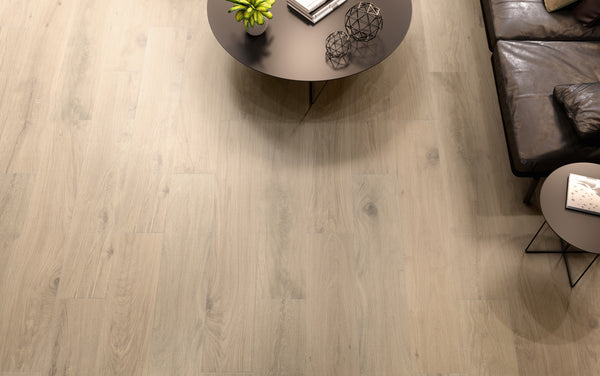
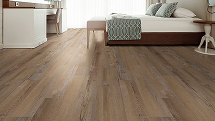
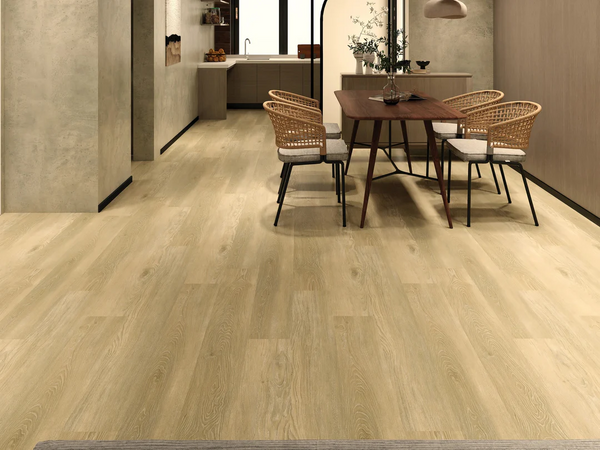
Wood-look tile: Porcelain or ceramic planks with an embossed grain that resembles real timber. Wood-look tiles resist water damage and never need refinishing, so they hold up in high-traffic and damp rooms where hardwood would struggle. -
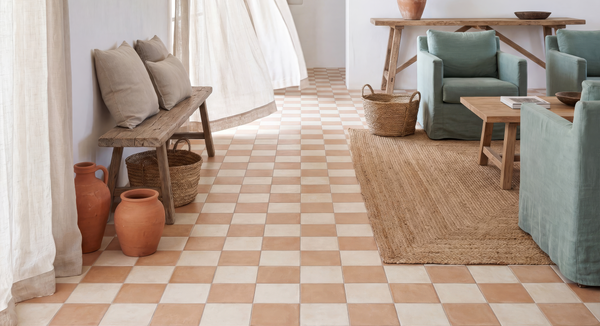
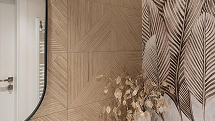
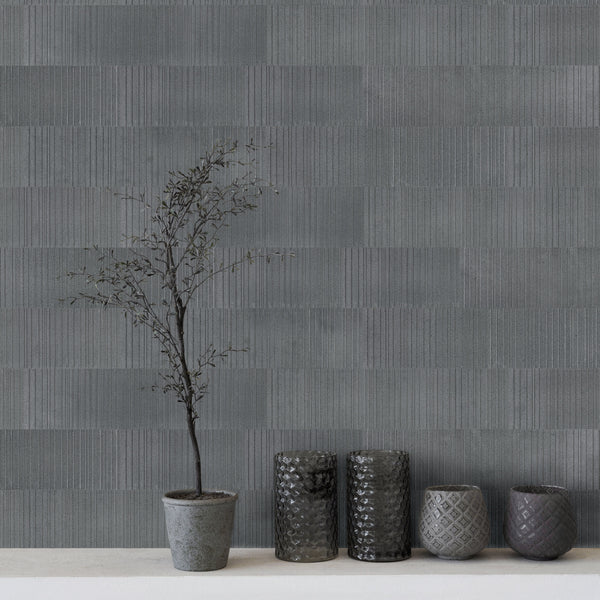
Textured ceramics: These feature varied patterns, shapes, and relief surfaces. They can imitate stone, carry a geometric design, or stand alone as a statement floor. -
Natural stone: Slate, travertine, granite, and marble are common choices. Honed or tumbled finishes give you grip in wet areas and respond well to gentle, chemical-free cleaning.

Are Textured Tiles Hard to Clean?
Textured tiles are not harder to clean, but they do need a different approach than smooth tile. The grip comes from tiny ridges and pores, and those same ridges hold onto dust, soap film, and grime. A flat wet mop skims over the high points and leaves the low points dirty, which is why textured floors can look dull even right after mopping. Steam, a soft brush for the grooves, and a microfiber pad that reaches into the texture handle the job far better than a standard mop and bucket.
Why Steam Cleaning Works
Steam cleaning is one of the most effective, chemical-free ways to clean textured and rough floors. Hot steam loosens dirt and sanitizes the surface at the same time, and it works across porcelain, porcelain, ceramic, natural stone, vinyl, and many sealed surfaces. A steam mop uses very little water, which lowers the risk of streaks or water sitting in grout lines. By lifting grime straight out of the crevices, it cleans without hard scrubbing or leaving residue behind.
What Is the Best Mop for Textured Tile Floors?
For textured and uneven tile floors, a steam mop or a flat microfiber mop works best. Skip cotton string mops and sponge mops, which glide over the ridges and drop dirty water into the grooves. A microfiber flat mop grabs debris from the low spots, and a steam mop pushes moisture deeper into the texture without soaking the floor. For grout lines and heavily textured stone, keep a soft-bristled brush on hand to work the seams the mop head cannot reach. Rotate two or three clean pads through a single mopping so you are lifting dirt away, not spreading it.
Preparing Your Floor
Start by removing loose debris. Sweeping or vacuuming first keeps grit from streaking the floor during cleaning. Fit your mop with a clean microfiber pad, and if the floor is heavily soiled, keep spare pads within reach. Work in sections and move the mop slowly so the moisture or steam has time to penetrate the surface. Avoid letting a steam mop linger in one spot, which protects more delicate finishes.
Deep Cleaning with Natural Solutions
For stubborn grime or grout buildup, a deeper approach helps. Baking soda and vinegar make an effective, low-cost pair. Mix baking soda with a little water into a paste, spread it over grout lines and textured areas, and work it in gently with a soft-bristled brush. Spray a 50-50 mix of white vinegar and water over the paste; the light reaction lifts dirt without harsh chemicals. Rinse thoroughly with clean water and a fresh pad, and repeat until the floor looks even. One note for stone: skip vinegar on natural stone such as marble or travertine, since the acid can etch the surface. Use a pH-neutral stone cleaner or plain steam there instead.
What Is the Best Cleaner for Textured Tile Floors?
For everyday cleaning, a pH-neutral floor cleaner diluted in warm water is the safest choice across ceramic, porcelain, and natural stone. It cuts through soap film and grease without dulling the finish or wearing down grout. For a chemical-free option, plain steam handles most routine dirt, and the baking soda and vinegar method above tackles set-in grout buildup on ceramic and porcelain. Whatever you reach for, avoid strong acids and bleach-heavy formulas: they can discolor grout and etch stone over time.

Tile-Specific Tips
Different tile materials do better with certain cleaning methods:
-
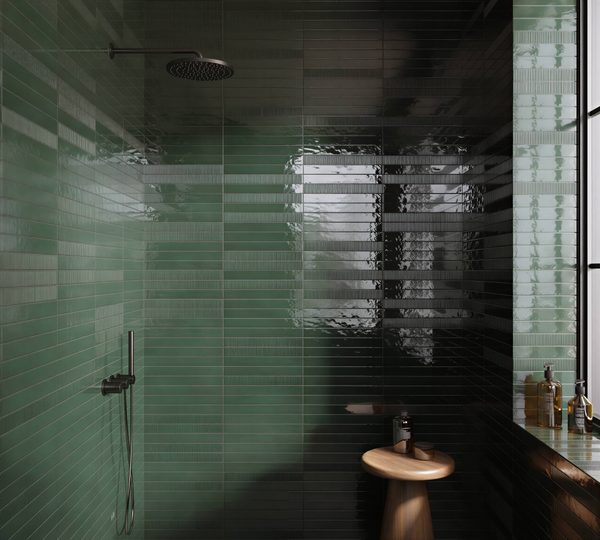
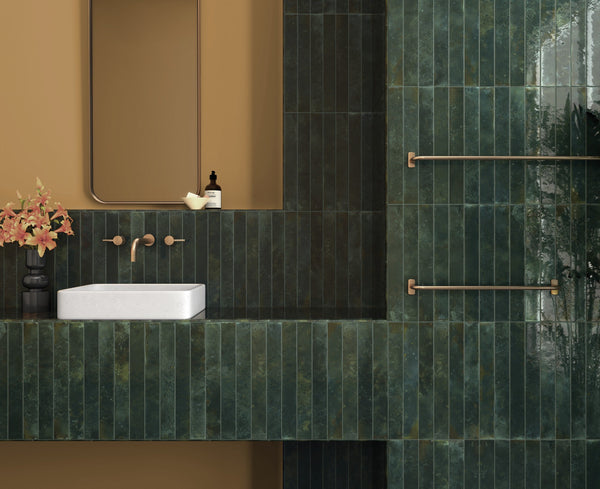
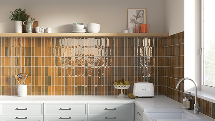
Ceramic: Smooth or lightly textured ceramic handles steam cleaning and gentle scrubbing well. If you have ceramic subway tiles on a backsplash or accent wall, clean carefully around the grout lines where film builds up. -
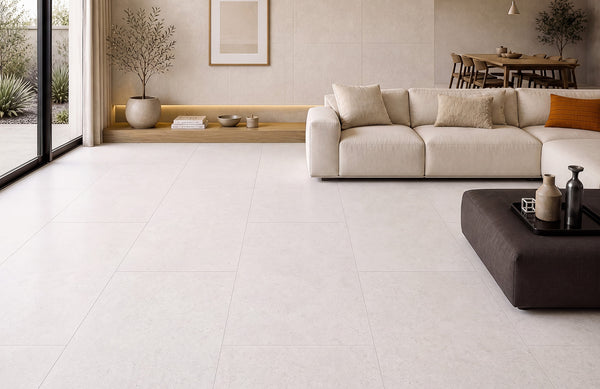
Porcelain: Durable porcelain resists stains and holds up to steam, which makes it a strong fit for high-traffic and commercial spaces. -
Natural stone: Tumbled and honed finishes give you grip, but avoid strong acids that can etch the surface. Stick to a pH-neutral cleaner or steam. Browse natural stone tiles if you are still choosing a finish.
Maintaining Your Textured Floors
Routine care extends the life of your flooring. Sweep or dry-mop daily to clear dust before it settles into the texture. Steam once a week for a deeper clean, and wipe up spills as they happen. If you want a protective finish, use a compatible sealer sparingly, since excess product traps dirt. Rotating your cleaning tools, such as microfiber pads and brushes, keeps grime from building back up.
Common Mistakes to Avoid When Cleaning Textured Tiles
Textured tiles add depth, style, and grip to your floors, but a few habits can work against them. Avoid these common mistakes to keep the surface looking fresh:
-
Harsh chemicals: Strong cleaners can damage grout or dull the finish on ceramic, porcelain, and natural stone. -
Wet mopping alone: A wet mop on its own spreads dirt instead of lifting it out of grooves and rough surfaces. -
Scrubbing too hard: Stiff brushes and abrasive pads can scratch the surface and leave permanent marks. -
Leaving polish or sealant buildup: Excess product traps dirt and mutes the natural look of the tile. -
High-pressure washing: Too much pressure can loosen grout or damage delicate textures. -
Skipping gentle methods: Steam, mild natural solutions, and soft microfiber pads remove grime without harm.
Sticking to these practices protects your textured floors and keeps them looking their best.

Keep Your Textured Tiles Pristine with Tile Mart
At Tile Mart, we help you choose tiles that fit your style and stay easy to maintain. Our team is hands-on and knowledgeable about our tile and stone collections, so we can point you toward finishes that hold up in your space.
Explore our ceramic, porcelain, and natural stone options to find flooring that looks great and stays simple to care for.