


Education

A kitchen backsplash does more than protect your walls. It ties the room together and adds personality. With so many materials, colors, and patterns out there, figuring out how to choose tile for your kitchen backsplash can feel like a lot. But breaking it down into small steps makes the whole process easier.
Quick Summary
A successful kitchen backsplash complements the room's overall design while standing up to daily exposure from moisture, grease, and food preparation. Material, color, layout, grout selection, and maintenance requirements all influence the final result. Choosing a backsplash that works with existing cabinets, countertops, and flooring creates a cohesive look while providing lasting value and easy upkeep.
At Tile Mart, our backsplash tiles range from classic ceramics to bold glass and natural stone. No matter your style, a few key questions can point you toward the right pick. Let us walk through them one by one.
Start with Your Kitchen's Style
Before looking at tile samples, step back and look at your kitchen as a whole. What feeling do you want the room to have? Warm and cozy? Bright and clean? Sleek and modern?
Your backsplash should work with the cabinets, counters, and flooring, not fight them. A busy granite countertop calls for a quieter backsplash. Plain white cabinets leave room for a bolder tile choice. Think of the backsplash as the finishing touch that pulls everything together.
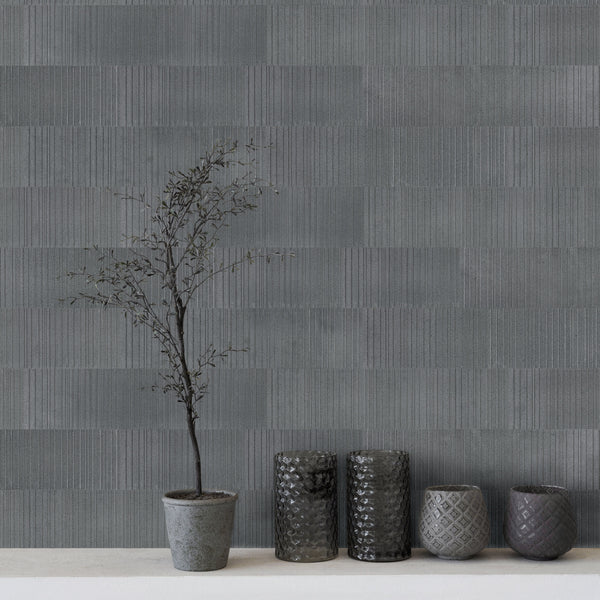
If your kitchen leans traditional, consider softer textures and earthy tones. For a modern kitchen, clean lines and larger format tiles tend to work well. A farmhouse kitchen pairs nicely with handmade-looking pieces or classic subway layouts.
Pick The Right Material
The material you pick shapes the look, feel, and upkeep of your backsplash. Here are the most common options and what makes each one a good fit.
Ceramic
Ceramic is a top pick for many kitchens. It is budget-friendly, easy to clean, and comes in a huge range of colors and shapes. Glazed ceramic resists stains and moisture, which is exactly what a backsplash needs. It is also simple to cut and install, making it a smart choice for DIY projects.
Porcelain
Porcelain is denser and less porous than ceramic. It holds up well against heat and moisture. If you cook often and want something tough but still stylish, porcelain fits the bill. It can also mimic the look of natural stone or wood without the extra care those materials need.
Glass
Glass tiles reflect light and make small kitchens feel bigger and brighter. They do not absorb stains or odors and wipe clean with ease. Glass works well as an accent or covering the whole backsplash area. Keep in mind that glass can show fingerprints and water spots more than matte surfaces, so a satin or frosted finish may be easier to live with.

Bold Glass Green 3" Hexagon Glossy Mosaic — browse the Bold Glass collection
Natural Stone
Natural stone brings a one-of-a-kind, organic look to a kitchen. Marble, travertine, and slate each have distinct veining and texture. Stone does need sealing to block stains and moisture. If you love the character that natural materials bring and do not mind a little extra care, stone can make a striking backsplash.
Metal
Metal tiles, like stainless steel or tin, give an industrial or modern edge. They stand up to heat well and are very easy to clean. Metal works best in contemporary spaces or as an accent strip paired with other materials.
Choose Colors That Work with The Room
Color sets the tone. A neutral backsplash in white, cream, gray, or beige stays timeless and lets you change other decor over the years without worry. These shades also help smaller kitchens feel open and airy.
If you want more personality, try a color that pulls from your cabinets, counters, or even a favorite piece of art in the room. Soft blues and greens add a calm, fresh feel. Deep navy or charcoal makes a bold statement without being too loud.
A good rule of thumb is to stick to three main colors in the kitchen. If your cabinets and counters already give you two, let the backsplash be the third. That keeps the room feeling balanced and not too busy.
Size, Shape, And Layout
Tile size and layout change the whole look of a backsplash. Here are some popular options to think about.
Subway Tile
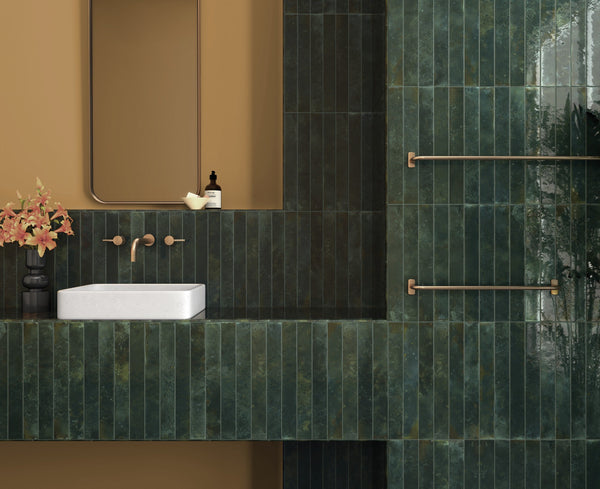
Classic 3x6 subway tiles work in almost any kitchen. A staggered brick pattern is timeless, while a stacked vertical layout gives the same tile a fresh, modern twist. Subway tiles are budget-friendly and easy to find in many colors and finishes.
Large Format
Large format tiles mean fewer grout lines, which creates a clean, seamless look. Planks or big squares can make a small kitchen feel larger. Large format pieces also make cleaning faster since there are fewer seams where dirt can hide.
Mosaics
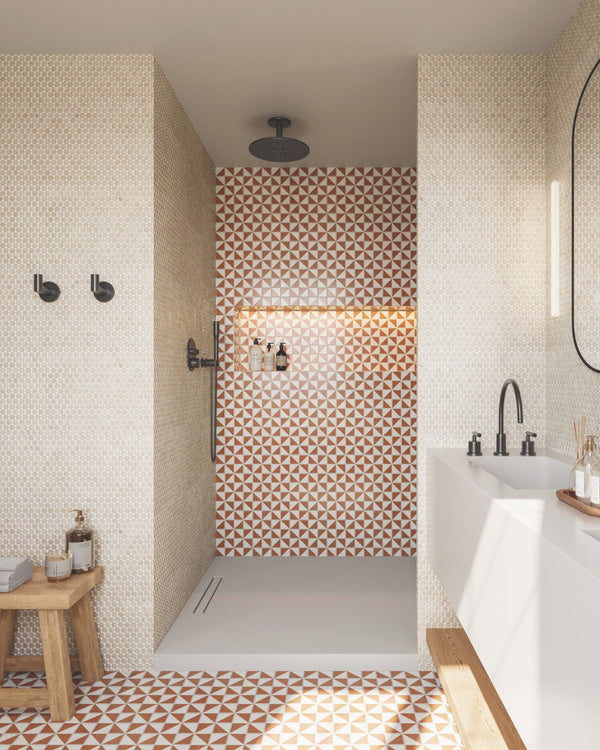
Mosaic sheets come in small squares, hexagons, arabesque shapes, and more. They add texture and detail to a backsplash. Mosaics work well as a full backsplash or as a decorative strip set into a plainer field of tile.
Vertical Stacks and Herringbone
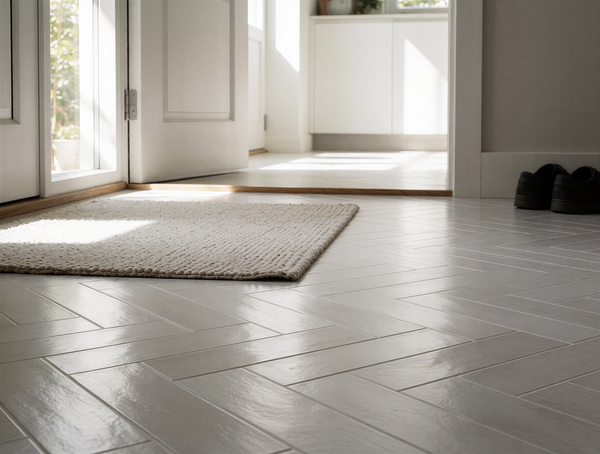
A vertical stack feels current and draws the eye upward, which can make ceilings feel higher. Herringbone or chevron layouts add movement and a sense of craftsmanship. These patterns take more time and skill to install, so factor that into your timeline and budget.

Modern Glass Dark Grey 1X6 Herringbone Glossy Mosaic — browse the Modern Glass collection
Grout Matters More Than You Think
Grout is easy to overlook, but it makes a big difference in the finished look and how easy the backsplash is to keep clean.
Color
Matching grout blends into the tile for a smooth, subtle look. Contrasting grout makes each tile stand out and highlights the pattern. Light grout on a white backsplash looks clean but may show stains over time. Darker grout hides discoloration better, especially behind a cooktop where splashes happen.
Width
Thin grout lines give a sleek, modern feel. Wider lines feel more rustic or handmade. If you choose textured or irregular tiles, a slightly wider grout line helps the pieces settle in nicely.
Sealing
Cement-based grout needs sealing to resist stains and moisture. Epoxy grout costs more but resists stains from the start and does not need sealing. For a busy kitchen, epoxy grout can be worth the extra cost.
Think About Upkeep and Cleaning
A backsplash sits behind the stove, sink, and prep areas. It will face splashes, steam, and the occasional sauce splatter. Pick a material that fits how much time you want to spend cleaning.
Glazed ceramic and glass wipe down fast with a damp cloth and mild cleaner. Natural stone needs gentle, pH-neutral cleaners to avoid damaging the surface.
At Tile Mart, we always suggest thinking about your daily routine before settling on a material. If quick wipe-downs matter most, smooth, glazed surfaces are the way to go. If you love the look of textured or matte finishes and do not mind an extra minute of care, those can work beautifully too.
Bring Samples Home
Looking at tiles online is a great first step, but a physical sample in your own kitchen fills in the rest of the picture, mainly how the color and finish behave under your specific lighting. A tile that looks warm under store lights may read cool next to your windows, and a subtle shade in the morning can look bolder by evening under your kitchen lights.
Grab a few sample pieces and tape them up behind your sink or stove. Look at them in the morning, afternoon, and evening light. Place them next to your countertop, cabinet doors, and flooring. This small step can stop big regrets later.
Set A Budget and Plan Ahead
Kitchen backsplash tile comes in a wide price range. Ceramic and basic subway tile sit at the lower end. Handmade tile, natural stone, and custom mosaics cost more. On top of materials, budget for grout, adhesive, trim pieces, and tools if you plan to do the work yourself.
Order extra tile. A good rule is to add 10 to 15 percent more than your measured square footage. This covers cuts, breakage, and future repairs. Having spare tiles from the same batch saves you from color-matching headaches down the road.
Taking time to compare options now leads to a backsplash you will enjoy for years.
FAQs
What is the easiest backsplash tile to keep clean?
Glazed ceramic and glass tiles are the easiest. Their smooth, non-porous surfaces wipe clean with a damp cloth and mild cleaner. Grout lines benefit from sealing once a year to resist stains.
Should the backsplash match the countertop or the cabinets?
It does not need to match either exactly. Instead, aim for colors and tones that look good with both. Pulling one accent color from the countertop into the backsplash can tie the room together nicely.
Can I install a backsplash over existing tile?
In some cases, yes. The old tile must be firmly attached, clean, and flat. A bonding primer helps the new adhesive stick. Check with a pro if you are unsure about your specific situation.
How high should a kitchen backsplash go?
Most backsplashes cover the space between the counter and the upper cabinets, usually 15 to 18 inches. Behind a range, extending the tile all the way to the hood or ceiling adds impact and protects the wall from heat and splashes.