


Education

When designing or remodeling a space, few decisions are as foundational as choosing the right surface material. Whether you are selecting flooring for a kitchen or tiles for a bathroom, that choice shapes the appearance, durability, and upkeep of the room for years. Both ceramic tile and marble bring distinct strengths, and the right pick comes down to your style, your budget, and how the space is actually used.
The short answer: Choose ceramic or porcelain tile when you want easy care, water resistance, and a lower total cost, especially in busy or wet rooms. Choose marble when a natural, one-of-a-kind statement matters more than low maintenance. Prefer the marble look without the upkeep? Tile Mart carries hundreds of marble-look tiles that deliver the veining without the sealing.
| Factor | Ceramic & Porcelain Tile | Marble |
|---|---|---|
| Material | Fired clay, engineered for consistency | Natural stone, unique veining |
| Durability | Hard, scratch resistant, family friendly | Softer, can etch and scratch |
| Water resistance | Low absorption, well suited to wet rooms | Porous, needs sealing |
| Maintenance | Wipe clean, no sealing | Regular sealing and gentle cleaners |
| Cost | More budget friendly, easier install | Premium price and labor |
| Best for | Kitchens, baths, high traffic | Powder rooms, statement spaces |
Composition and Origin: Natural vs. Manufactured
To understand the key distinctions, start with what each material is. Marble is a natural stone, formed over thousands of years through intense heat and pressure. Quarried and cut into slabs or tiles, marble is prized for its veining and rich, organic character. Each piece is one of a kind, which adds a luxurious, timeless quality to any surface it covers.
Ceramic tile, by contrast, is made by shaping and firing natural clay at high temperatures, then usually glazing it for color and finish. Because it is engineered rather than mined, ceramic is more uniform than marble and comes in a far broader palette of colors, textures, and patterns. That predictability makes it ideal for homeowners who want consistent color matching across a room.
This split between natural and manufactured sets the stage for the differences in durability, water resistance, and everyday performance below.

Durability and Daily Wear
For day-to-day resilience, ceramic tile holds up well under regular household activity. It resists scratching and general wear, especially when properly glazed, which makes it a practical choice for families, pet owners, and anyone who wants a low-maintenance floor or wall. Even in high-traffic hallways, kitchens, and entryways, it keeps its look over time.
Marble, while hard, is more porous and softer than ceramic. That makes it more prone to etching and scratching, particularly around acidic substances like lemon juice, vinegar, or certain cleaners, and more likely to stain if spills sit. Over time the surface can develop a patina, which some love for its character and others see as wear, depending on taste.
If easy care is a priority, ceramic and porcelain tend to have the edge. Browse the full range of ceramic tiles to see finishes built for real, everyday use.
Not sure how a tile feels in your space? Order samples before you commit and see the color and texture in your own light.
Start Your Sample OrderWater Resistance and Bathroom Suitability
One of the most common questions in the ceramic tile vs marble debate is how each performs in wet spaces like bathrooms, showers, and kitchens. Both can be used in moisture-prone areas, but their water absorption differs in ways worth knowing.
Glazed ceramic tile has a low water absorption rate, which helps it stand up well to moisture, mold, and mildew. That makes it a comfortable fit for backsplashes, bathroom walls, and shower floors when installed with proper grout and waterproofing.
Marble is more porous and can absorb water unless it is well sealed and maintained. Without that care, moisture can work into the surface over time. Natural marble on bathroom counters or floors calls for the same ongoing attention.
For wet rooms, porcelain tile (a dense type of ceramic) often offers the best of both worlds: low water absorption with strong design range, and less of the moisture sensitivity that comes with marble.

Aesthetic Differences and Design Versatility
Marble has long been admired for its natural elegance. Its veining, subtle color shifts, and polished finishes create a high-end look that is hard to replicate. No two tiles are exactly alike, which lends authenticity to foyers, primary bathrooms, and upscale kitchens.
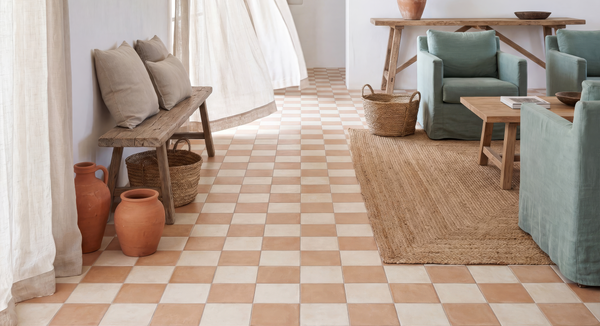
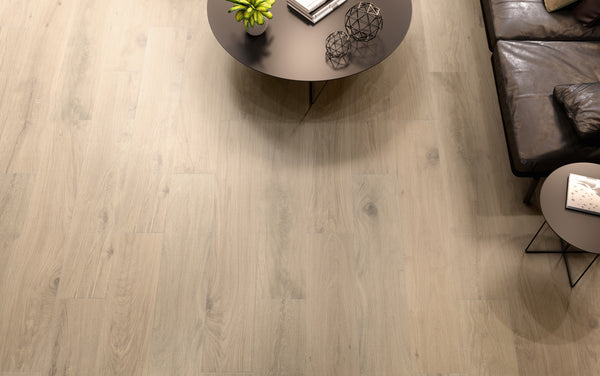
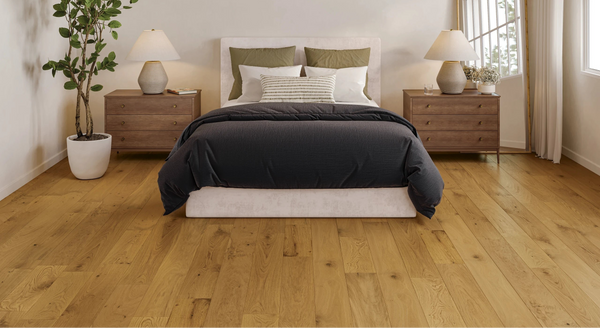
Ceramic tile, though manufactured, has become remarkably versatile. Thanks to advances in digital printing and texturing, ceramic and porcelain can convincingly echo marble, stone, wood, and more. That gives you flexibility to hit a specific palette or style, from minimalist modern to rustic farmhouse to classic Mediterranean.
Drawn to marble but unsure about the cost or upkeep? Our marble-look tiles capture the veining and depth of natural stone with the easy care of porcelain.

Cost Comparison and Installation
Cost is another major factor, and not just the price of the material. Ceramic tile is generally more affordable per square foot than marble. It is also easier to work with thanks to its lighter weight and uniform shape, which can reduce labor during installation.
Marble is heavier and more delicate to cut and set, so it usually calls for more skilled labor and a longer install. Installers account for variations in thickness, veining, and brittleness. Periodic resealing and specialized cleaning add to the long-term cost as well.
On a tighter renovation budget, ceramic and porcelain deliver strong design impact for less. If you are building a true showpiece where uniqueness is the goal, genuine marble may be worth the investment.

Maintenance Demands and Longevity
Both materials reward good care, but the effort differs a lot. Glazed ceramic is easy to clean and does not require sealing. Spills wipe up with a damp cloth, and a gentle detergent keeps it looking fresh. Its finish shrugs off most stains and does not harbor bacteria or allergens.
Marble asks for more. Sealing helps keep moisture and oils from working into the surface, and acidic substances like wine or citrus can leave marks on untreated stone. Even sealed, it benefits from careful cleaning and ages over time.
If low-maintenance living is the goal, ceramic and porcelain make life easier, giving you a surface that handles daily use without constant upkeep.
Environmental Considerations
If sustainability guides your choices, both materials have a reasonable story. Ceramic tiles are made from abundant natural clay and fired in kilns, which uses energy, though many manufacturers now add recycled content and use more efficient production.
Marble is a natural resource, but quarrying and long shipping routes can be energy intensive. Because marble lasts so long and rarely needs replacing, its footprint can even out over the years.
Ceramic tiles with recycled content or eco-certifications may be the more conscious pick, and you can also research a marble's origin to favor responsibly run quarries.
Which One Works Best for Different Spaces?
The ideal choice depends on where the tile goes and what it needs to do. In high-moisture or high-traffic rooms like kitchens, kids' bathrooms, and mudrooms, ceramic and porcelain shine on both practicality and looks. They are also great for accent walls, fireplace surrounds, and any spot where you want an eye-catching design without much upkeep.
Marble is best saved for low-traffic, statement spaces: powder rooms, primary bathrooms, decorative entryways, or dining rooms where the look leads. It brings real grandeur, with the trade-off of careful maintenance.
Often the deciding factor is simply how much upkeep you want to take on. For a low-fuss guest bath, ceramic or porcelain tile is the sensible pick. For a spa-like primary suite, natural marble can deliver unmatched elegance.

Our Recommendation for Your Home
In the end, the question is less about which material is better and more about which is better for you. If you value easy care, affordability, and versatile design, ceramic and porcelain tile offer an excellent balance of performance and style. If you want a dramatic, naturally varied statement and are willing to give it a little extra care, marble may be the standout your space deserves.
Think not just about how the tile looks, but how it fits your lifestyle and the way you actually use the room.
Your Tile Journey Starts with Tile Mart
At Tile Mart, we have helped countless homeowners, designers, and contractors make confident tile choices for every room and renovation. With flat-rate shipping, an expansive inventory, and a flexible Sample Program, it is easy to experience the look and feel of each material before you commit.
Whether you are after timeless elegance or modern practicality, we are here to help you find the right fit for your home.
Ready to start? Explore the options:
Shop Ceramic Tiles Shop Porcelain Tiles Shop Marble Tiles Order Samples