




Education

Quick Summary
Small entryways benefit most from tile choices that balance durability with visual appeal. Porcelain and ceramic tiles provide long-lasting performance in high-traffic areas, while thoughtful layouts, light colors, and strategic patterns help compact spaces feel larger and more inviting. The right tile can improve functionality, simplify maintenance, and create a welcoming first impression that complements the rest of the home.
An entryway works hard. It catches dirt, rain, shoes, and bags every single day. In a small home, this space also needs to feel open and inviting rather than cramped. The right small entryway tile floor ideas balance both needs at once.
At Tile Mart, our floor tile collection includes plenty of options that bring style and strength to compact entry spaces. From bold patterns to light neutrals, here are eight ideas to help you make the most of your entryway floor.
1. Choose Durable Porcelain Or Ceramic
An entryway floor takes more abuse than almost any other surface in the home. Wet shoes, grit, and heavy foot traffic wear down weaker materials fast. Porcelain and ceramic tile stand up to all of it.
Porcelain is denser and less porous than standard ceramic, making it a top pick for entryways in wet or cold climates. Glazed ceramic offers strong stain resistance and comes in a wide range of colors and patterns. Both clean up easily with a quick sweep and mop.
At Tile Mart, we suggest looking at the durability rating before picking a tile. Choose a PEI rating of 3 or higher for entryway floors. This helps the surface handle daily wear without showing early signs of damage.
2. Use A Patterned Tile For Instant Character
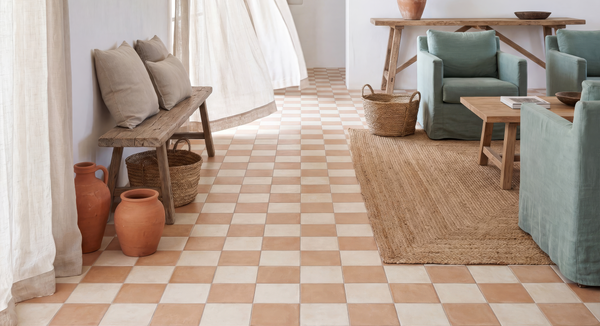
A small entryway gives you a chance to take a design risk without committing to a large area. Patterned tile, like encaustic-look or geometric designs, turns a plain floor into a focal point.
Bold patterns work well here because the square footage is limited. The pattern adds personality the moment someone walks through the door without overwhelming the rest of the home. Pair a patterned floor with simple walls and minimal decor to let the tile do the talking.

3. Go With Large Format Tiles For A Seamless Look
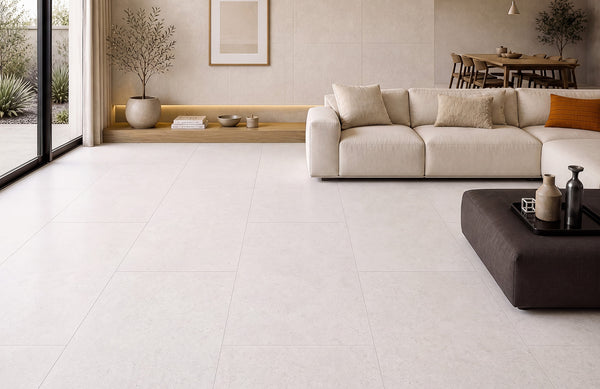
Fewer grout lines create a smoother, more open look. In a small entryway, large format tiles reduce visual clutter and make the floor feel like one continuous surface.
A 12x24 or even 24x48 tile works well in compact spaces. Oversized tiles in a tiny entryway can look surprisingly elegant and make the space feel bigger than it is. Stick with light or mid-tone colors for the most expansive effect.

4. Lay Tile On The Diagonal
The same tile can feel completely different depending on how you lay it. A diagonal layout draws the eye toward the corners of the room, which makes a narrow entryway feel wider.
This trick works with both square and rectangular tiles. The angled lines create movement and break up the boxy feel of a small rectangular space. The extra cutting during installation adds a little to the labor cost, but the visual payoff is worth it.
5. Try A Herringbone Or Chevron Pattern
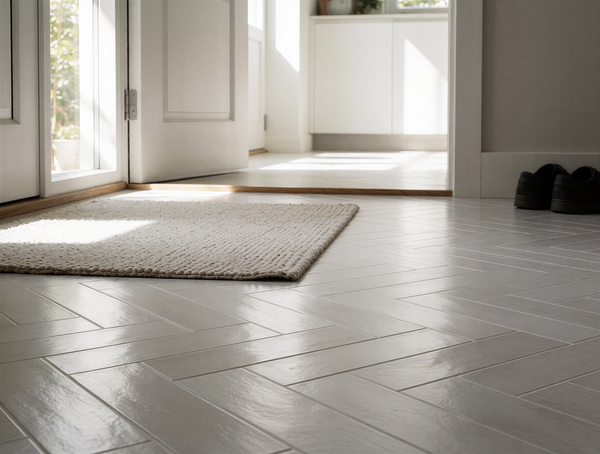
Herringbone and chevron layouts add texture and direction to a floor. The zigzag pattern pulls the eye forward and gives a small entryway a sense of motion.
A herringbone mosaic as a feature strip or full floor takes more planning and skill to install but creates a custom, high-end result. A herringbone layout also hides scuffs and light dirt better than a straight plank layout.

Compare Entryway-Ready Tile
Browse Tile Mart's floor tile collection and small format tiles to compare size, finish, and pattern before you commit.
6. Pick Light Colors To Open Up The Space
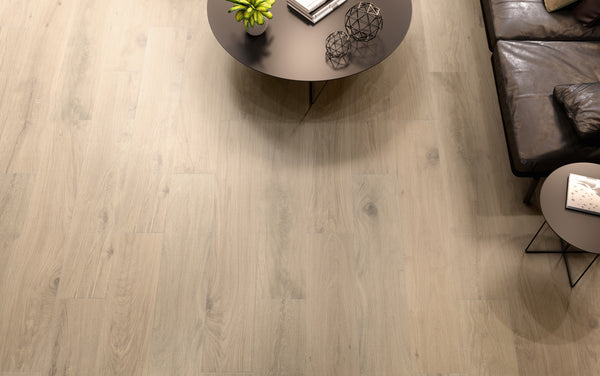
Dark floors can make a small room feel closed in. Light colors reflect more light and make the entryway feel bigger and brighter. Soft grays, warm beiges, creamy whites, and light wood-look tile tones all work well.
If your entryway lacks natural light, a light floor becomes even more important. It bounces whatever light is available around the room. A light tile with subtle veining or a gentle texture adds interest without darkening the space.

7. Match Grout Color To The Tile
Grout color might seem like a small detail, but it changes how the floor reads. Matching grout blends into the tile and creates a seamless surface that feels larger.
High-contrast grout emphasizes each tile and creates a grid effect. That grid can make a small entryway feel busy. For a calm, open look, keep the grout color close to the tile color and the grout lines thin. Epoxy grout is a smart choice for entryways since it resists stains and moisture.
8. Create A Defined Drop Zone With Tile
In an open-concept home, a tile entryway can define the space without walls. A tiled area just inside the door creates a clear drop zone for shoes, bags, and coats.
Use a tile that contrasts slightly with the adjoining floor to mark the transition. Even in a fully open layout, this visual cue says this is the entry. It keeps dirt contained and gives the space purpose. A darker tile or a patterned insert works well here.

Practical Tips For Small Entryway Tile
Textured or matte finish tiles offer more grip when shoes are wet. This is a key safety point for entryways in rainy or snowy areas. Look for a slip-resistance rating of 0.42 or higher.
Area rugs and runners add warmth and protect the tile from grit. Choose a rug with a non-slip backing. Shake it out or vacuum it often to keep dirt from grinding into the tile surface.
Good underlayment matters. A solid, level subfloor stops tiles from cracking under heavy foot traffic. Do not skip this step during installation.
A small entryway can still make a big impression. The right tile brings together style and function in a way that welcomes guests and stands up to daily life. Light colors open the space. Patterns add personality. Durable materials like ceramic and porcelain keep things practical.
Pick the idea that fits your home and your routine. With thoughtful choices, your entryway can become one of the hardest-working and best-looking spaces in your home.
Ready to Tile Your Entryway?
Compare durable, entryway-ready styles and order a few favorites as samples before you buy.
FAQs
What is the best tile material for a small entryway?
Porcelain and glazed ceramic are top choices. Both resist moisture, handle heavy foot traffic, and clean up easily. Porcelain is denser and works well in cold or wet climates.
Can I use large tiles in a very small entryway?
Yes. Large format tiles reduce grout lines and make the space feel less busy. A 12x24 or 24x48 tile can look elegant and open in a compact entryway.
How do I keep an entryway tile floor clean?
Sweep or vacuum often to remove grit that can scratch the surface. Mop with a mild cleaner as needed. Place a doormat outside and a rug inside to catch dirt before it hits the tile.
Should entryway tile match the rest of the flooring?
It does not have to match exactly. A complementary color or a slightly different pattern can define the entryway as its own zone. Just make sure the two floors look intentional together.