


Popular Ways to Shop


Learn more about Rustic Tiles
Your Guide to Rustic Tiles
Rustic tiles are defined by surface variation: uneven texture, hand-pressed edges, natural color movement, and finishes that look worn or weathered rather than machine-perfect. The style draws from natural materials like stone, slate, and aged wood, and from ceramic traditions where slight irregularities in the clay and glaze were part of the process rather than a defect to correct.
The result is a tile that looks like it belongs in a space that has been lived in. Rustic tile works well in rooms where warmth and character matter more than precision and uniformity. It pairs naturally with wood, brick, wrought iron, and other materials that also show natural variation.
Farmhouse tiles sit within the rustic category but stay closer to a clean, country aesthetic. If your project leans more toward worn European stone or raw slate, the broader rustic collection gives you more range.
Rustic Floor and Wall Tile
Floor Tile
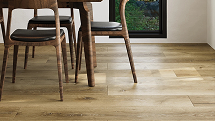
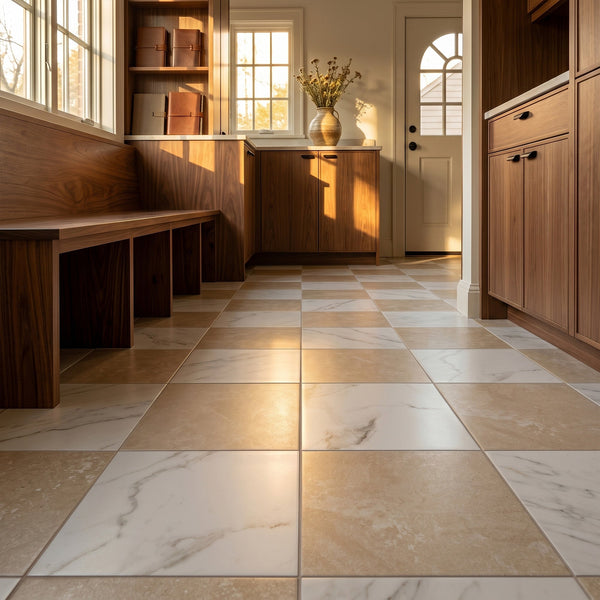
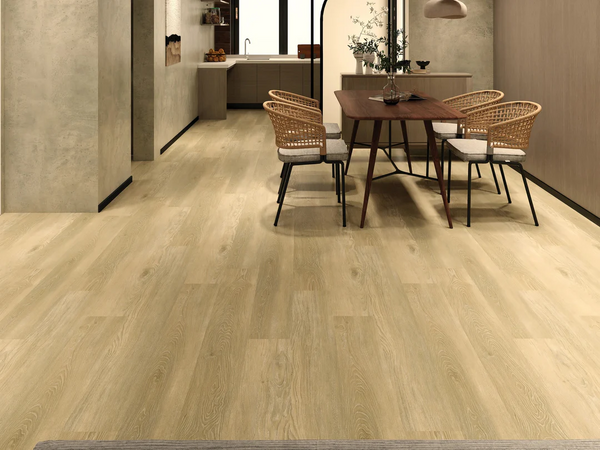
For floor tiles, rustic style favors formats that reflect how natural stone floors were traditionally laid: irregular shapes, varied surface texture, and grout joints wide enough to accommodate the natural size differences between pieces. A 12x24 or 18x18 porcelain tile in a slate or stone look is a practical choice because it delivers the visual character of natural stone with better durability and less maintenance. Matte and textured finishes handle foot traffic well and are less likely to show scuffs.
For a more authentic look, natural stone tiles in slate, travertine, or limestone bring real material variation that porcelain approximates but cannot fully replicate. Natural stone requires sealing and more careful maintenance, but the surface character is distinct.
Wall Tile
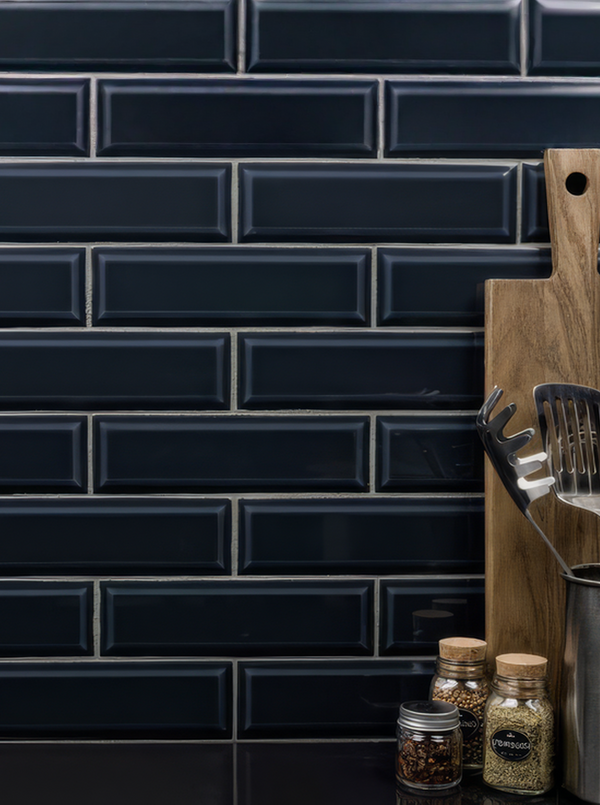
On wall tiles, rustic design favors handmade-look ceramic tiles with slightly uneven edges and glaze variation, elongated subway formats with a crackled or matte glaze, and textured stone-look porcelain for feature walls. Wide grout joints in a contrasting earth tone reinforce the handcrafted look. A tumbled or chiseled edge on the tile also adds to the effect.
Rustic Tile by Room
Kitchen
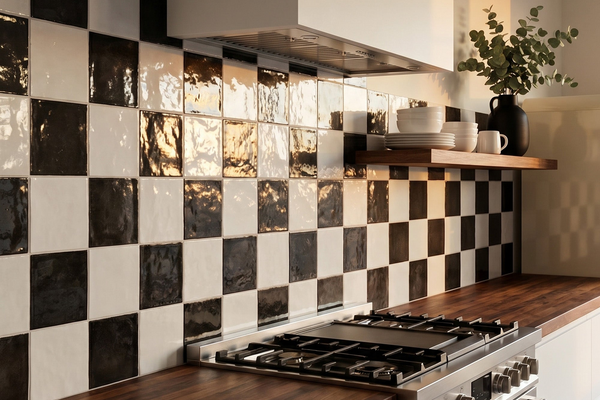
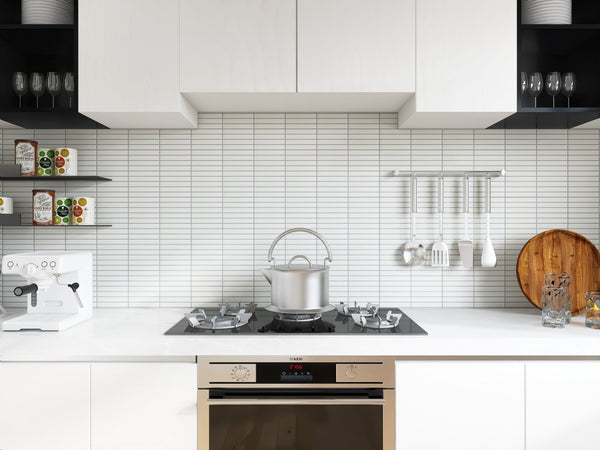
A rustic kitchen backsplash is one of the most common applications for this style. A handmade-look subway tile in off-white or cream with a warm, slightly uneven glaze laid in a brick pattern reads as rustic without being heavy. Behind the range, a full-height panel in a stone-look or textured ceramic makes a strong focal point. On the floor, a matte porcelain in a wood look or stone look handles daily kitchen traffic without showing wear.
Bathroom
In a bathroom, rustic tile works well as a floor treatment. A slate-look or stone-look porcelain on the floor paired with a simpler, lighter tile on the walls keeps the room from feeling heavy. For a more unified look, use the same earthy stone-look tile on both surfaces and choose a wide grout joint in a warm gray or tan.
Fireplace
A fireplace surround is one of the strongest applications for rustic tile. The style fits naturally alongside the rough materials and heavy proportions typical of fireplace design. A stone-look porcelain or natural slate on the surround and hearth, with wide grout joints in a dark earth tone, reads as traditional and substantial. Handmade-look ceramic in a terracotta or deep cream works well for a more cottage-style look.
Backsplash
A rustic backsplash is a low-commitment way to bring the style into a kitchen or bar area. A small mosaic in natural stone or a handmade-look ceramic in an earthy tone covers a limited area but adds significant texture and warmth. Browse mosaics for stone and ceramic options that work well in rustic backsplash applications.
How to Choose Rustic Tile
Embrace surface variation. Rustic tile is meant to look irregular. Slight differences in color, texture, and edge between individual tiles are part of the style, not a quality issue. When reviewing samples, look at several tiles together rather than judging a single piece.
Use wider grout joints. Most rustic tile formats look better with a grout joint of 3/16 inch or wider. A tight joint draws attention to the edges of each tile, which works against the handmade character of the style. A wider joint with a warm earth-tone grout pulls the surface together and reinforces the natural look.
Match the finish to the use. Matte and textured finishes are the standard for rustic tile on floors because they provide grip and hide wear. On walls and fireplace surrounds, you have more flexibility to use a lightly glazed or satin finish that catches light without the slip concern.
Consider maintenance before choosing natural stone. Natural stone delivers the most authentic rustic character, but it requires sealing on installation and periodic resealing over time. Porcelain with a stone or slate look requires no sealing and is more resistant to staining. Both are good options depending on how much maintenance you are willing to do.
-
 Concrete Tiles
 -
 Decorative Tiles
 -
 Zellige Tiles
 -
 Modern Tiles
 -
 Contemporary Tiles
 -
 Traditional Tiles
 -
 Farmhouse Tiles
 -
 Industrial Tiles
 -
 Mediterranean Tiles
 -
 Mid-Century Modern Tiles
 -
 Bohemian Tiles
 -
 Coastal Tiles
 -
 Scandinavian Tiles
 -
 Eclectic Tiles
 -
 Art Deco Tiles
 -
 Minimalist Tiles
 -
 Transitional Tiles
 -
 Encaustic Tiles


