

What’s The Cost For Subway Tile? Here's A Quick Breakdown

When planning a kitchen or bathroom upgrade, one of the most common and impactful design features to consider is a subway tile backsplash. Its classic appeal, easy maintenance, and clean look make it a go-to option for homeowners and designers alike.
If you are comparing material options or evaluating the cost of subway tile backsplash installation, the most helpful place to start is with a clear price range. Most subway tile projects include the tile itself, installation materials, trim, grout, labor, and possible wall preparation. Understanding each cost helps you choose the right tile with more confidence.
Quick Answer: How Much Does Subway Tile Cost?
Subway tile can fit many budgets. Basic ceramic subway tile is usually the most affordable, while porcelain, glass, marble, and specialty finishes cost more. Installation costs depend on the project size, pattern, wall condition, and whether you hire a professional.
| Subway Tile Type | Typical Material Cost | Best For |
|---|---|---|
| Ceramic Subway Tile | Budget-friendly | Kitchen backsplashes, laundry rooms, simple wall updates |
| Porcelain Subway Tile | Mid-range | Bathrooms, shower walls, higher-moisture spaces |
| Glass Subway Tile | Premium | Bright, reflective backsplash designs |
| Marble Subway Tile | Luxury | High-end kitchens and bathrooms |
Ready to compare options? Shop subway tiles or browse subway tiles under $6 to find styles that fit your budget.
Understanding Basic Subway Tile Costs
The foundation of any subway tile project starts with the tile itself. The cost of subway tile varies depending on the material, finish, size, color, and brand. Basic ceramic subway tiles are typically the most affordable option. These work well for budget-friendly renovations, rental updates, laundry rooms, and large-scale wall tile projects.
As you move into more premium materials, porcelain subway tile generally costs more than basic ceramic. Porcelain is denser and less porous than ceramic, making it a practical choice for high-moisture areas or more demanding applications such as shower tile and bathroom walls when the product is rated for that use.

Best Value Pick
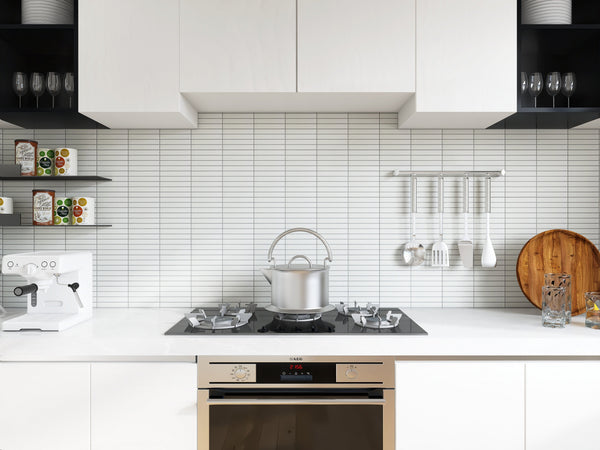
Basics White 3x12 Glossy Ceramic Subway Tile is a strong choice for homeowners who want a bold, modern backsplash without moving into premium stone or glass pricing.
At the high end, glass tiles, marble tiles, and specialty finishes can increase the total project cost. These upscale options bring a distinctive design look and can elevate the room, but they may also require more precision in cutting and installation.
Factoring In Installation Costs
Beyond the tile itself, the cost of installing a subway tile backsplash is a key consideration. If you are hiring a professional tile installer, labor can vary depending on your location, wall condition, layout complexity, and whether surface prep is required. This usually includes adhesive application, tile placement, cutting, grouting, and cleanup.
For a standard backsplash, a simple straight-lay subway tile pattern will usually be more affordable than a specialty layout. More detailed patterns, such as vertical stack, offset, herringbone tile, or basketweave tile, can require more cuts and more installation time.
Example Subway Tile Backsplash Budget
Here is a simple way to think about a 30-square-foot backsplash project:
| Project Item | What It Covers |
|---|---|
| Tile | Main material plus extra for cuts, waste, and future repairs |
| Grout, Adhesive, and Caulk | Installation materials needed to set and finish the backsplash |
| Trim Pieces | Clean finishing for exposed tile edges |
| Labor | Professional measuring, cutting, setting, grouting, and cleanup |
Tip: Order a little extra tile so you are covered for cuts, pattern matching, breakage, and future repairs.
DIY installation can eliminate labor costs entirely, making it appealing for budget-conscious renovators. However, a successful DIY job requires the right tools, a steady hand, and thorough preparation. Even small misalignments can become noticeable with the precise lines of subway tile, so make sure you are comfortable with measuring, spacing, cutting, and grouting before taking it on yourself.
Additional Materials That Affect Pricing
The tile is just the beginning. Every subway tile backsplash project requires additional materials and tools that add to the total cost. These essentials include adhesive or thinset mortar, grout, spacers, caulk, sealant, and potentially trim pieces for exposed edges.
Adhesive and grout costs vary by type and brand. Depending on your chosen grout color, you may also want to use a grout sealer to help protect against moisture and staining, especially in kitchen areas where grease and food splashes are common.
Tile spacers and other small accessories are inexpensive but important for maintaining consistent spacing and alignment. If your layout includes exposed edges, finishing trim or bullnose pieces may be needed to create a clean and professional look.
Before You Buy: Measure Smarter
Measure your backsplash width and height, then add extra tile for cuts and waste. If you are choosing herringbone, vertical stack, or another detailed layout, order more overage than you would for a simple straight-lay pattern.
Cost by Project Size and Scope
The size of your tiling project has a major impact on the final cost. A simple backsplash behind a range may only cover 10 to 15 square feet, keeping material and labor costs lower. A full-wall kitchen tile backsplash or bathroom wall installation can involve 50 square feet or more, which increases the amount of tile, grout, trim, and labor needed.
Small backsplash projects
For a small kitchen backsplash using affordable ceramic tile, a DIY installation can help keep your total cost lower. This is a good option if the wall is flat, the layout is simple, and you are using a standard-size subway tile.
Medium and larger projects
If you are working on a medium-sized wall using porcelain, glass, or marble tile with professional installation, your final cost can rise quickly, especially if the space includes outlets, windows, open shelving, or detailed cuts.
Planning ahead and measuring carefully will help avoid surprises. Order enough tile for the full area plus extra for cuts, errors, pattern matching, and future repairs.

Shop the Look: Bold Porcelain Subway Tile
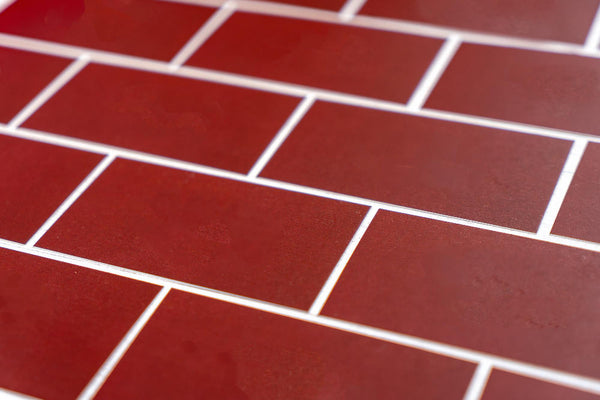
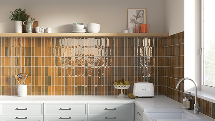
Gleeze Turchese 2X6 Glossy Porcelain Subway Tile is a smart option if you want a colorful, designer-style backsplash with the practical benefits of porcelain.
Custom Layouts and Design Upgrades
Subway tile is famous for its traditional brick or offset layout, but modern designers are exploring fresh takes on this classic look. Vertical stacks, straight stacks, herringbone arrangements, and basketweave patterns offer visual interest but can increase the complexity of installation. These creative patterns often require more cuts, detailed measurements, and greater installer expertise, all of which may raise labor costs.
Choosing a contrasting grout color can create a bold, graphic statement that elevates your space. However, this technique requires precision during grouting and cleanup. Matching grout creates a softer, more seamless look and can make the backsplash feel calmer.
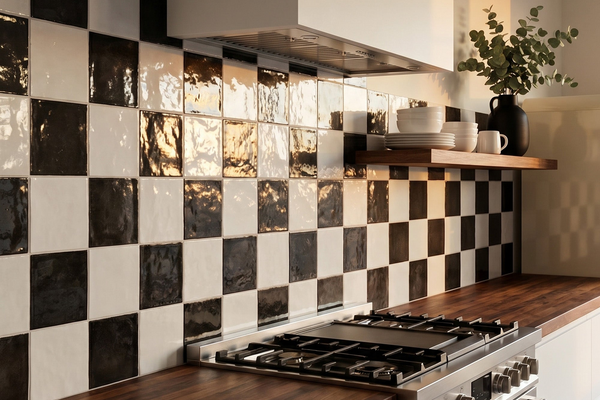
Another design element to consider is the tile finish. Glossy finishes are common for backsplashes because they reflect light and are generally easy to wipe clean. Matte or handmade-look finishes can feel softer and more modern, but textured surfaces may require more attention during cleaning.
Design upgrades may increase the total cost of subway tile installation, but they can also create a more custom result. If you want a more colorful design, browse green tiles, blue tiles, and white tiles to compare the look before choosing.
DIY vs. Professional Installation: Which Is Better?
Many homeowners compare DIY and professional subway tile installation before starting a backsplash project. Doing it yourself can reduce labor expenses and provide the satisfaction of hands-on involvement. With careful planning and attention to detail, a motivated DIYer can complete a simple backsplash over a weekend.
A professional installer brings experience, efficiency, and peace of mind. Hiring a pro can be especially beneficial for intricate layouts, large spaces, uneven walls, or projects involving expensive or delicate materials like glass, marble, or specialty ceramic tile.
| Option | Best For | Main Advantage |
|---|---|---|
| DIY Installation | Small, simple backsplashes | Lower labor cost |
| Professional Installation | Large spaces, complex layouts, premium tile | Cleaner finish and fewer installation risks |
Best Subway Tile Options by Budget
Once you understand the main cost factors, the next step is choosing the right tile for your space. Subway tile is available in many materials, colors, and finishes, so you can create a budget-friendly refresh or a more premium design.
Budget-Friendly
Choose ceramic subway tile for a clean, classic look at a lower material cost.
Durable Upgrade
Choose porcelain subway tile for dense, practical performance in kitchens, bathrooms, and shower-rated spaces.
Premium Design
Choose marble or glass subway tile when you want a more elevated, custom-looking backsplash.
Long-Term Value and Investment
While the initial cost for subway tile can feel significant, especially with high-end materials and professional installation, it is worth considering the long-term value. Subway tile is known for durability and timeless style, which means it can enhance a kitchen or bathroom while remaining relevant for years.
In kitchens and bathrooms, where aesthetics and function matter most, a well-executed subway tile backsplash offers both. It protects your walls, adds design interest, and helps create a cohesive finished look.

Subway Tile Cost FAQs
How much does subway tile cost?
Subway tile cost depends on the material, finish, size, and brand. Ceramic is usually the most budget-friendly choice, while porcelain, glass, marble, and specialty finishes usually cost more.
What is the cheapest subway tile material?
Ceramic subway tile is usually the most affordable option. It is a popular choice for kitchen backsplashes, laundry rooms, and simple wall updates.
Is porcelain subway tile worth the extra cost?
Porcelain subway tile can be worth the higher cost if you want a denser tile for bathrooms, shower-rated walls, or areas where added durability matters.
How much extra subway tile should I order?
It is smart to order extra tile for cuts, layout adjustments, breakage, and future repairs. More detailed patterns usually require more overage than simple straight-lay layouts.
Does grout color affect the final look?
Yes. Matching grout creates a softer look, while contrasting grout makes the tile pattern stand out more. Contrasting grout can look beautiful, but it also highlights alignment and spacing.
Should I order subway tile samples first?
Yes. Samples help you compare color, finish, texture, and shine in your own lighting before placing a full order.
Choose Confidence. Choose Tile Mart.
At Tile Mart, understanding the cost of subway tile is about more than the price per square foot. It is about seeing the full project picture: tile material, installation, prep work, layout, grout, trim, and long-term value.
Browse our full subway tile collection to compare ceramic, porcelain, glass, marble, glossy, matte, white, and colored options. You can also explore backsplash tiles, wall tiles, kitchen tiles, and bathroom tiles to find the best fit for your space and budget.
Ready to Start Your Subway Tile Project?
Compare styles, order samples, and choose the subway tile that fits your space, budget, and design goals.


