


Education
Tile is more than a surface material. It changes how a room looks, feels, and works. The decision between wall tile vs. floor tile goes beyond design. Each type plays a different role in function, safety, and maintenance. From shower floors to kitchen backsplashes, the right tile supports both beauty and purpose.
Knowing what separates one from the other helps you make smart choices. This guide explains the five key ways wall and floor tiles differ and how those differences affect where and how each tile works best.

Material Types Make the First Difference
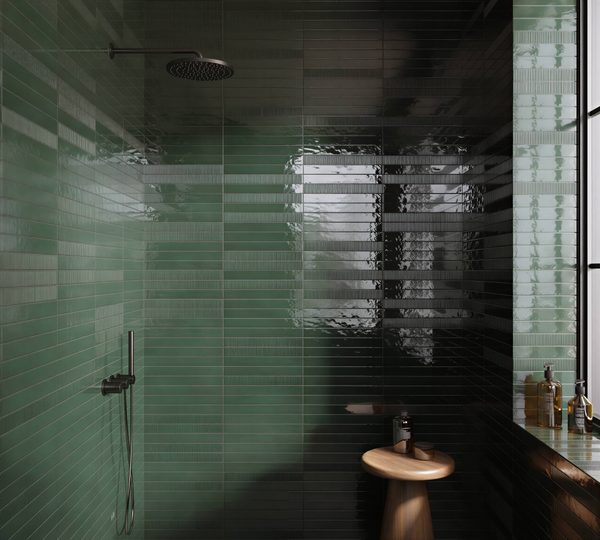
While wall and floor tiles often come from the same base materials, such as ceramic, porcelain, stone, terracotta, or cement, the finish and strength vary by application. Glazed tiles, which have a sleek and often shiny surface, are commonly found on walls. They offer easy cleanup but can be slippery, so they're not ideal underfoot.

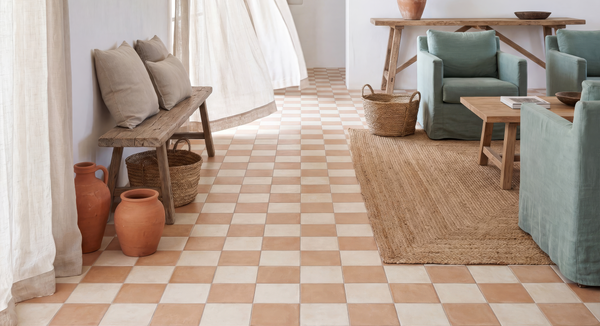
Unglazed tiles, including options like slate or textured cement, add grip and stand up well to daily traffic. These are more suitable for floors, especially in areas prone to moisture. Understanding how materials perform in different spaces is a key part of deciding between wall tile vs. floor tile.

Slip Resistance Matters on the Floor
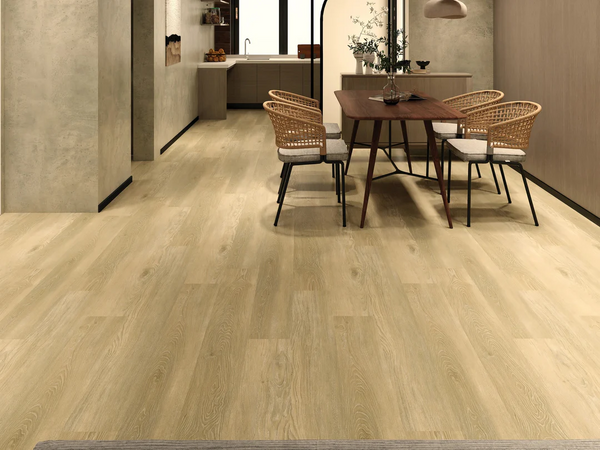
Floor tiles must provide stability, especially where water or heavy use is common. Slip-resistant surfaces, such as rough-textured stone or small tiles with many grout lines, help maintain traction. These characteristics are vital in kitchens, entryways, and bathrooms.
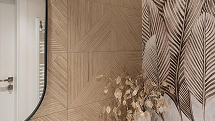
Wall tiles do not require the same level of grip. Instead, they may feature glossy finishes, smooth textures, and decorative details. These design choices look great on vertical surfaces but are not suitable for walking surfaces.

Durability Varies by Purpose
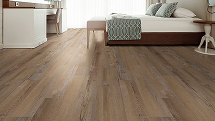
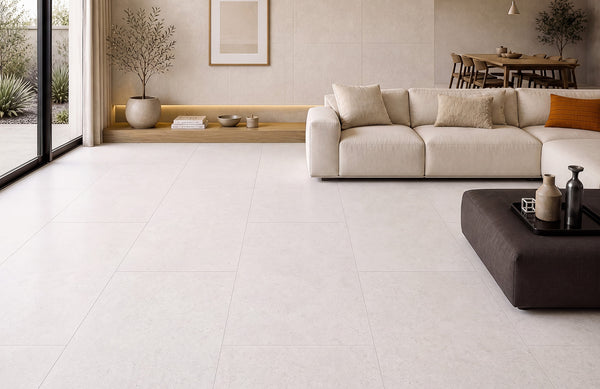
Floor tiles must withstand more impact, weight, and wear than wall tiles. They handle the load of people walking, furniture, and repeated cleaning. This means materials like porcelain, brick, cement, and natural stone work better underfoot.
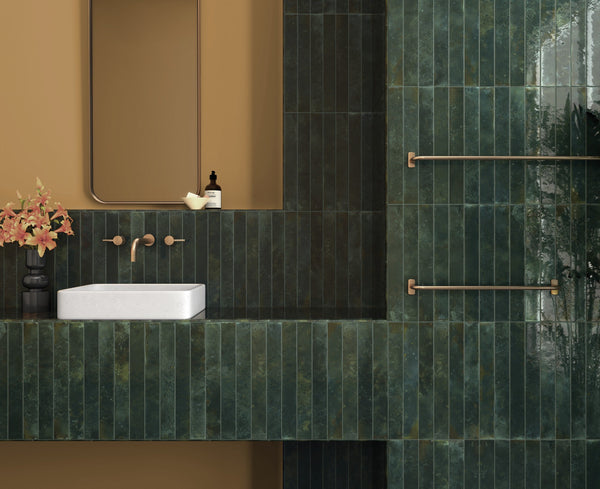
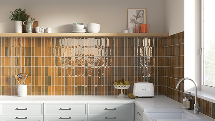
Wall tiles, by contrast, are less exposed to physical stress. They support aesthetic goals and easier cleaning. For example, glazed ceramic tile is commonly used on kitchen backsplashes, while terracotta or zellige adds a handcrafted touch to feature walls.
Still, always check the tile’s technical specs. It should indicate if a material is appropriate for your planned use.

Size and Shape Affect Appearance and Use
Wall tiles tend to be larger, which can help rooms feel more spacious. Since they are not walked on, they don’t need to account for traction. Large format tiles and bold shapes work especially well for feature walls or backsplashes.
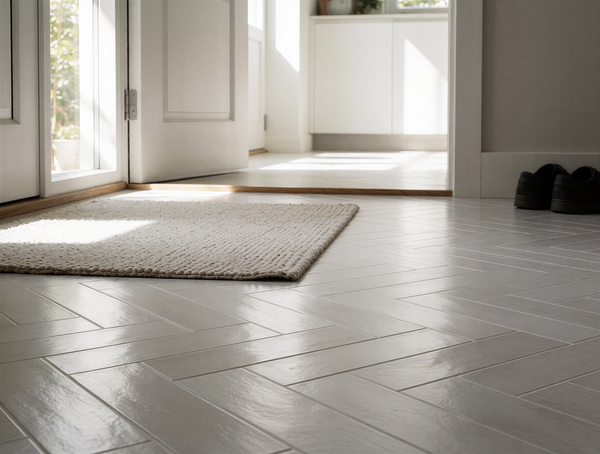
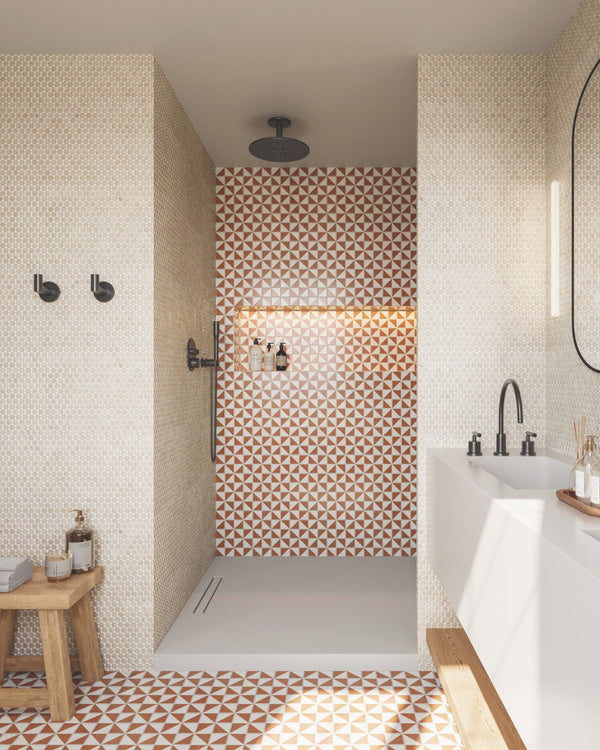
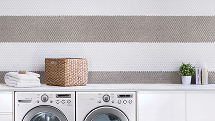
Floor tiles, on the other hand, must balance appearance with practicality. Smaller tiles like penny rounds or mosaics offer more grip and are easier to slope in wet rooms. Shapes such as hexagons or herringbone patterns can be used creatively across both surfaces, but some are more effective on one than the other depending on scale and traffic.
To see the variety, browse all tiles by color, shape, and material.

Texture Affects Both Look and Function
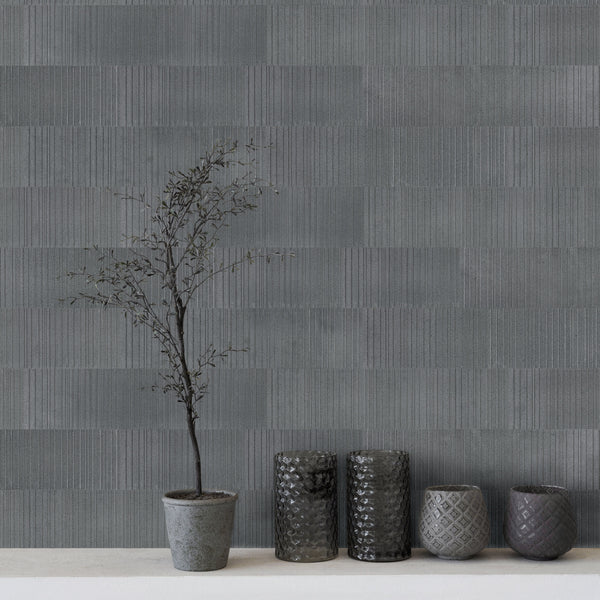
Texture not only affects the way a tile looks but also how it performs. On walls, textured tile adds visual depth and dimension. These surfaces can highlight a space but may require more frequent cleaning to stay spotless.
For floors, a rougher finish helps prevent slipping. However, deep textures can also trap dirt or be harder to maintain. Smooth tiles, such as polished marble, are easier to wipe clean but should only be used on floors in smaller formats or low-traffic areas. Balancing texture with purpose is another important part of comparing wall tile vs. floor tile.
Ready to Start Your Tile Project?
At Tile Mart, we help customers pick the right tile for every space without guesswork. From durable floor options to stylish wall features, our selection suits any budget and need. With flat-rate shipping and a reliable sample program, you can test how a tile looks and feels before deciding.
Let us help you build spaces that work as well as they look.