






Education
Bathroom floor tile most commonly runs 12"×12" to 12"×24", while bathroom wall tile ranges from small 4"×4" squares up to 12"×24" or larger. The right size comes down to whether you're tiling the floor, wall, or shower, and how many grout lines you want to see.
Quick answer: for most bathrooms, use 12"×24" tile on the main floor, 4"×4" to 12"×24" tile on the walls, and drop down to 1"×1" or 2"×2" mosaic on the shower floor so the tile can follow the slope to the drain.

What Is the Standard Tile Size for a Bathroom Floor?

Standard floor tile sizes:
- 12"×12" and 18"×18", the most common general-purpose sizes
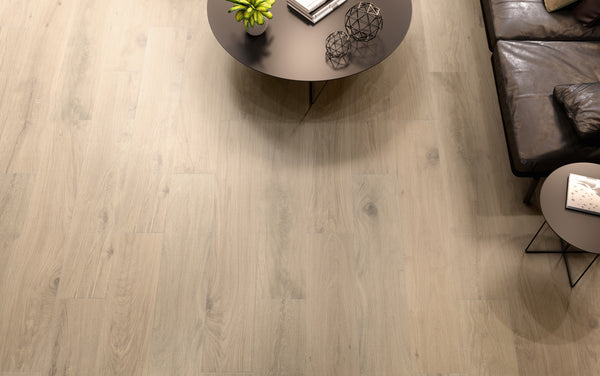
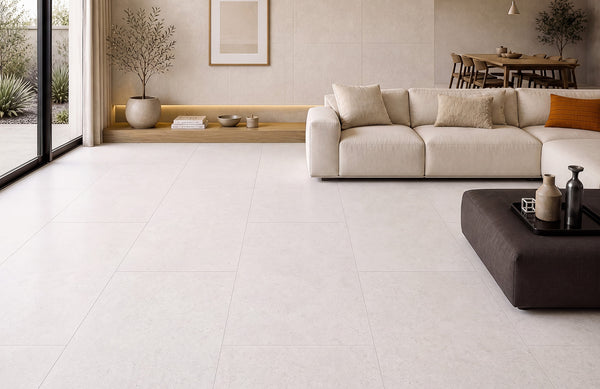
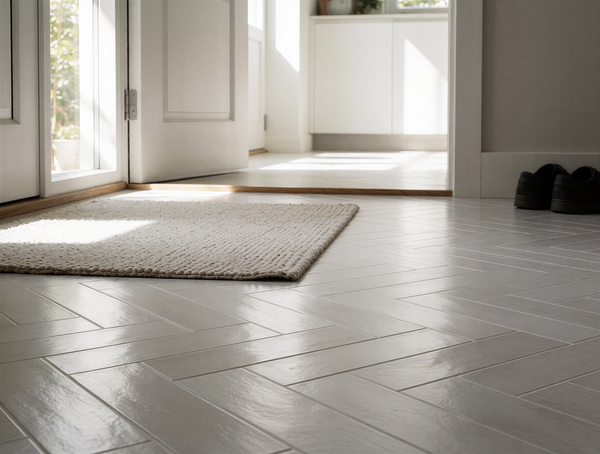
- 12"×24", a large-format tile size gaining ground in modern bathrooms for its sleek look and fewer grout lines
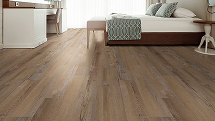
Floor tiles have to do more than look good underfoot: they need to resist slipping and hold up to daily traffic and moisture. On a shower floor, size drops down to a much smaller format, often 1" or 2" mosaics, since a small tile follows the slope toward the drain without the heavy cutting a bigger tile would need. For the main bathroom floor, a medium to large format keeps grout lines to a minimum for a cleaner, more continuous look, and it works in both small and spacious bathrooms alike: in a small bathroom, fewer grout lines make the room feel less busy, and in a larger one, the bigger format helps hold a sense of scale.
What Is the Standard Tile Size for Bathroom Walls?

Standard wall tile sizes:
- 4"×4" and 6"×6", classic choices with a lot of flexibility
- 4"×16", a rectangular format that stretches the eye across a space
- 12"×24" or larger, run vertically or horizontally to open up a room
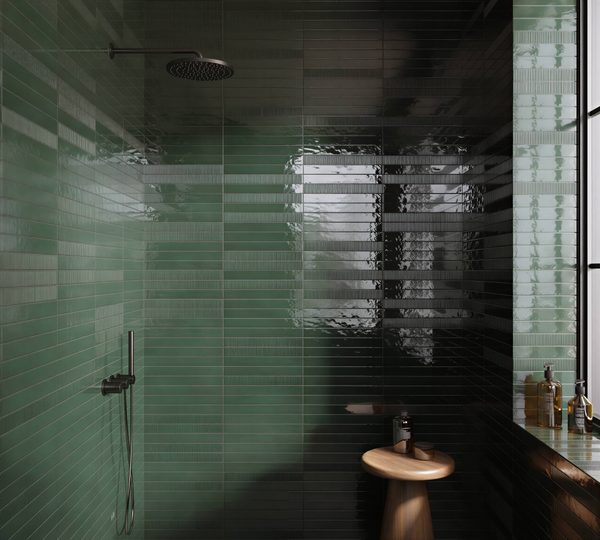
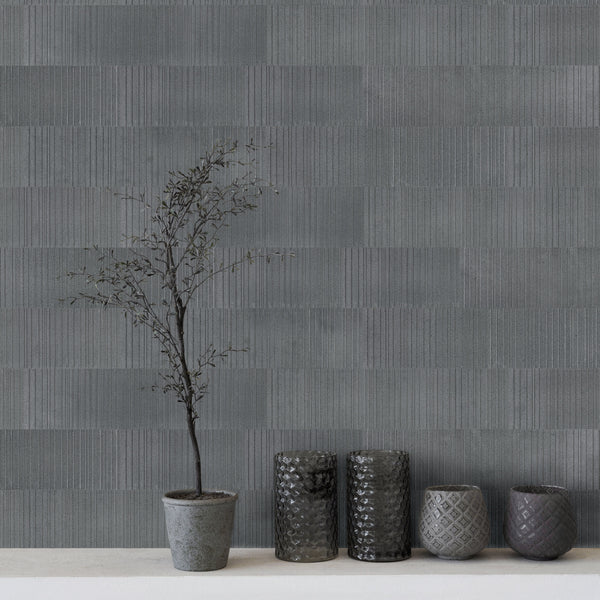
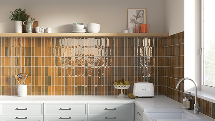
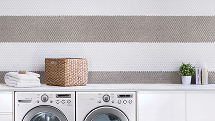
Wall tiles are where homeowners tend to get more creative with size. Traditional 4"×4" squares read vintage, especially with a colorful glaze or a classic subway tile layout, while rectangular 4"×16" or 6"×12" formats stretch the eye across the wall for more movement and depth. Running large-format tile vertically emphasizes ceiling height; running it horizontally widens the feel of the room. Smaller tile still earns a place as an accent or backsplash band, where texture and pattern read better in a small dose than across a full wall.
What Size Tile Is Best for a Small Bathroom?

Larger format tile, 12"×24" or bigger, is usually the better call in a small bathroom, not the smaller size the room's footprint might suggest. Fewer grout lines read as one continuous surface, and that continuity is what keeps a small floor or wall from feeling cut up and boxed in. The one place that logic flips is the shower floor, where a small mosaic still wins because it follows the pan's slope toward the drain, something a large tile can't do without heavy cutting. A powder room benefits most from this: run one large-format tile across the floor and up a feature wall, and the room reads bigger than its actual square footage.
Don't Forget the Trim: Finishing Tile Edges

Tile size determines the layout, but tile trim determines how the installation ends. Every wall tile stops somewhere, at a window opening, the top of a shower wainscot, or the floor below, and a trim piece finishes that edge instead of leaving a raw, unglazed cut exposed.
Bullnose tile is the most common option, with one edge rounded into a smooth curve instead of a sharp cut. It's a frequent pick for the top of a tiled wainscot or the edge of a window opening, and it comes sized to match standard 3"×6" and 3"×12" wall tile.
For a decorative touch rather than a functional edge cap, pencil tile and borders add a narrow accent strip, often run as a band between a field tile and an accent color or as a frame around a backsplash or niche.
Where a tiled wall meets the floor, cove base keeps water and debris from collecting in the seam, and corner trim carries that same curve around an inside or outside corner instead of requiring a mitered cut.
How Do You Match Tile Size to Your Bathroom Layout?
Choosing the right tile size involves more than picking what looks good on the shelf. You'll want to think about the size and shape of your bathroom, ceiling height, and the amount of natural light.
A powder room might benefit from large tiles to open up the space visually. A full bathroom, on the other hand, may need different sizes for the shower floor, walls, and main flooring.
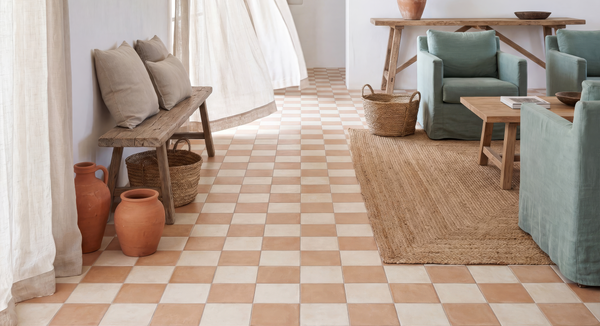
Layout plays a role too. Diagonal placements or staggered brick patterns help break up symmetry and draw the eye, while grid-style installations create a minimalist, balanced look.
What About Grout Line Width?
While tile size gets most of the attention, grout lines influence the final effect just as much. Wider grout lines suit a rustic or traditional look, while thinner lines read more modern and refined. Matching grout color to your tile creates a seamless effect, while contrasting grout adds emphasis and dimension.
Tile size is one of the first things people notice in a bathroom, even if they don't realize it. Getting it right, floor, wall, and the trim that finishes both, makes a space feel more cohesive, functional, and visually appealing.
FAQs
Should bathroom floor and wall tile be the same size?
No, they don't need to match. Floors and walls are chosen for different jobs, floor tile for slip resistance and durability, wall tile for design flexibility, so it's common to run a larger format on the floor and a different size or layout on the walls.
What size tile works best for a shower floor?
Small mosaic tile, typically 1"×1" or 2"×2" on a mesh sheet, works best on a shower floor. The small pieces and extra grout lines follow the pan's slope toward the drain, something a larger tile can't do without heavy cutting.
Does large-format tile need special installation prep?
Yes. Large-format tile needs a flatter subfloor or wall than smaller tile, since there's less room for a surface dip to hide, and it holds up best with rectified edges, tile ground to a precise size after firing, so grout lines stay tight and even.
What size tile is best for a shower wall?
A larger format, 12"×24" or bigger, cuts down on grout lines and the seams where water can work its way in. Smaller subway tile or mosaic still has a place as an accent band or inside a niche, where the design calls for more detail.
Do small bathrooms need small tile?
Not usually. Larger tile with fewer grout lines tends to make a small bathroom feel more open, not smaller. The exception is the shower floor, where small mosaic tile is still the right call for slope and grip, regardless of how small the room is.