


Education
 Kitchen and bathroom walls face heat, moisture, splashes, and daily messes, which makes backsplash choices far more than a style decision. The debate around glass vs. ceramic backsplash, glass vs. ceramic tile, and glass or ceramic subway tile for backsplash often comes down to how a space functions, not just how it looks. Each material reacts differently to light, cleaning habits, and long-term wear.
Understanding these differences helps shape a backsplash that fits your routine, layout, and design intent without surprises later.
Understanding Glass Backsplash Tile
Glass backsplash tile stands out for its light-reflective surface and clean appearance. The material does not absorb moisture, grease, or food residue, which keeps stains from setting into the tile itself. In kitchens, this trait works well behind cooktops and sinks where splatter happens often. A damp cloth or mild cleaner usually restores the surface quickly, which appeals to homeowners who prefer simple upkeep.
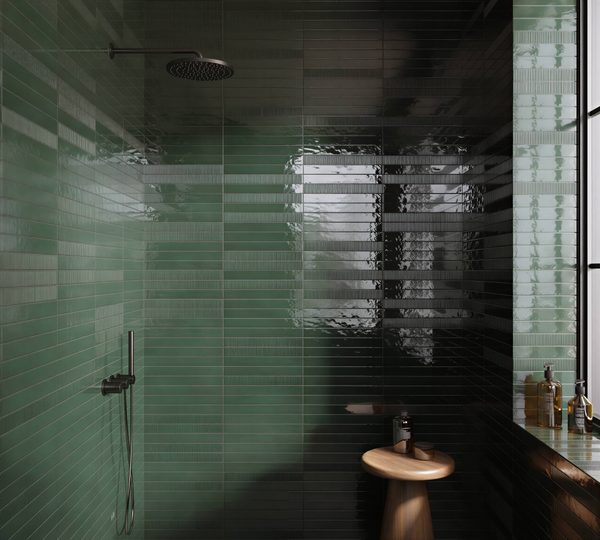
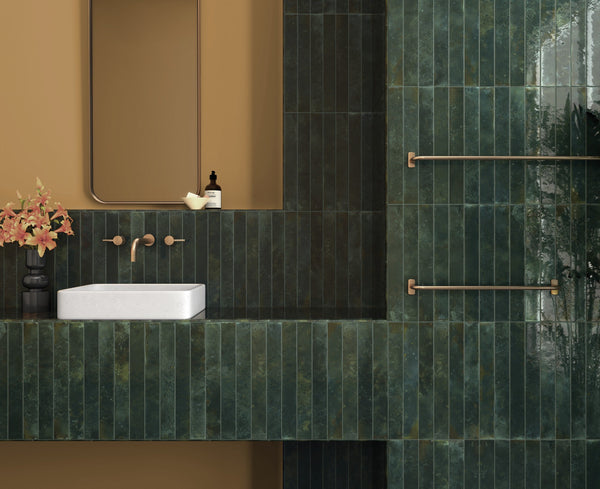
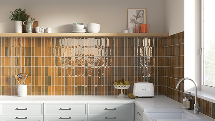
Glass tiles often appear in clear, frosted, iridescent, or textured finishes. Some styles include layered color or subtle patterns sealed within the tile body, adding depth without visual clutter. Because light passes through or reflects off the surface, glass can visually expand smaller kitchens or darker bathrooms. This effect works especially well in compact layouts with limited natural light.
Durability remains strong in wet zones, though the surface can show fingerprints or water spots more easily than ceramic. Abrasive pads can leave scratches, so cleaning habits matter. Glass performs best on walls rather than floors, which aligns well with backsplash use.
 Exploring Ceramic Backsplash Tile
Ceramic backsplash tile offers a broad range of styles, shapes, and finishes that fit almost any interior. A glazed surface resists moisture and handles daily kitchen splashes with ease. Many homeowners gravitate toward ceramic because of its balance between durability and cost, especially for larger backsplash areas.
From classic white subway formats to handmade-inspired textures, ceramic adapts to traditional, transitional, and modern kitchens alike. Matte, gloss, crackle, and relief finishes allow ceramic to complement cabinetry, countertops, and flooring without overpowering the room. Options like ceramic subway tiles remain popular due to their timeless layout flexibility.
Maintenance stays manageable with regular soap-and-water cleaning. Grout lines require attention over time, particularly in cooking zones, but sealing helps reduce discoloration. Individual tiles can be replaced if chipped, which adds peace of mind for busy households.
Visual Impact and Design Flexibility
The most noticeable difference between glass and ceramic appears in how each material interacts with light. Glass reflects and amplifies light, creating a polished, modern finish. This quality suits contemporary kitchens, sleek bathrooms, and accent walls meant to stand out. Glass often works best when paired with minimal cabinetry or clean-lined surfaces.
Ceramic absorbs light rather than reflecting it. This trait creates warmth and visual comfort, especially in kitchens with wood tones or layered textures. Ceramic also handles decorative shapes, raised patterns, and color variation more easily than glass, which suits farmhouse, vintage, or eclectic spaces.
 Durability and Daily Wear
Both materials perform well as backsplashes, though they react differently to impact and wear. Glass resists water penetration completely, which prevents staining beneath the surface. However, sharp impact from heavy objects can cause cracks, especially in thinner tiles.
Ceramic tiles handle minor bumps well but may chip if struck directly. Glazed ceramic resists most stains, though grout lines remain the most vulnerable area. With routine care, ceramic backsplashes often last over a decade without noticeable wear.
Heat resistance also matters near cooking areas. Ceramic handles heat exposure comfortably, while glass performs well behind ranges when installed correctly with proper adhesives.
Installation Considerations
Installation complexity differs significantly between these materials. Glass tile installation requires precision. Cut edges show easily, adhesives must dry evenly, and tile alignment must stay consistent to avoid visible imperfections. Many homeowners rely on professional installers for glass backsplashes due to these factors.
Ceramic tile installation suits skilled DIY projects more comfortably. Tiles cut cleanly with standard tools, and minor alignment variations hide more easily. Grouting ceramic backsplashes follows familiar methods, which keeps labor costs lower.
Wall preparation remains important for both materials. A flat, clean surface allows tiles to bond correctly and sit evenly, which impacts long-term performance.
 Cost Comparison and Long-Term Value
Glass backsplash tile typically costs more than ceramic in both material and labor. The polished appearance and reflective finish add visual value, which appeals in upscale remodels. Ceramic tile fits a wider range of budgets, making it attractive for larger kitchens or rental properties.
While glass may carry a higher upfront cost, some homeowners value its modern look and stain resistance enough to justify the investment. Ceramic offers long-term reliability at a more accessible price point, especially when style flexibility matters.
Porcelain tiles sometimes enter the conversation as an alternative for backsplashes due to their density and durability. Those exploring this option can review available porcelain selections to compare finishes and performance traits.
Build Your Backsplash With Tile Mart
At Tile Mart, we help homeowners and professionals compare materials with clarity, not pressure. Our online selection covers ceramic, porcelain, glass, and subway styles suited for real kitchens and bathrooms. With flat-rate shipping and an easy sample program, choosing the right backsplash feels straightforward.
If you want guidance on glass vs. ceramic backsplash tile options, reach out through our contact page and start planning with confidence.