




Education

Choosing the right flooring for a kitchen involves balancing durability, maintenance, style, and comfort. Homeowners often compare travertine vs ceramic tiles, each with its own advantages.
Travertine, a natural stone, brings a classic, luxurious look with subtle variations that add character. Ceramic tiles offer consistency, durability, and versatility, making them a practical choice for active kitchens.
Understanding the strengths, limitations, and aesthetic qualities of both options helps create a kitchen space that is both functional and visually appealing.
Understanding Travertine Tiles
Travertine is a natural limestone with distinctive veining and pitting. It comes in various finishes, such as polished, honed, and tumbled, each offering a different look and feel.
Tiles like Ivory Premium Travertine 4X4 Tumbled are small-format tumbled options ideal for backsplashes, accent walls, or detailed flooring.
Larger formats, such as Ivory Premium Travertine 12X12 Filled And Honed, provide a smooth, polished surface that works well in main kitchen areas.
The natural variation in color and texture makes each tile unique, adding a sophisticated, timeless aesthetic.
The Advantages of Ceramic Tiles
Ceramic tiles are made from clay and other natural materials, offering precise consistency in size, color, and finish. This allows homeowners and designers to create clean, polished layouts with minimal variation. Key advantages include:
- Durability and Resistance: Ceramic tiles resist moisture, stains, and heavy foot traffic, making them ideal for busy kitchens. Spills, dropped utensils, and daily wear have minimal impact on their longevity.
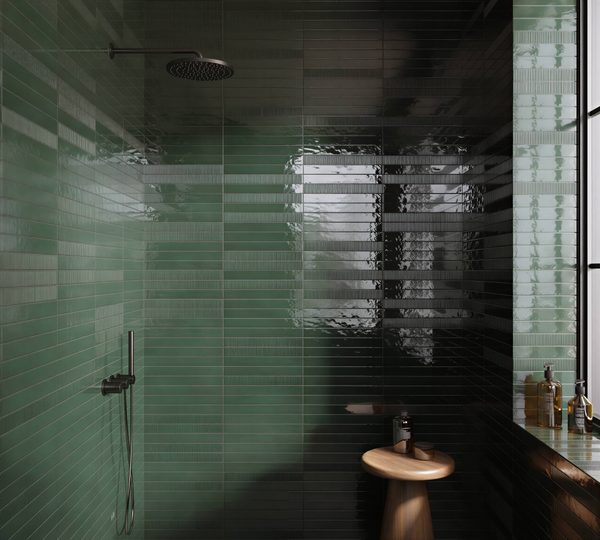
- Variety of Finishes: Homeowners can choose from glossy, matte, textured, or patterned tiles. Glossy finishes reflect light to make spaces feel brighter, while matte or textured options add depth and subtle sophistication.
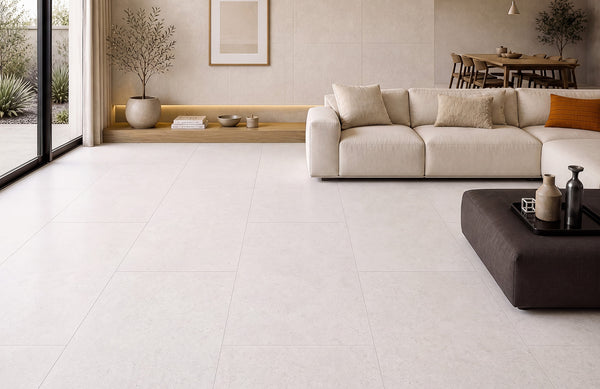
- Design Flexibility: Patterned and decorative tiles allow artistic expression. Modern ceramic can also mimic natural stone, like travertine or marble, combining elegance with enhanced durability and scratch resistance.
- Low Maintenance: Ceramic is less porous than travertine, reducing the need for frequent sealing. Cleaning is simple, which helps maintain hygienic kitchen surfaces over time.
- Versatility for Layouts: Tiles can be installed as full floors, backsplash walls, or feature areas, allowing cohesive design schemes across the kitchen.
The combination of durability, style, and low maintenance makes ceramic tiles a practical and attractive choice for kitchen floors and backsplashes, offering long-term value and design freedom.

Durability Considerations
When comparing travertine tile vs ceramic, durability plays a key role. Travertine is naturally softer than ceramic, making it prone to scratching, chipping, and etching over time, especially in high-traffic kitchens.
Ceramic tiles are highly resistant to impact, stains, and heavy wear. Homeowners with active families, pets, or frequent cooking activities often find ceramic a more forgiving option for long-term use.
The weight and natural structure of travertine also require a stable subfloor to prevent cracking, while ceramic is lighter and less demanding on the foundation.
Maintenance Requirements
Travertine demands routine care, including sealing to protect against stains and water damage. Spills like wine, tomato sauce, and citrus can etch the surface if left unattended.
Ceramic tiles require minimal maintenance, needing only regular cleaning with mild detergent and water. Their resistance to moisture and staining makes them ideal for kitchens with heavy use.
Both options benefit from grout sealing, but travertine requires more frequent inspection and maintenance to maintain a smooth, even surface over the years.
Aesthetic and Design Flexibility
Travertine brings natural warmth and subtle variation that enhances traditional, Mediterranean, or luxury kitchen designs. Its soft color palette works beautifully with wood cabinets, stone countertops, and metallic accents.
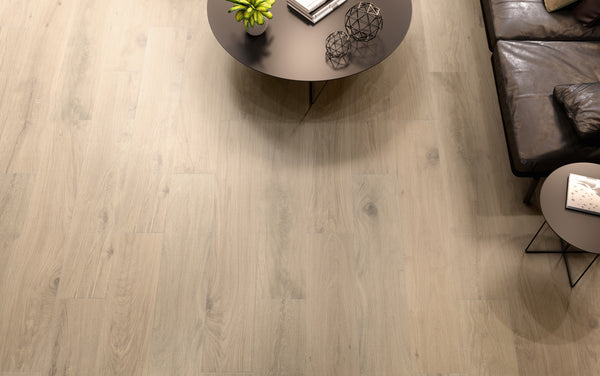
Ceramic tiles offer extensive design flexibility. Homeowners can select from a wide array of colors, finishes, and patterns, including tiles that mimic natural stone or wood grain.
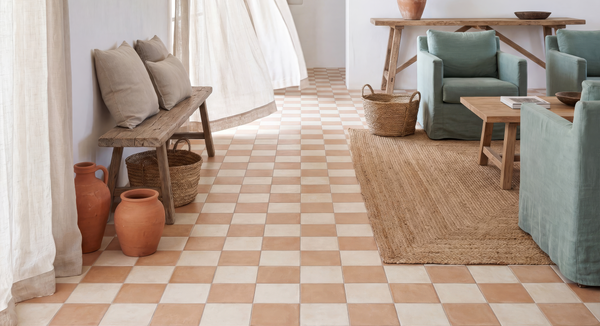
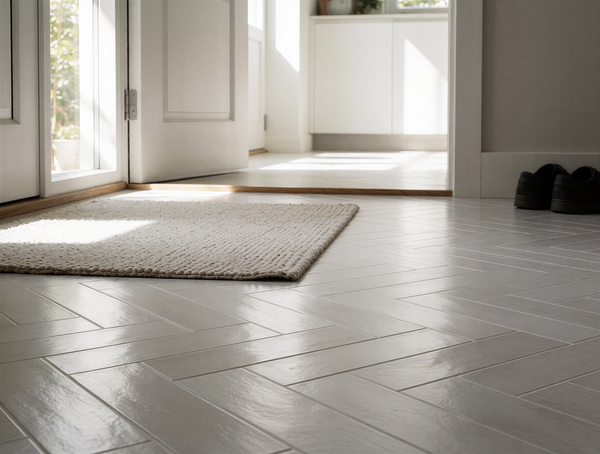
Both options allow creativity in layout patterns such as herringbone, staggered, or checkerboard arrangements, helping kitchens achieve unique, polished looks.
Comfort and Practicality
Kitchen flooring needs to balance aesthetics with comfort. Travertine has a cooler, harder surface, which may feel less forgiving underfoot, particularly for long periods of standing during cooking or entertaining.
Ceramic shares the hardness but is easier to clean and often comes in slip-resistant textures. Homeowners can incorporate rugs or mats in key zones to reduce fatigue and improve comfort.
Consideration of underfloor heating may also influence material choice, as natural stone efficiently conducts warmth.
Budget and Long-Term Investment
Travertine is generally more expensive than ceramic, especially when factoring in installation and sealing costs. Its natural appearance and luxury appeal may justify the investment for high-end kitchens.
Ceramic offers a budget-friendly alternative with lower long-term maintenance costs. Both materials hold value in home resale, but travertine is often perceived as more luxurious.
Careful planning for quantities, layout, and installation can maximize both visual impact and financial efficiency.
Combining Materials for Unique Spaces
Some homeowners choose to combine travertine and ceramic in kitchens to balance style and practicality. Travertine can be used for focal areas like islands, backsplashes, or entryways, while ceramic covers high-traffic zones.
This approach allows the natural elegance of travertine to shine while taking advantage of ceramic’s durability and ease of maintenance. Coordinating grout colors and finishes ensures a cohesive, integrated look throughout the kitchen.
Making the Right Choice for Your Kitchen
Choosing between travertine tile vs ceramic depends on lifestyle, kitchen use, and maintenance preferences. Travertine offers natural stone beauty with unique veining and textures, appealing to homeowners who value a luxurious, organic look. It requires regular sealing and careful upkeep to prevent staining and damage from spills.
Ceramic tiles provide durability, low maintenance, and design flexibility. They resist moisture, stains, and wear, making them ideal for high-traffic kitchens. Modern ceramic can mimic natural stone or incorporate patterns, offering aesthetic versatility without the extensive care travertine demands.
Testing samples at home helps evaluate color, texture, and comfort underfoot. Understanding each material’s strengths and requirements allows homeowners to select a kitchen floor that balances beauty, functionality, and long-term satisfaction.
Bring Your Dream Kitchen to Life with Tile Mart
Here at Tile Mart, we guide customers in choosing the right tile for every kitchen project. From elegant travertine to durable ceramic, our extensive selection supports both professionals and homeowners. Our sample programs, expert advice, and fast shipping make it simple to find the perfect kitchen flooring solution.
Explore our collections and bring your kitchen design to life today.