





Education

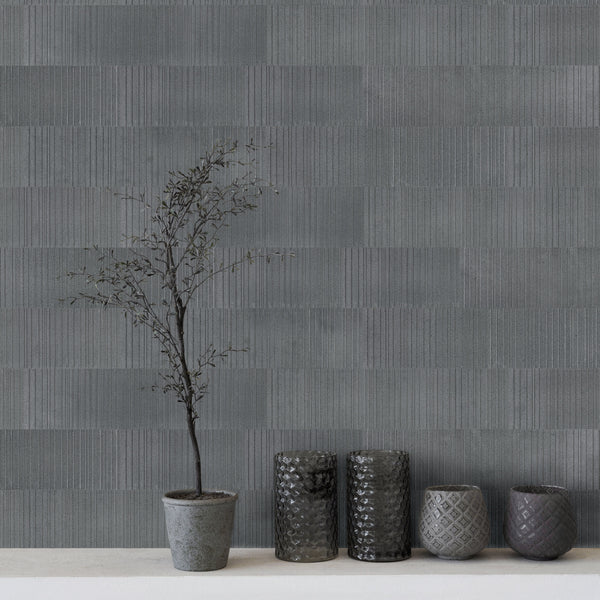
A vertical tile layout turns rectangular tile so its long edge runs up the wall. A straight vertical stack creates a clean grid, while vertical offset and vertical herringbone patterns add more movement. The direction can make a wall appear taller, but the best layout depends on the tile dimensions, wall height, focal points, and where the top and bottom cuts will fall.
Vertical tile gives familiar subway and rectangular formats a different proportion without requiring a highly decorative pattern. It works especially well on kitchen backsplashes, shower walls, vanity walls, niches, and other areas where you want to emphasize height.
Before choosing the direction, compare a vertical layout with a horizontal one using the tile's actual dimensions. A few minutes of planning can prevent narrow cuts, awkward edges, or grout joints that miss important features.

What Is a Vertical Tile Layout?
Vertical tile describes the direction of the installation, not a separate tile category. Many rectangular wall tiles can be turned vertically when the product and installation plan allow it.
| Layout | What it looks like | Planning considerations |
|---|---|---|
| Vertical stack | Tiles align in straight columns and rows | The clean grid makes alignment and size variation more visible |
| Vertical offset | Upright tiles shift from one row or column to the next | The offset amount should follow the tile manufacturer's recommendations |
| Vertical herringbone | Rectangular tiles form an angled V-shaped pattern | Requires more layout work, perimeter cuts, and usually a higher waste allowance |
Does Vertical Tile Make a Room Look Taller?
Vertical grout lines guide the eye upward, so they can emphasize ceiling height and make a wall feel taller. The effect is most noticeable when the tile runs through a large portion of the wall, such as a full-height shower or a backsplash that reaches the upper cabinets.
The layout will not physically enlarge the room, and the final impression also depends on tile size, color, grout contrast, lighting, and how often the pattern is interrupted. A contrasting grout makes each vertical line more visible. A grout color close to the tile produces a quieter surface where color and finish take more attention.

How to Choose the Right Tile Size
Long, narrow tile creates more pronounced vertical lines. Shorter subway formats create a denser grid with more grout joints. Neither option is automatically better, so use the wall measurements to compare how each format will fit.
When reviewing a tile size, check:
Choosing Material, Finish, and Color
The layout can be used with ceramic, porcelain, glass, or natural stone tile when the exact product is approved for the intended surface. Material affects care, installation, and application, so make the decision using the product specifications rather than appearance alone.
For showers and other wet areas, confirm that the exact tile is approved for that location. The direction of the tile does not make a product waterproof or suitable for wet use. Waterproofing comes from the correctly designed and installed assembly behind the tile.

How Grout Changes a Vertical Tile Design
Grout color determines how strongly the grid reads from across the room. Matching or closely related colors blend the joints into the tile. High contrast outlines every piece and makes the vertical pattern more graphic.
Before selecting a grout color or joint width:

Where Vertical Tile Works Well
Vertical tile can add height between the countertop and upper cabinets. Plan the layout around outlets, corners, windows, and the range area so the cuts look deliberate.
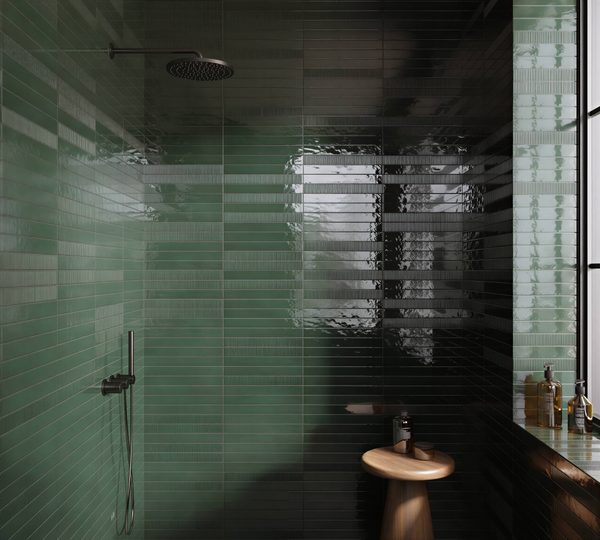
A full-height vertical layout can emphasize the distance from the shower base or tub to the ceiling. Check the cuts around niches, valves, benches, and outside edges before installation.
Using vertical tile behind a vanity, fireplace surround, or entry feature can define a focal area without introducing a second material. Confirm that the selected tile is approved for the exact application.
A vertical direction can distinguish a niche from the surrounding field tile. Measure the opening carefully so the pattern is centered and the perimeter cuts are balanced.
What to Confirm Before Ordering
-
Approved use: Confirm the tile is suitable for the intended wall, shower, backsplash, or other surface. -
Actual size and thickness: Use product specifications rather than relying only on the listed size. -
Layout direction: Draw or dry-lay the vertical pattern and identify the most visible cuts. -
Grout and edge finish: Select the joint, color, and exposed-edge treatment before installation begins. -
Quantity: Have the installer calculate material for cuts, breakage, pattern complexity, and future repairs. -
Production lot: Order the project quantity together and check shade and caliber information on arrival. -
Final inspection: Review tiles from several boxes before setting them to confirm color, variation, and orientation.
Frequently Asked Questions
Many rectangular subway tiles can be turned vertically, but you should confirm the tile's approved application and plan the layout using its actual dimensions. Direction does not change a wall-only tile into a floor tile or make a product suitable for a shower.
A straight vertical stack is usually less complex than herringbone, but cost depends on tile variation, wall preparation, the number of cuts, edge details, niches, and the installer's labor. Request an estimate based on the final pattern.
Matching grout creates a quieter surface, while contrasting grout emphasizes every vertical joint. Neither is universally better. Test both directions with your tile, cabinetry, fixtures, and lighting.
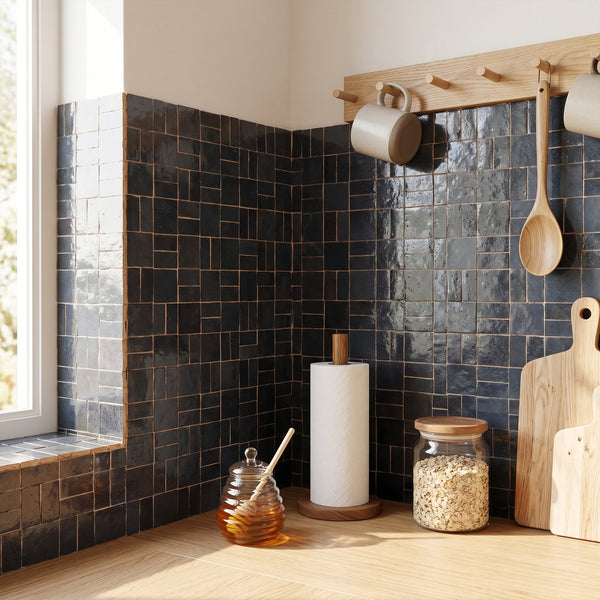
Vertical subway tile is a flexible layout rather than a single color or finish trend. A simple stack tends to look more modern, while handmade surfaces, warm colors, or visible variation can make the same pattern feel softer and more traditional.
Yes. The vertical lines can emphasize wall height, but scale and cut placement still matter. Compare sample tiles on the actual wall before finalizing the size and grout color.
Explore Tile for Vertical Layouts
Browse subway tiles, ceramic tiles, porcelain tiles, backsplash tiles, bathroom tiles, and shower tiles. Compare samples in your space and confirm the product specifications with your installer before ordering the full project quantity.