

Is tile flooring a better choice than hardwood flooring?

Quick Answer
Hardwood flooring is best for homeowners who want real wood warmth, natural character, and a classic look in dry living spaces. Tile flooring is better for bathrooms, kitchens, laundry rooms, entryways, and high-moisture areas where durability and water resistance matter most. If you want the look of wood with tile performance, wood look tile is often the most practical middle ground.
Hardwood vs. Tile Flooring: Main Differences
Installing a new floor can completely change the look and feel of your home. Two of the most popular options are hardwood flooring and tile flooring. Both can look beautiful, but they perform differently depending on the room, moisture level, traffic, and maintenance expectations.
Hardwood is known for its natural warmth and timeless character. Tile offers strength, water resistance, and design flexibility. For shoppers comparing real wood, tile, and wood-inspired surfaces, it helps to look at the full picture: appearance, durability, maintenance, installation, cost, and room use.
Tile vs. Hardwood Flooring Comparison
Category |
Tile Flooring |
Hardwood Flooring |
Best rooms |
Kitchens, bathrooms, laundry rooms, entryways, showers, high-traffic areas |
Living rooms, bedrooms, dining rooms, hallways, dry spaces |
Water resistance |
Excellent when properly installed, especially porcelain tile |
Sensitive to standing water and high moisture |
Durability |
Very durable and resistant to scratches, stains, and wear |
Durable, but can scratch, dent, or warp with moisture |
Comfort |
Harder and cooler underfoot |
Warmer and softer underfoot |
Maintenance |
Easy to clean, grout may need care |
Needs wood-safe cleaning and may require refinishing over time |
Look |
Available in stone, marble, concrete, patterned, and wood-look styles |
Natural wood grain, warmth, and authentic variation |
Understanding Tile Flooring
Tile flooring includes porcelain tile, ceramic tile, natural stone tile, mosaics, and specialty formats. Porcelain is one of the most practical floor tile choices because it is dense, durable, and highly water-resistant when installed correctly.
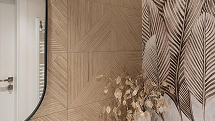
Tile comes in many sizes, colors, textures, and finishes. It can create a clean modern look, a natural stone appearance, or even a wood-inspired floor through wood look porcelain tile. This makes tile especially flexible for kitchens, bathrooms, laundry rooms, entryways, and other high-use areas.
Understanding Hardwood Flooring
Hardwood flooring is valued for its natural beauty, warmth, and classic appeal. Solid hardwood is made from a single piece of wood, while engineered hardwood uses a real wood surface layer over a layered core for added stability.
Hardwood works best in dry rooms such as living rooms, bedrooms, dining rooms, and hallways. It can be refinished depending on the product, which helps extend its life. However, hardwood is more sensitive to moisture than tile, so it is usually not the best choice for showers, wet bathrooms, or laundry rooms with frequent spills.

Aesthetic Appeal and Design Flexibility
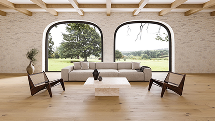
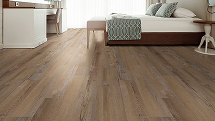
Hardwood has an authentic look that is difficult to fully duplicate. The grain, knots, color variation, and natural warmth give each floor a unique character. This is why hardwood remains popular in living rooms, bedrooms, and traditional interiors.
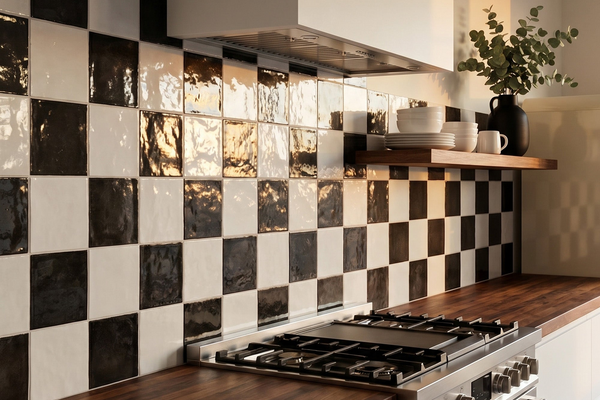
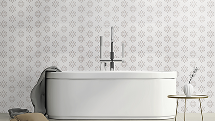
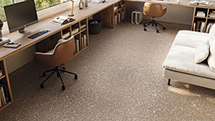
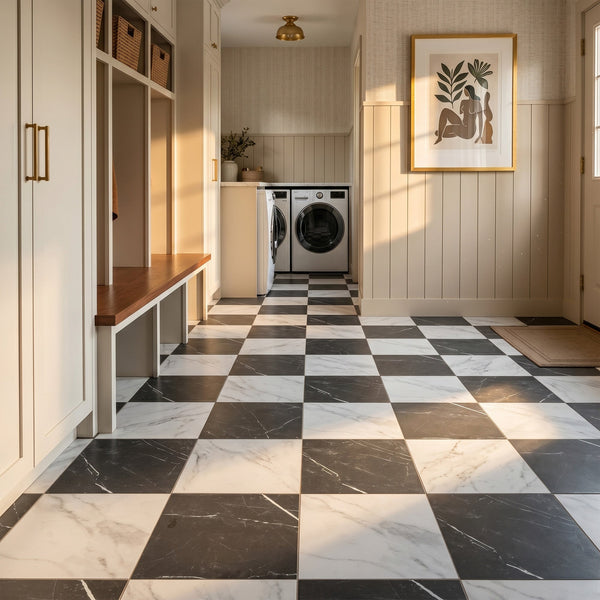
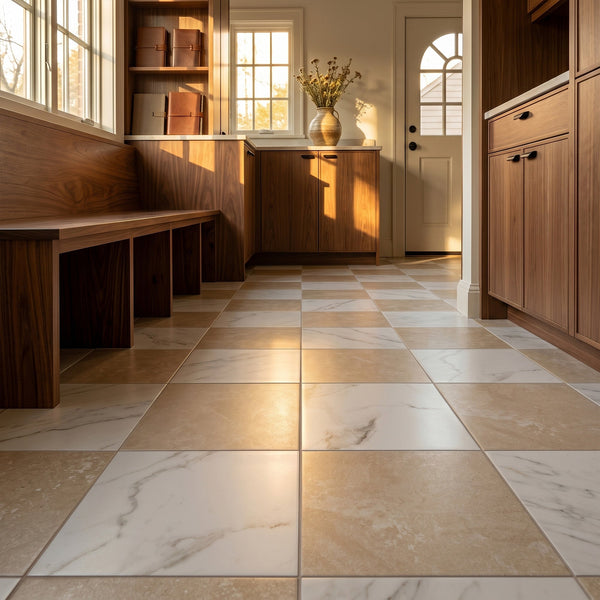
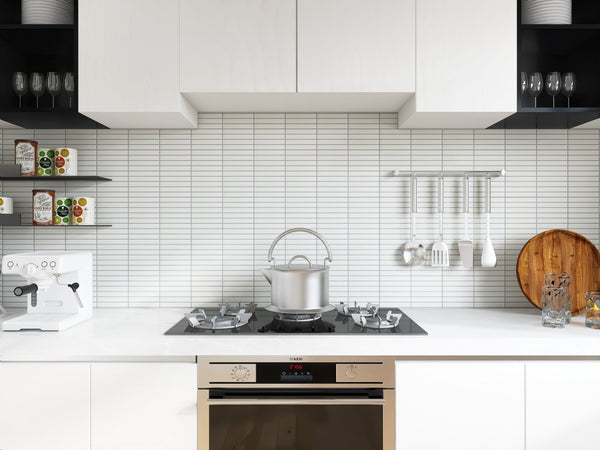
Tile offers more design flexibility. You can choose stone look tile, marble look tile, concrete looks, patterned tile, large-format tile, or wood-look planks. This makes tile a strong choice when you want a specific style and need better resistance to moisture, scratches, and heavy traffic.
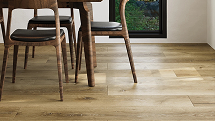
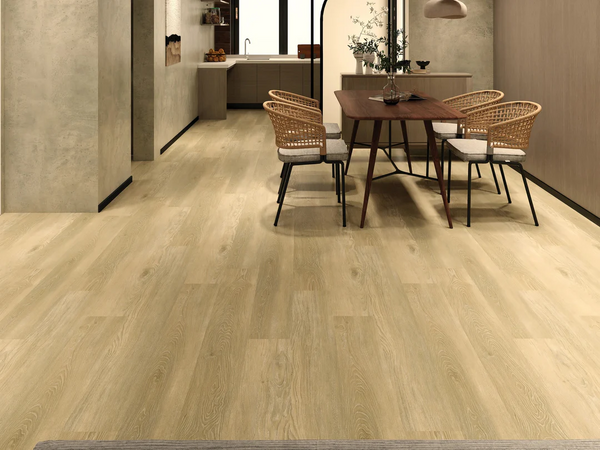
If you love the look of hardwood but need more durability, wood look tile is a strong option. If you want a softer floor with a wood-inspired look, compare wood look vinyl and luxury vinyl flooring.
Compare Wood-Look Flooring Options
Not sure whether hardwood, tile, or vinyl is right for your home? Browse Tile Mart’s wood look tiles, engineered hardwood, wood look vinyl, luxury vinyl flooring, and wood and vinyl flooring collections to compare color, texture, finish, comfort, and long-term performance.
Durability and Maintenance
Tile is one of the most durable flooring materials for daily use. Porcelain and ceramic tile can handle foot traffic, spills, cleaning, and everyday wear when properly installed. This makes tile a practical choice for kitchens, bathrooms, mudrooms, laundry rooms, and entryways.
Hardwood can also last a long time, but it needs more care. It can scratch from pet claws, furniture, grit, and heavy use. It can also react to moisture, humidity, or standing water. Some hardwood floors can be refinished, which helps restore the surface, but refinishing depends on the flooring type and wear layer.
For busy homes with kids, pets, moisture, or heavy traffic, tile is usually easier to maintain. For dry living areas where warmth and natural material matter most, hardwood remains a strong choice.
Water Resistance and Room Suitability
Tile is the better choice for wet and moisture-prone spaces. Porcelain tile is commonly used in bathrooms, kitchens, laundry rooms, and some shower tile applications. For showers and wet rooms, the full installation system matters, including waterproofing, mortar, grout, and proper slope.
Hardwood should be used carefully around moisture. Occasional spills can be managed if cleaned quickly, but repeated water exposure can cause swelling, cupping, staining, or warping. For bathrooms, laundry rooms, and entryways, tile or wood look tile is usually more practical than real hardwood.

Installation Process Compared
Tile installation usually requires more preparation and precision. The subfloor must be flat and stable, and installers need thinset mortar, spacers, tile cutting tools, grout, and proper curing time. Large-format tile, plank tile, patterned layouts, and wet-area installations are best handled by an experienced tile installer.
Hardwood installation depends on the product. Some floors are nailed, stapled, glued, or floated. Hardwood also needs proper acclimation before installation because wood can expand and contract with humidity. A professional installer can help prevent gaps, buckling, uneven boards, and moisture-related issues.
Cost and Long-Term Value
The cost of tile and hardwood depends on material, room size, installation method, and prep work. Tile can range from budget-friendly ceramic to premium porcelain, marble, or natural stone. Hardwood can vary widely based on species, thickness, construction, finish, and installation method.
Hardwood may cost more upfront in many projects, but it can add warmth and long-term appeal in the right rooms. Tile may require more installation labor, but it performs especially well in high-use and high-moisture spaces. The better value depends on where the flooring is being installed and how the room will be used.
Comfort and Everyday Living
Hardwood feels warmer and softer underfoot than tile. This makes it comfortable in bedrooms, living rooms, and dining rooms. Hardwood also brings a natural look that many homeowners associate with comfort and home value.
Tile is harder and cooler, which some homeowners prefer for easy cleaning and durability. In colder spaces, tile can be paired with radiant floor heating for added comfort. Area rugs can also soften tile floors in living areas and bedrooms.
Environmental Considerations
Hardwood can be a sustainable choice when sourced from responsibly managed forests. Look for products with responsible sourcing information and choose a floor that can be maintained or refinished instead of replaced quickly.
Tile is made from natural raw materials and can last for decades when installed properly. Its long service life is one of its main sustainability advantages. If sustainability matters to you, compare lifespan, sourcing, certifications, maintenance needs, and replacement frequency before choosing.
Resale Value and Buyer Appeal
Hardwood flooring often has strong buyer appeal because it is associated with warmth, natural character, and timeless design. It is especially desirable in living rooms, bedrooms, and open-concept spaces.
Tile is highly appealing in kitchens, bathrooms, laundry rooms, and entryways because buyers expect these spaces to be easy to clean and moisture-resistant. A well-chosen porcelain or wood look tile floor can feel premium while offering strong performance.
Which Flooring Should You Choose?
The best choice depends on where the floor is going and what you care about most.
- Choose tile if you want: water resistance, easy cleaning, durability, and strong performance in busy or wet spaces.
- Choose hardwood if you want: real wood warmth, natural grain, and a classic look in dry living areas.
- Choose wood look tile if you want: the appearance of wood with the water resistance and durability of tile.
- Choose wood look vinyl if you want: a softer wood-style floor with easier installation and a lower upfront cost.
For bathrooms, kitchens, laundry rooms, entryways, and high-traffic floors, tile is usually the more practical option. For bedrooms, dining rooms, and dry living spaces, hardwood can be a beautiful long-term choice.
Shop Tile, Hardwood, and Wood-Look Flooring at Tile Mart
Explore Tile Mart’s floor tile collection for durable porcelain, ceramic, natural stone, and wood-look options. You can also browse wood look tiles, engineered hardwood flooring, wood look vinyl, luxury vinyl flooring, and wood and vinyl flooring to compare style, comfort, maintenance, and long-term value.
Before committing to a full order, get samples to compare color, texture, finish, and feel in your own lighting.
Frequently Asked Questions
Is tile or hardwood better for pets?
Tile is usually better for pets because it resists scratches, moisture, and accidents more effectively than hardwood. Hardwood can still work in pet-friendly homes, but it may show claw marks and water damage more easily.
Can tile or hardwood be installed over radiant heating?
Many tile floors can be installed over radiant heating when the installation system is compatible. Some hardwood and engineered hardwood products may also work, but you should always check the manufacturer’s guidelines for heat and humidity limits.
Is tile better than hardwood in bathrooms?
Yes. Tile is usually better for bathrooms because it handles moisture, cleaning, and water exposure more effectively than hardwood. Wood look tile is a good option if you want a wood-inspired bathroom floor.
Does hardwood add more resale value than tile?
Hardwood can add strong resale appeal in dry living areas, bedrooms, and dining rooms. Tile often adds more practical value in bathrooms, kitchens, laundry rooms, and entryways. The best resale choice depends on the room and buyer expectations.
What is the best alternative to hardwood flooring?
Wood look tile is one of the best alternatives if you want the appearance of hardwood with better water resistance and durability. Wood look vinyl is another option if comfort, lower upfront cost, and easier installation are bigger priorities.


