



Popular Ways to Shop


Learn more about Stone Look Tiles
Your Guide to Stone Look Tiles
Stone look tile is porcelain or ceramic tile engineered to replicate the texture, veining, and color of natural stone. You get the look without the weight, sealing requirements, or cost that come with the real thing. Digital printing technology has made the resemblance remarkably close: you can find tiles that convincingly mimic marble, travertine, limestone, slate, and sandstone in a format that installs like any standard tile.
The main difference from natural stone tiles is maintenance. Porcelain stone look tile is non-porous, so it doesn't absorb water, stain from spills, or need annual sealing. It also tolerates freeze-thaw cycles better than most real stone, which matters for outdoor and shower applications. If you want the look of marble tiles but a surface that holds up to daily use without special care, stone look tile is the practical answer.
Stone Look Floor and Wall Tile
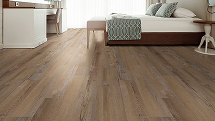
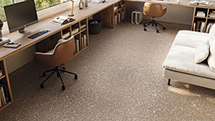
Floor tile. On floors, stone look tile performs best in larger formats. Planks in 12x24 or 24x48 stretch across the floor in a way that mimics stone slab: fewer grout lines, bigger visual impact. A matte or textured finish is the right choice for floors because it provides grip underfoot.
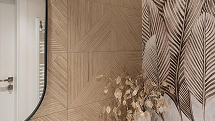
Wall tile. Walls open up more options. You can use a polished or satin finish on a wall without worrying about slip resistance, and the reflective surface makes small rooms feel larger. Smaller formats like 3x12 or 4x12 ledger-style tiles, or mosaic sheets, work especially well for accent walls and niches. Wall tiles in a marble or travertine look can anchor a bathroom or feature wall without the commitment of real stone.
Stone Look Tile by Room
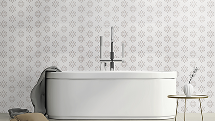
Bathroom. A stone look floor pairs naturally with a stone look wall in the same or complementary colorway. Sandy travertine tones and warm ivory shades work well together. Matte on the floor, satin or polished on the walls.
Shower. Stone look tile is one of the most popular choices for shower walls and floors. A matte porcelain in a travertine or limestone look gives you the spa aesthetic with none of the maintenance that real stone requires in a wet environment. For shower floors, use a small-format stone look mosaic. The additional grout lines improve traction. See shower tiles for options rated for wet areas.
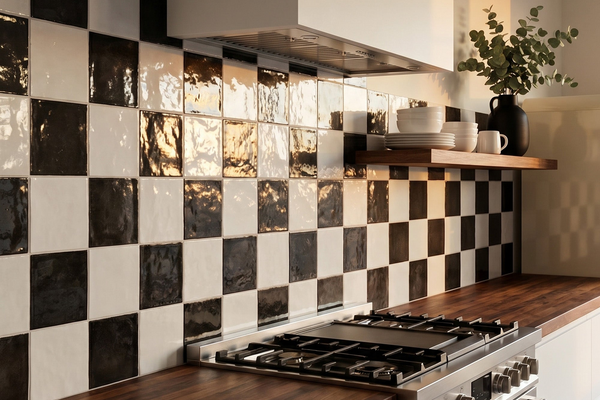
Kitchen. In the kitchen, stone look tile works as both a floor and a backsplash. A slate look or sandstone look keeps the space grounded without competing with cabinetry. For backsplashes, a 3x6 or 4x12 stone look tile in a stacked or offset pattern reads cleaner than a busy mosaic.
Fireplace. Porcelain tile holds up to heat and doesn't require sealing the way real stone does, making stone look tile a natural fit for fireplace surrounds and hearths. A dark slate look or a warm travertine makes the fireplace a focal point. Browse fireplace tiles for surround and hearth options.
How to Choose Stone Look Tile
Finish for wet vs. dry areas. Matte and textured finishes are the safe choice anywhere underfoot. Polished finishes look striking but can be slippery when wet. Reserve them for walls, fireplace surrounds, and dry floor applications.
Large format and subfloor flatness. Large format tiles (anything over 15 inches on a side) require a flat subfloor, typically within 1/8 inch over 10 feet. Lippage (where tile edges don't sit at the same height) is more visible on big tiles. If your subfloor has movement, a smaller format is more forgiving.
Rectified vs. pressed edge. Rectified tiles are cut to exact dimensions after firing, so they sit flush against each other with a grout joint as tight as 1/16 inch. Pressed-edge tiles have a slight size variation and need a 1/8-inch or wider joint. For large stone look slabs, rectified is the right choice.


