






Popular Ways to Shop


Learn more about Pencil Tile & Borders
Your Guide to Pencil Tile and Borders
What Is Pencil Tile?
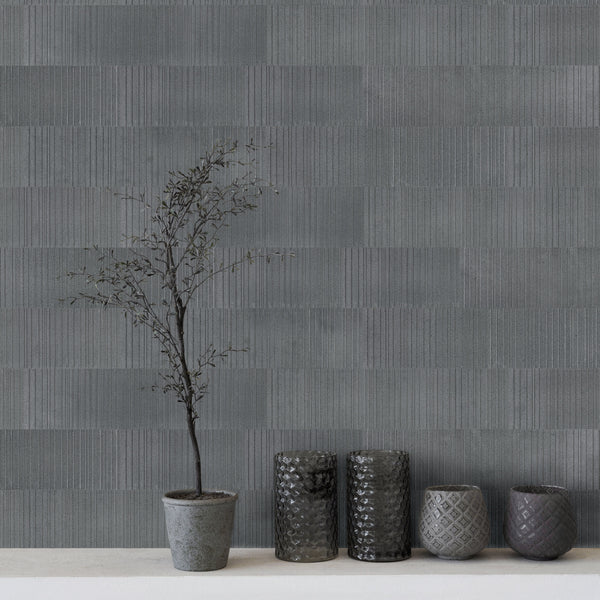
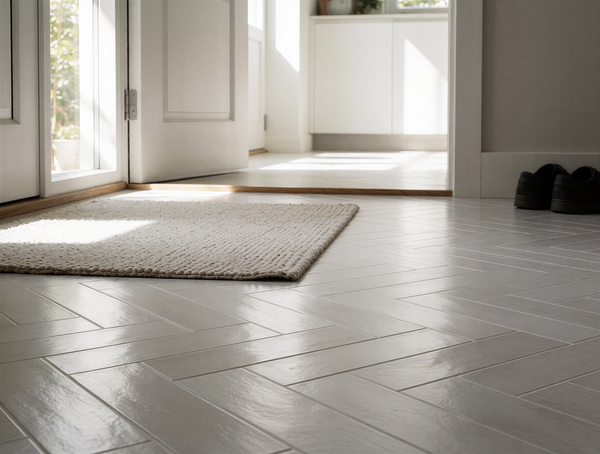
Pencil tile is a thin decorative strip that frames, accents, or borders a tiled wall. You might also know it as pencil liner, pencil molding, or a tile border. Same thing, different names.
Here's the easiest way to think about it: bullnose rounds off a raw edge. Pencil tile works a little differently. You'll often find it in the middle of a design, not just the end of one, as a band between two colors or a little frame around a niche. Decorative first, functional second.
And it comes in a few different scales. A thin liner under one inch works well for a subtle border around a niche, backsplash, or accent panel. Wider chair rail pieces create a more defined stopping point at the top of a wainscot. Patterned or textured strips, sometimes called listellos, work best as a single standout accent rather than a strip that repeats over and over. We carry the whole range in marble, ceramic, and porcelain, in glossy, matte, polished, and honed finishes.
Where Does Pencil Tile Go?
You'll see it framing the edge of a backsplash, running as an accent band partway up a bathroom or shower wall, or outlining the inside of a niche or window opening so the tile doesn't end in a raw cut. It also looks great bordering a mosaic inset, giving the decorative panel its own little frame.
The wider, chair-rail-sized strips have a different job. They mark the top of a half-tiled wainscot, the same spot a wood chair rail would sit in an untiled room, and give the tiled lower wall a clean stopping point before paint or wallpaper takes over.
How to Choose Pencil Tile
Accent or Match? Pick One
A contrasting pencil liner, like a black marble strip against a white field tile, makes a bold little statement line. The same liner in your field tile's color and finish just looks like a clean, quiet edge. Both are great looks, but they need opposite colors, so it's worth deciding early which one you're going for.
Find the Right Width
A thin liner under an inch wide is perfect for a subtle accent or border. It tucks neatly around a niche or backsplash without competing with your field tile. A wider, chair-rail-width strip earns its keep as a wainscot cap, where it needs a little more visual weight to mark a clear stopping point. Save patterned or textured strips for one standout moment rather than a repeating border. Too much of a good pattern gets busy fast.
Match the Finish to Where It's Going
For showers and niches, choose a material rated for wet areas. Honed or matte finishes are often easier to maintain than polished stone, and marble or other natural stone should be sealed before use in wet spaces.
Measure First, Then Add a Few Extra Pieces
These strips sell by the piece, each one a set length like 8, 9, or 12 inches, not by square footage like field tile. Measure the line you're covering, divide by the piece length to see how many you need, then add 10 to 15 percent more for corners and cut waste. That little buffer means a damaged piece or a miscut won't hold up your whole install.


