




Education

For homeowners and business owners, deciding between quarry tile vs. ceramic tile can be a bit tricky. Both options are stylish and lasting, but they differ in appearance, performance, and the areas where they shine the most.
So, how do you choose between them? Let's take a closer look at the features of ceramic quarry tile and ceramic quarry tile flooring to help you make the right choice.

What Is Quarry Tile?
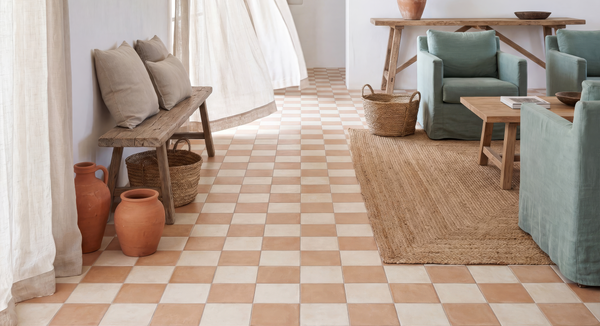
Quarry tile is made from natural clay and is often fired at a higher temperature than ceramic tiles. This process gives quarry tiles their distinctive earthy appearance, usually in shades of red, brown, or gray. Quarry tiles are dense, durable, and typically unglazed, giving them a rustic, matte finish. They are a popular choice for high-traffic areas, such as commercial spaces, kitchens, and outdoor areas.
The unglazed surface of quarry tile means it is more porous than glazed ceramic tile. That texture gives you a bit of extra underfoot grip in damp spots, though it also means the tile needs sealing to protect it from stains and moisture.
Explore Tile Mart's Quarry-Style Collections
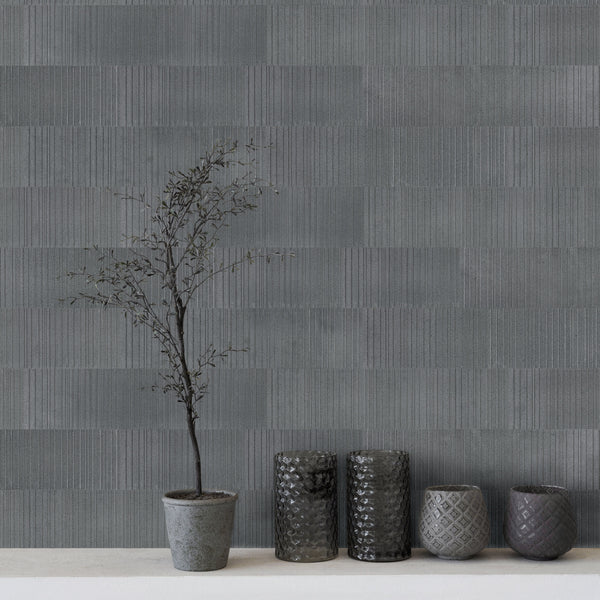
Quarry+ brings a classic earthy matte finish, while Metropolitan offers a honed, industrial-inspired look. Both hold up well in high-traffic spaces.
Shop Quarry+ Shop MetropolitanWhat Is Ceramic Tile?
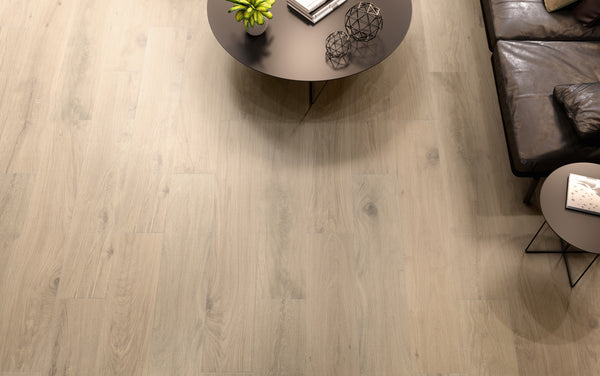
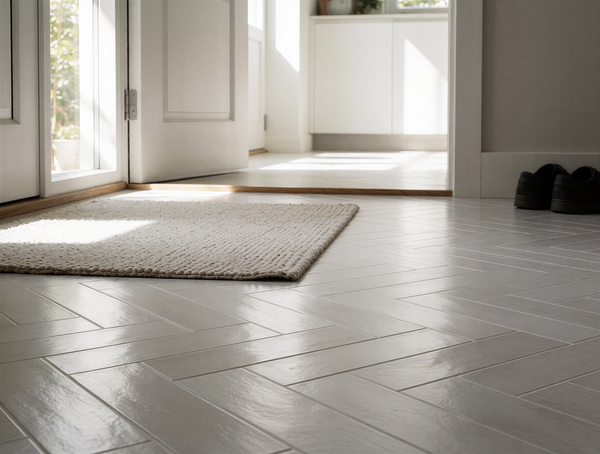
Ceramic tile is made from clay that is shaped and fired at a lower temperature than quarry tiles, which gives ceramic tiles a smoother, more polished surface. Ceramic tiles come in a wide variety of colors, sizes, and finishes, including glazed, matte, and high-gloss options. The glazing process makes ceramic tiles non-porous, providing added protection against moisture and stains.
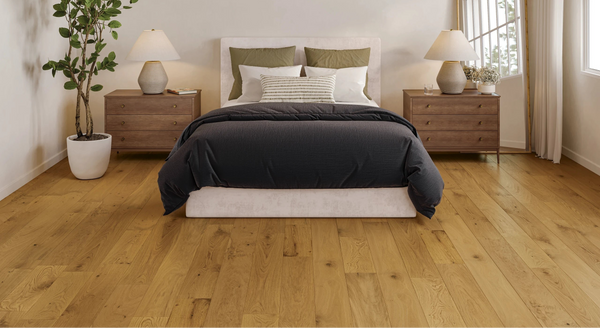
Ceramic tiles are incredibly versatile and can be used in almost any room in the home, from kitchens and bathrooms to living rooms and bedrooms. They offer more design flexibility than quarry tiles, thanks to the availability of a wide range of styles, colors, and patterns.

Ceramic Quarry Tile Flooring
When it comes to ceramic quarry tile flooring, the primary benefit is the durability and strength of the tile. Although ceramic quarry tile flooring is generally considered to be durable, it may not be as strong as regular ceramic tile. Its earthy texture and natural color variations give it a unique, rustic charm, which makes it perfect for spaces like entryways, kitchens, and patios.
However, one downside of ceramic quarry tile flooring is that it is more porous than traditional ceramic tiles. This means it can absorb liquids, which may lead to staining if the tile isn't sealed properly. For this reason, it's important to seal ceramic quarry tile flooring after installation and to reseal it periodically to maintain its appearance.

Quarry Tile Vs. Ceramic Tile: Durability and Performance
Both quarry and ceramic tiles are highly durable, but they perform differently in various settings. Ceramic quarry tile flooring tends to be more durable in terms of resistance to moisture and dirt, thanks to its dense composition. However, unglazed quarry tile can be more prone to staining, which can make maintenance a bit more labor-intensive.
In contrast, glazed ceramic tiles are highly resistant to moisture and stains, which makes them easier to clean and maintain. The glossy surface of ceramic tiles also adds an aesthetic appeal that quarry tiles lack. Ceramic tiles tend to be more resistant to wear and tear, especially in areas with heavy foot traffic. Their smooth surface has a bit less underfoot texture than quarry tile, so they tend to feel most comfortable in drier indoor spaces.
Cost Differences: Quarry Tile Vs. Ceramic Tile
When comparing the costs of quarry and ceramic tiles, quarry tiles tend to be more affordable upfront, especially if you're purchasing them in bulk for larger projects. They are often a cost-effective option for commercial spaces or large residential areas.
However, the cost of installation and maintenance can add up, as quarry tiles require sealing to maintain their functionality and appearance. On the other hand, ceramic tile is available in a broader price range, depending on the style, design, and finish.
Best Uses for Quarry Tile and Ceramic Tile
Both types of tiles excel in different settings, depending on your needs and design preferences. Here's where each type shines:
Quarry Tile
-
Outdoor Areas: Thanks to its non-glazed, textured surface, quarry tile is a strong pick for outdoor patios and walkways, where a bit of extra underfoot grip is welcome.
-
Commercial Kitchens: Quarry tile is a popular choice for commercial kitchens and restaurants because of its durability and ease of cleaning, especially in spaces with heavy foot traffic.
- Rustic or Industrial Design: The natural, earthy look of quarry tiles makes them an excellent choice for rustic or industrial-style interiors, particularly when used on floors or feature walls.
Ceramic Tile
-
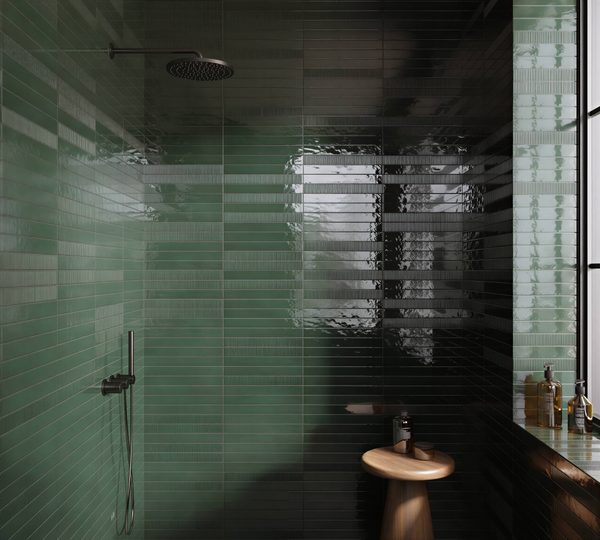
Bathrooms and Kitchens: Ceramic tiles are perfect for areas with high moisture levels, like bathrooms and kitchens. The glazed finish helps protect the tile from water damage and staining.
-
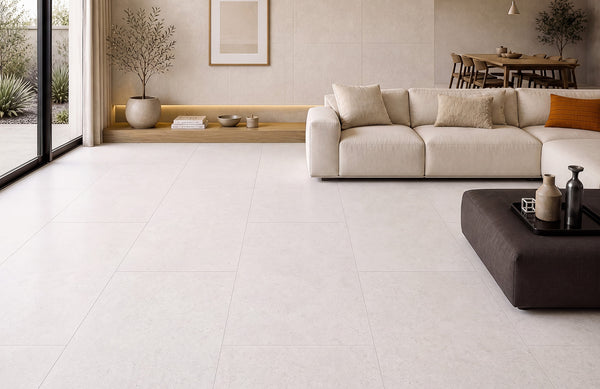
Living Areas: Ceramic tiles are often used in living rooms and bedrooms due to their wide variety of styles and colors, allowing homeowners to customize their space to suit their tastes.
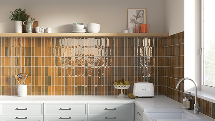
- Backsplashes: Ceramic tiles come in a range of colors and patterns, making them ideal for creating striking backsplashes in kitchens and bathrooms.
Durable and Stylish Ceramic & Quarry Tiles for Every Space at Tile Mart
At Tile Mart, we offer an extensive selection of ceramic tiles and quarry tiles to meet your design and functionality needs. Whether you're renovating your kitchen, bathroom, or outdoor space, our tiles offer durability, style, and ease of maintenance.
Shop our ceramic tiles and quarry tiles today and take advantage of our sample program, flat-rate shipping, and exclusive trade discounts to find the perfect tile for your project.