





Education

Flooring and wall surfaces take a lot of abuse. Foot traffic, spills, dropped pans, and daily cleaning all test the limits of any material. If you are stuck deciding between ceramic tile vs. stone tile, it helps to look past the surface and see how each one holds up where it counts.
Quick Summary
Ceramic and stone tile both offer long-term durability, but they perform differently in everyday use. Ceramic typically requires less maintenance and provides strong resistance to stains, moisture, and surface wear, making it a practical choice for busy households. Natural stone delivers unique character and timeless appeal but generally demands more upkeep to preserve its appearance. The best option depends on your priorities, budget, and willingness to maintain the material over time.
At Tile Mart, we carry a wide range of both ceramic and natural stone, so we get this question a lot. Let's walk through the key differences and see which material fits your home and lifestyle best.
Explore Tile & Stone at Tile Mart
How Each Material Is Made
Knowing how these tiles come to life helps explain why they behave differently in your home.
Ceramic tile starts as a mix of clay and natural minerals. The mixture is shaped, coated with a glaze, and fired in a kiln at high heat. The glaze creates a hard, non-porous shell that blocks moisture and stains. This top layer also carries the color and pattern you see.

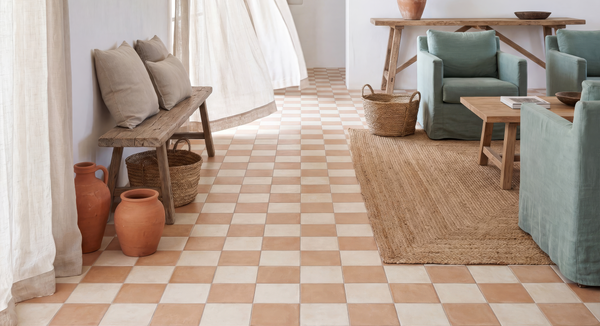
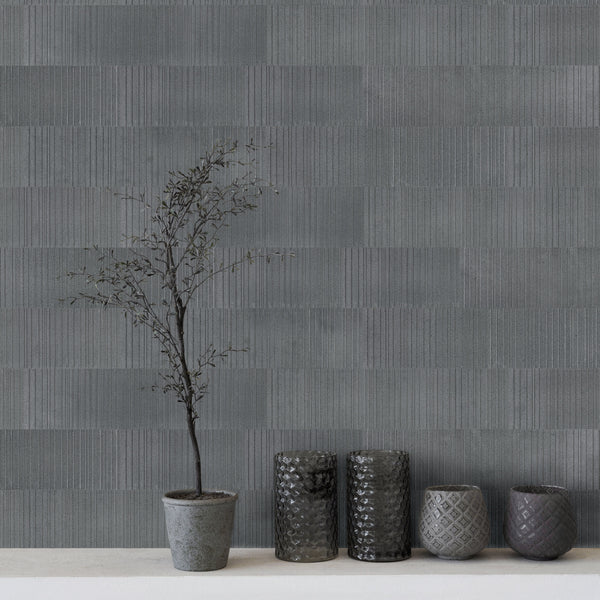
Mallorca Grey 4X4 Matte Ceramic Tile — browse the Mallorca collection
Stone tile is cut straight from the earth. Marble, granite, slate, and limestone form over thousands of years under intense heat and pressure. Each slab has unique veins, swirls, and color shifts. No two stone tiles look exactly the same. Unlike ceramic, most stone is porous to some degree and needs sealing to keep moisture out.
Scratch Resistance And Surface Hardness
Day-to-day life can be tough on floors and counters. Pets, chairs scraping across the room, and sandy shoes all leave their mark over time.
Glazed ceramic holds up well against scratches. The fired glaze is hard and does not scuff easily under normal use. You would need something very sharp and a lot of force to leave a visible scratch on a quality ceramic tile.
Stone varies by type. Granite is extremely hard and resists scratches well. Marble and limestone are softer and can show scratches and etches, especially from acidic spills or abrasive cleaners. A cutting board and felt pads under furniture go a long way with stone surfaces.
If scratch resistance is your top concern, glazed ceramic offers consistent performance across the board.
Water, Stains, And Moisture
Kitchens, bathrooms, and entryways all face moisture daily. How a tile handles water matters a lot.
Ceramic tile with a proper glaze is almost waterproof. The surface repels water and resists stains from coffee, wine, and cooking oils. Spills can sit for a bit without soaking in, which gives you time to wipe them up.
Stone is naturally porous. Even dense stones like granite have tiny openings that can absorb liquids. A spilled glass of red wine or a splash of tomato sauce can leave a lasting stain if the stone is not sealed correctly. Stone needs a quality sealer applied during installation and re-sealing every year or so to keep its defenses strong.
For worry-free moisture protection, ceramic is the simpler choice. Stone works beautifully, but it asks for more attention over time.
Handling Heavy Foot Traffic
High-traffic areas like hallways, mudrooms, and open-plan living spaces put tile to the test.
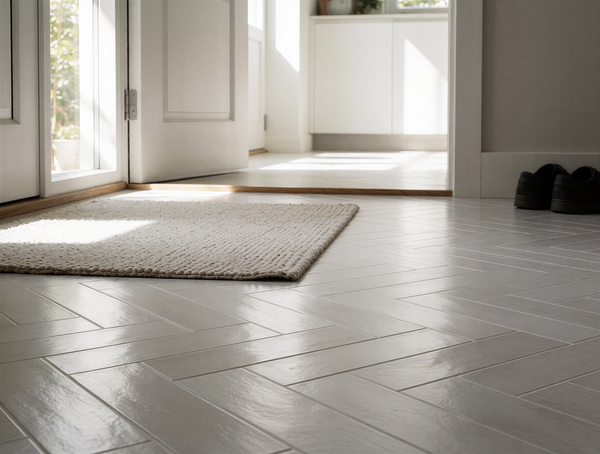
Ceramic handles busy homes well. The surface resists wear, and the color runs through the glaze rather than sitting on top. Even after years of footsteps, a good ceramic floor keeps its look with basic care.

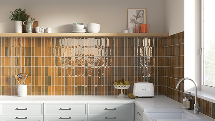
Basics Black 3X12 Glossy Ceramic Subway Tile — browse the Basics collection
Stone also performs well under heavy use, but it ages differently. Softer stones like travertine develop a natural patina over time. Some people love this lived-in look. Others find it looks worn. Harder stones like granite stay closer to their original finish but can still show scuffs in high-sun areas if the finish fades.
Both materials can last decades. The difference lies in how they age. Ceramic holds its factory finish. Stone evolves with your home.
Upkeep And Day-To-Day Care
Cleaning routines differ more than you might expect.
Ceramic tile asks for very little. Sweep or vacuum to grab dust. Mop with warm water and a mild cleaner. The glaze does the heavy lifting. Grout lines need sealing once a year to resist stains, but the tile itself is maintenance-free.
Stone needs more care. Harsh cleaners, vinegar, and even lemon juice can damage softer stones. You need pH-neutral cleaners made for natural stone. Spills should be wiped up quickly. As mentioned, sealing is not a one-time job. It repeats every 12 to 18 months depending on the stone and how much use the area sees.
If low maintenance is high on your list, ceramic pulls ahead. If you enjoy caring for natural materials and want the character that comes with them, stone is worth the effort.
Cost At A Glance
Budget often plays a role in the final decision. Here is a quick breakdown.
Ceramic Tile
Material costs are lower on average. Installation is straightforward, which keeps labor costs down. DIY-friendly options can save even more. You get a durable, good-looking surface at a fair price.
Stone Tile
Natural stone costs more per square foot. Installation takes more skill and time, so labor costs run higher. The stone itself, plus sealing products and yearly upkeep, add to the long-term total. It is an investment that pays off in a unique, high-end look.
Style And Long-Term Value
Both materials bring distinct visual appeal.
Ceramic offers near-endless variety. It can mimic wood grain, concrete, fabric, and yes, even natural stone. Colors, patterns, and finishes cover the full spectrum. If you want a specific look, chances are a ceramic tile exists to match it.
Stone gives you something no factory can duplicate: nature's hand. Veins, fossils, mineral deposits, and color shifts make each tile one of a kind. That uniqueness adds a sense of luxury and permanence to a home.

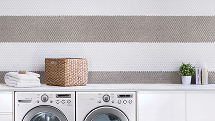
Monet White Carrara 2X8 Honed Marble Subway Tile — browse the Monet collection
In terms of resale value, both can help. A well-installed tile floor looks polished and lasts. Stone often appeals to buyers looking for premium finishes, while ceramic appeals to those who value easy upkeep.
Ceramic vs. Stone At A Glance
| Ceramic Tile | Natural Stone | |
|---|---|---|
| Scratch resistance | Consistently hard, fired glaze resists scuffs | Varies: granite is hard, marble/limestone scratch and etch more easily |
| Water/stain resistance | Nearly waterproof glaze, low stain risk | Naturally porous, needs sealing to resist stains |
| Maintenance | Sweep and mop, grout sealed yearly | pH-neutral cleaners, resealing every 12-18 months |
| Cost | Lower material and labor cost | Higher material, labor, and long-term upkeep cost |
| Best for | Busy kitchens and baths, budget-conscious projects | A luxury, one-of-a-kind look for those willing to maintain it |
Making Your Choice
The right pick depends on what you value most. Here is a simple way to decide.
Go with ceramic if you want:
- Strong scratch and stain resistance
- Simple, low-cost upkeep
- A wide range of styles at a budget-friendly price
- A worry-free surface for busy kitchens and bathrooms
Go with stone if you want:
- Natural, one-of-a-kind beauty
- A high-end, luxury feel
- A surface that ages with character
- You are willing to invest time and money in sealing and gentle cleaning
At Tile Mart, we help our customers find the right surface for their space, whether that means durable ceramic or character-rich natural stone. Both have a place in a well-designed home. The best choice is the one that fits how you really live.
FAQs
Which is more durable, ceramic or stone?
Both are durable in different ways. Glazed ceramic resists scratches and stains better. Stone handles heavy impact well but can scratch or stain if not sealed and cared for properly.
Does stone tile add more home value than ceramic?
Stone is often seen as a premium finish and may appeal to certain buyers. Ceramic still adds value, especially in high-traffic or wet areas where low upkeep is a selling point.
Can I install ceramic tile over old stone?
It depends on the condition of the stone. The surface must be clean, level, and stable. A professional can check if your existing floor is a good base for new ceramic tile.
How long does each material last?
Both can last decades with proper care. Ceramic keeps its factory finish. Stone develops a natural patina over time. Your preference for a like-new look or an aged look should guide you.