


What’s The Cost To Install Ceramic Tiles?

The cost of installing ceramic tile is one of the most significant factors to consider when planning a renovation or new construction project. Whether you're updating your kitchen floor, designing a modern shower surround, or enhancing an entryway, ceramic tile remains a popular choice due to its durability, low maintenance, and versatile style options.
But what is the real price for ceramic tile installation, and what factors can cause the cost to vary? Understanding these details can help you plan your project confidently and avoid unexpected surprises.
The national average for ceramic tile installation ranges between $7 and $25 per square foot. This estimate includes both the price of the tile itself and the cost of labor. However, depending on your tile selection, room size, preparation requirements, and installer rates, your final price could land outside this range. A clear understanding of these variables will allow you to budget wisely and make informed design choices.
Understanding the Cost Breakdown
When calculating the price for ceramic tile installation, it is helpful to break the project down into two main parts: materials and labor. Material costs refer to the ceramic tiles themselves, along with related supplies like mortar, grout, sealers, spacers, and trim pieces. Labor refers to the work done by a professional installer to lay and finish the tile.
Basic ceramic tile usually costs between $1 and $5 per square foot. These tiles are often available in neutral colors and classic shapes, making them an economical choice for large surface areas. If you choose designer or high-end ceramic tiles, you may see prices rise to $10 or even $15 per square foot. Specialty finishes, patterns, or hand-painted designs can add to the overall expense.
Labor costs often range from $4 to $15 per square foot, depending on your location and the complexity of the job. A simple installation on a clean, level surface will fall on the lower end, while projects involving uneven floors, intricate tile layouts, or tight spaces will increase labor time and cost. Additional charges may apply for removing old flooring, leveling subfloors, or installing waterproofing membranes in areas prone to moisture, such as bathrooms or laundry rooms.

How Room Type Impacts the Total Cost
Different rooms present different challenges, which can impact the overall cost of ceramic tile installation. Kitchens and bathrooms, for instance, often involve more cutting and detailed layout around cabinets, appliances, plumbing fixtures, and outlets. These tasks require extra time and precision, which increases the labor cost.
Installing tile in an open living area or hallway may be more straightforward, especially if the surface is flat and there are few obstacles to work around. This type of job may allow installers to work more efficiently, lowering the cost per square foot. That said, the presence of stairs, transitions to other flooring types, or unusual angles can still add complexity even in seemingly simple rooms.
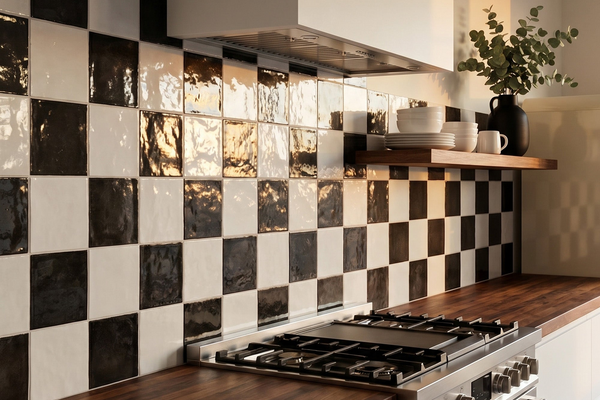
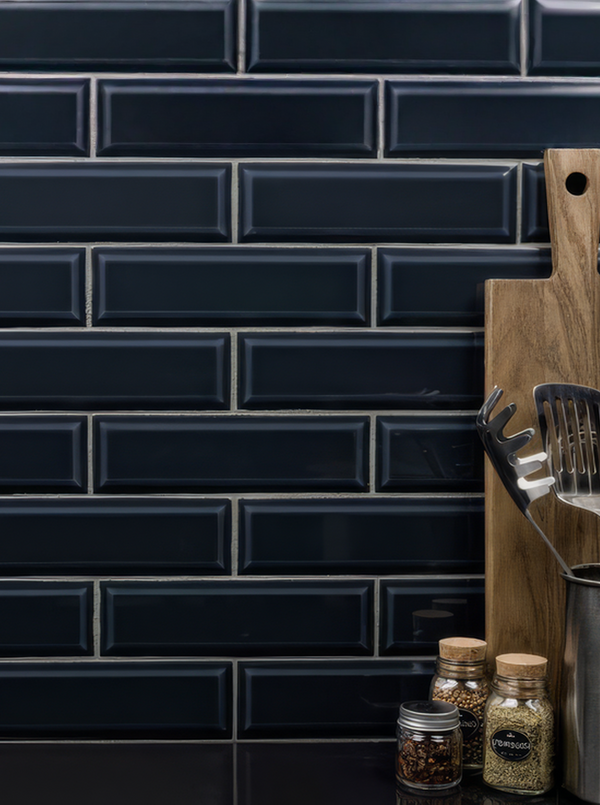
Additionally, vertical installations, such as shower walls or accent backsplashes, may require different tools and techniques compared to floor tiling. These applications can involve greater attention to detail and more labor hours, particularly when working with smaller or decorative tiles.

The Role of Tile Size and Layout
The dimensions and shape of your ceramic tile play a surprising role in the final installation cost. Large-format tiles, such as 24-by-24-inch squares or plank-style options, can quickly cover a larger surface area and reduce the number of grout lines. However, they also require a perfectly level subfloor and greater care during placement, which can add time to the job.
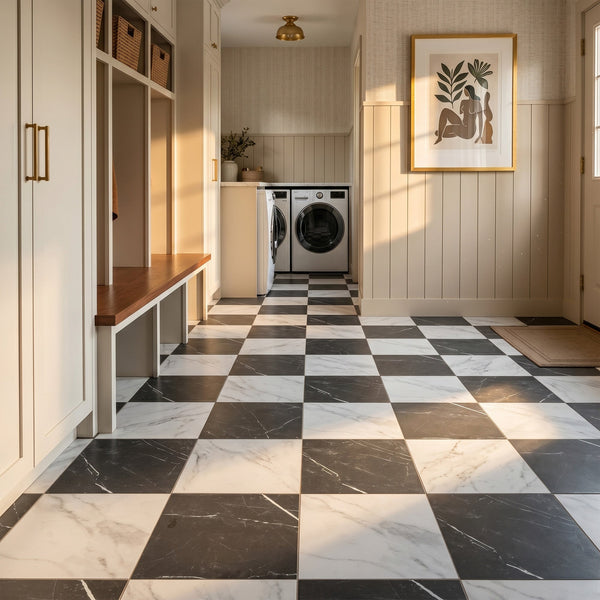
Smaller tiles, such as mosaics or traditional 4-by-4-inch squares, require more individual handling and precise alignment. The installer must ensure consistent spacing and grouting throughout the surface, which increases labor time and cost. Intricate layouts, such as herringbone, basketweave, or diagonal patterns, can also increase installation costs due to the precision and additional cuts required for their implementation.
If you opt for a custom design or use multiple tile shapes or colors in one area, expect to pay more for both materials and labor. These detailed jobs take longer to complete and require greater expertise.
Subfloor and Surface Preparation
The condition of your existing floor or wall has a major impact on the cost of installing ceramic tile. A clean, smooth, and level subfloor is ideal, allowing the tile to be laid directly with minimal preparation. If the installer encounters issues such as uneven surfaces, moisture problems, or existing materials that need to be removed, the cost will increase accordingly.
Removing old flooring materials such as vinyl, carpet, or existing tile adds time and labor. Subfloor repairs or reinforcement may be necessary if there are soft spots, slopes, or damage. In bathrooms and other wet areas, additional steps such as installing a waterproof backer board or applying a moisture barrier membrane may be necessary to ensure long-term performance and code compliance.
These tasks may add several hundred dollars to the project, depending on the scope of work and the square footage involved. While they add to the upfront cost, proper preparation ensures a longer-lasting and safer installation.
Additional Cost Factors
Some ceramic tile installations include additional features that impact the total price. For example, installing heated flooring underneath ceramic tile is becoming a popular option in bathrooms and kitchens. While radiant heating increases comfort, it also requires electrical components, special underlayment, and additional installation time, which can add $5 to $15 per square foot to the overall cost.
Trim pieces and transitions are also worth factoring into your budget. Edging, bullnose tiles, and thresholds help create a clean, professional finish where tile meets other flooring or fixtures. These pieces are typically priced higher per unit than standard field tiles.
You may also encounter delivery charges for bulk tile orders, particularly for specialty or custom items. Some suppliers offer free delivery with minimum purchases, while others charge based on distance or weight. Be sure to confirm shipping costs in advance, especially if you’re ordering from an online retailer or planning a large-scale renovation.
DIY vs. Professional Installation
For homeowners hoping to reduce costs, DIY installation may seem appealing. Doing the work yourself can eliminate labor expenses and allow for greater flexibility in scheduling. However, tiling is a skill that requires accuracy, patience, and specialized tools. Even a small mistake can compromise the finished look or lead to costly repairs.
Professional installers bring expertise, efficiency, and access to the right equipment. They also know how to properly assess subfloors, align tiles evenly, and apply grout for a seamless finish. If you're working with expensive tiles, challenging layouts, or areas prone to moisture, hiring a professional can help ensure that your investment lasts for years to come.
Before deciding, consider the scale of your project, your comfort level with power tools and layout math, and the importance of a high-end finish. In many cases, the peace of mind and time savings offered by a skilled installer justify the added expense.
Budgeting for Your Project
The best way to plan for ceramic tile installation is to start with accurate measurements and clear expectations. Calculate the square footage of your project area and add 10-15% for waste and future repairs. Research tile styles, brands, and price points, then request multiple estimates from professional installers to compare rates and service quality.
Consider the entire scope of your project, including surface preparation, transitions, trim, and underlayment. Determine whether you need additional features, such as radiant heating or waterproofing, and factor those costs into your total. Building a small contingency budget can also help cover unexpected expenses during the process.
Proper budgeting not only keeps your project on track but also ensures you achieve the desired look and performance without compromising on quality.

Get Started on Your Next Project with Tile Mart
At Tile Mart, we understand that understanding the costs of ceramic tile installation can make all the difference in planning a successful renovation. From selecting the right tile to coordinating every element of the installation, we’re here to make the process smooth, transparent, and rewarding.
With a wide selection of ceramic tile styles, fast delivery, and competitive pricing, we provide everything you need to bring your vision to life. Whether you're doing it yourself or hiring a professional, we’re ready to support you every step of the way with expert guidance and premium products that help you achieve a beautiful and lasting result.