


Education
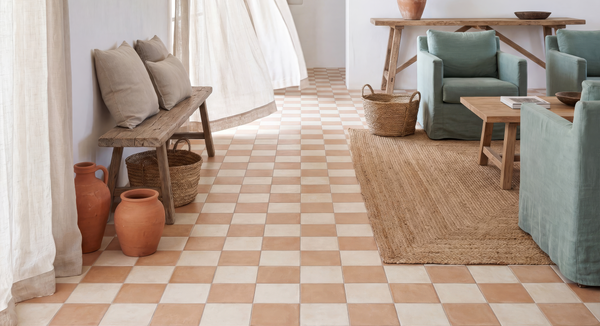
Encaustic tiles are patterned tiles with bold color and design built into the tile itself, not printed on top, giving them a depth and richness that flat, single-color tile can't match. Our encaustic tiles collection is part of a much wider range of patterned tiles built for exactly this kind of statement-making design. Whether you are renovating your kitchen or designing an outdoor area, encaustic tiles can create an unforgettable atmosphere.

The History of Encaustic Tiles
Encaustic tiles originated in medieval times and gained widespread popularity during the 19th century. The term "encaustic" refers to the method of incorporating pigments into the clay body, giving the tiles their distinctive patterns. This technique allowed artisans to create intricate, durable designs that have stood the test of time.
In the past, encaustic tiles were handcrafted, with artisans carefully layering different colored clays. Each tile was unique, showcasing the artistry of its maker. While modern encaustic tiles are often mass-produced, they still retain the same timeless beauty that made them a popular choice in historic architecture.
Today, encaustic tiles are manufactured using advanced techniques but are still considered a symbol of craftsmanship and artistic expression. They remain popular in both traditional and contemporary designs, bringing a touch of history to modern interiors. Their ability to blend into various styles makes them relevant in today's design projects.
Design Versatility of Encaustic Tiles
One of the key attractions of encaustic tiles is their wide range of patterns and colors. From geometric designs to more elaborate motifs, there is a tile for every taste and style. Whether you prefer a bold statement piece or a more subtle accent, encaustic tiles can cater to your design preference.

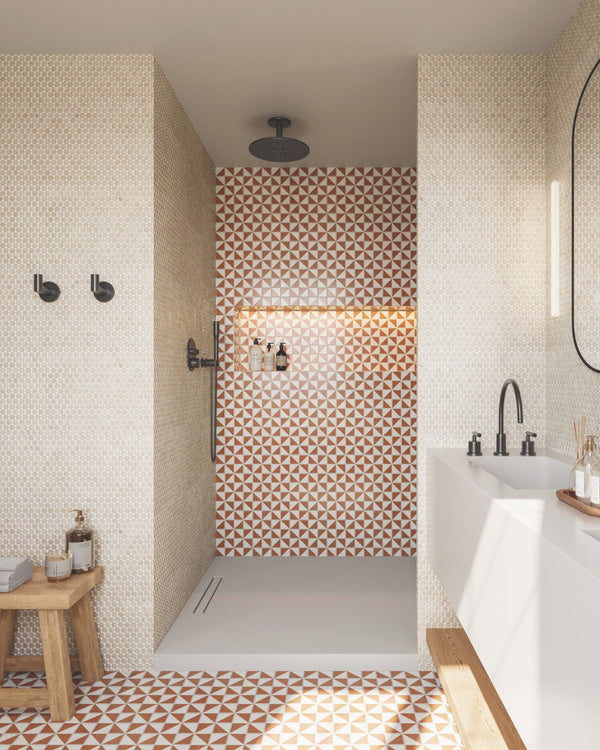
Shown here: Frame 15 Star B&W, part of our Frame 15 collection of graphic, high-contrast patterns.
Encaustic tiles are also versatile in their application. They can be used for floors, walls, backsplashes, and even outdoor areas. Their ability to adapt to different settings makes them an excellent choice for kitchens, bathrooms, and living rooms, as well as outdoor patios and entryways.
These tiles also lend themselves well to combining with other materials. When paired with either wood, metal, or stone, encaustic tiles add texture and depth to any design. Their bold patterns can serve as a focal point or complement other elements in the space, offering endless possibilities for creative expression.
Durability and Maintenance of Encaustic Tiles
Encaustic tiles, particularly porcelain encaustic tiles, are known for their durability. They are suitable for high-traffic areas, such as hallways, kitchens, and bathrooms, thanks to their resistance to wear and tear. Their design extends through the full thickness of the tile, meaning that even if the surface gets scratched, the pattern will not fade.
Proper sealing is needed to maintain the integrity of encaustic tiles. Sealing helps protect them from stains and makes sure that their vibrant colors remain intact over time. With regular cleaning and maintenance, encaustic tiles can last for decades, making them a valuable investment in any home.
In areas prone to moisture, such as bathrooms and outdoor spaces, it is important to seal encaustic tiles well to prevent water absorption. A well-maintained encaustic tile floor will look fresh and vibrant for years, making it a practical and aesthetic choice for both residential and commercial spaces.
The Environmental Benefits of Encaustic Tiles
Traditional clay and cement encaustic tile is made from natural raw materials and non-toxic pigments, which can make it a lower-impact choice next to some synthetic flooring options. Because true encaustic tile is fired or cured as a solid block of color rather than finished with a printed coating, it does not rely on a chemical topcoat to hold its pattern.
Porcelain encaustic-look tile does not carry the same raw-material story, but its density and resistance to wear mean it rarely needs replacing, which cuts down on the material and labor that go into a floor over its lifetime. Either way, choosing a tile built to last is one of the simpler ways to keep a renovation from generating repeat waste.
Reclaimed and salvaged clay encaustic tile also shows up often in restoration and remodel work, since original tile pulled from older buildings can be cleaned, resealed, and reinstalled rather than discarded. It's worth asking your contractor about if you're working on a historic space.
Timeless Elegance in Modern Interiors
Encaustic tiles are prized for their ability to bring both historical charm and modern sophistication to a space. Their intricate patterns and rich colors make them a striking addition to any room, adding a touch of elegance and artistry.
When you use them on the floor or as a feature wall, encaustic tiles create an atmosphere that feels both timeless and contemporary.

Shown here: Frame 15 Kali Chic, part of our Frame 15 collection.
Incorporating encaustic tiles into modern interiors helps balance traditional craftsmanship with modern design sensibilities. Their versatility allows them to seamlessly integrate into various design styles, from minimalist to eclectic. These tiles add warmth and character, transforming any space into a unique and inviting environment.
The use of encaustic tiles also brings a sense of permanence to a room. Their bold patterns and craftsmanship make them a lasting feature, making them a defining element of the design for years. As such, encaustic tiles are an investment in both style and longevity.
FAQs
What's the difference between encaustic tile and cement tile?
The two terms get used interchangeably, but they're not the same thing. True encaustic tile is made from clay pigments fired in a kiln, while cement tile is made from pigmented Portland cement that's pressed, not fired. Many "encaustic" tiles sold today, including porcelain versions, borrow the look through printing or inlay rather than the traditional clay firing process.
Do porcelain encaustic-look tiles need to be sealed?
Porcelain is far less porous than traditional clay or cement encaustic tile, so it doesn't need the multi-day sealing process cement tile requires before grouting. A quality sealer still helps protect grout lines and preserve color vibrancy over time, especially in wet or high-traffic areas.
Can encaustic tile be used outdoors?
Porcelain encaustic-look tile holds up well outdoors thanks to its density and low water absorption. Traditional cement or clay encaustic tile is more vulnerable to frost and cracking in freeze-thaw climates, so check the material type before specifying it for an unsealed outdoor patio.
How do I clean encaustic tile without damaging the pattern?
Stick to a neutral, pH-balanced cleaner and a soft mop or cloth. Acidic or abrasive cleaners can dull the finish and shorten the tile's lifespan over time, especially on traditional cement-based encaustic tile.
Bring Bold Patterns into Your Home
If you are looking to introduce timeless charm and bold patterns into your home, encaustic tiles are the perfect choice. Their artistic designs and durability make them an excellent option for any space. Remodeling your kitchen, bathroom, or outdoor area? Encaustic tiles offer the versatility and style you need to create a lasting impact.
We carry encaustic and encaustic-look tiles in dozens of patterns and colorways, from bold geometric motifs to intricate florals, so you can find the design that fits your space.
Browse our selection online and discover the perfect encaustic tiles to match your vision. With a variety of styles and patterns to choose from, you are sure to find something that fits your unique taste. For more personalized assistance, contact us today, and our team will help you find the perfect tiles for your next project.