

Education

Introduction
Porcelain tile is usually the better long-term flooring choice for durability, water resistance, and high-traffic areas. Luxury vinyl flooring is often more affordable, softer underfoot, and easier to install. The best choice depends on your budget, room type, installation needs, and how long you want the floor to last.
Quick Answer
Choose porcelain tile if you want a durable, low-maintenance floor for kitchens, bathrooms, entryways, showers, and long-term home value. Choose vinyl tile or luxury vinyl plank if you want a more budget-friendly floor that is softer underfoot and easier to install. For wet areas and heavy daily use, porcelain is usually the stronger choice. For quick updates, rentals, and lower-budget projects, vinyl can be a practical option.
Porcelain Tile vs. Vinyl Tile: Main Differences
Choosing the right floor tile for your home is an important decision. Porcelain and vinyl are both popular choices, but they serve different needs. Porcelain is a hard, dense tile made from refined clay and fired at high temperatures. Vinyl tile and luxury vinyl plank are synthetic flooring products designed to imitate wood, stone, or tile at a lower cost and with easier installation.
If you are remodeling a bathroom, updating a kitchen, replacing entryway floors, or comparing wood look tile against wood look vinyl, this guide will help you choose the right material for your space.
Porcelain vs. Vinyl Tile Comparison
| Category | Porcelain Tile | Vinyl Tile / Luxury Vinyl Plank |
|---|---|---|
| Durability | Very durable and strong for high-traffic spaces | Durable, but more prone to dents, scratches, and wear over time |
| Water resistance | Excellent tile-level water resistance when installed correctly | Many options are waterproof or water-resistant, but seams and subfloor matter |
| Comfort | Harder and cooler underfoot | Softer and warmer underfoot |
| Installation | Usually requires professional installation | Often easier for DIY or faster installation |
| Maintenance | Easy to clean and long-lasting | Easy to clean but may need replacement sooner |
| Best for | Kitchens, bathrooms, showers, entryways, high-traffic areas | Budget updates, rentals, bedrooms, living rooms, quick renovations |
Q: Compare Flooring Options
Browse Tile Mart’s porcelain tiles, luxury vinyl flooring, wood look tiles, and wood and vinyl flooring to compare material, finish, color, and installation needs.
The Look and Aesthetic Appeal
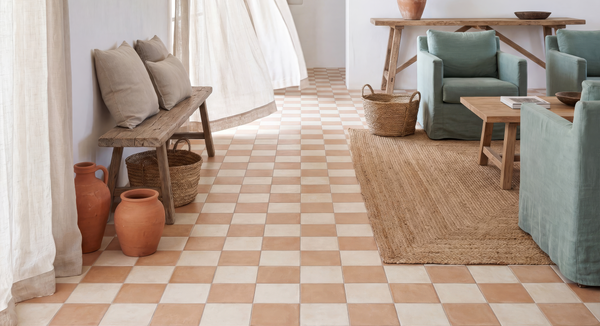
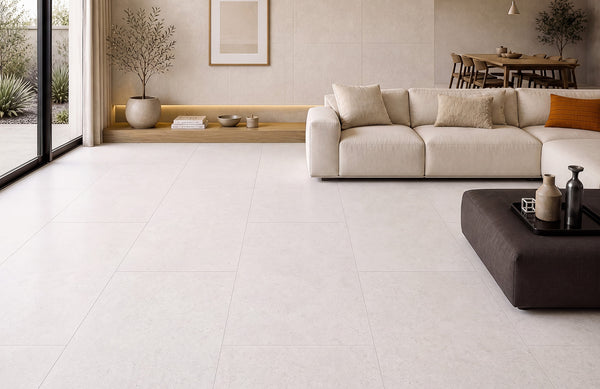
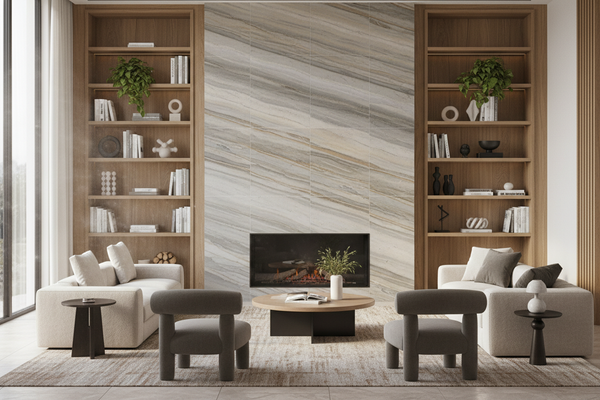
Porcelain tile is often chosen for its premium look. It can resemble natural stone, marble, concrete, or wood while offering the strength of fired tile. Modern porcelain comes in many formats, including large-format tiles, planks, mosaics, and stone-look designs.
Vinyl tile is also versatile and can mimic wood, stone, or ceramic looks. It is a practical option for shoppers who want the appearance of higher-end materials at a lower price point. However, porcelain usually offers more depth, texture, and long-term design value, especially in high-visibility spaces like kitchens, bathrooms, and entryways.
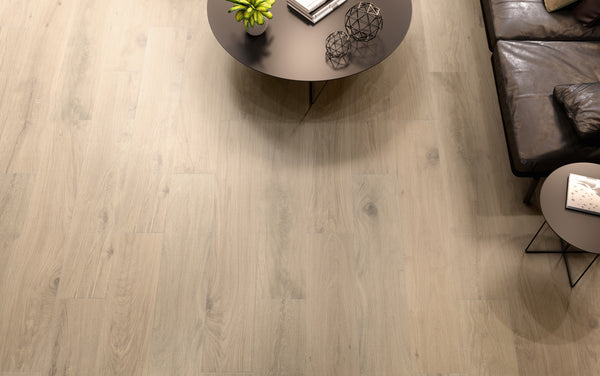
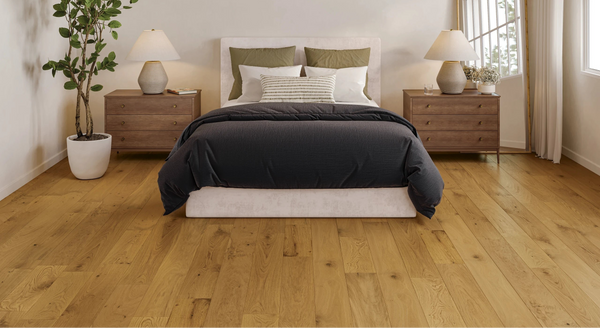
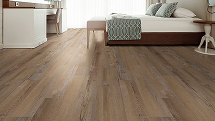
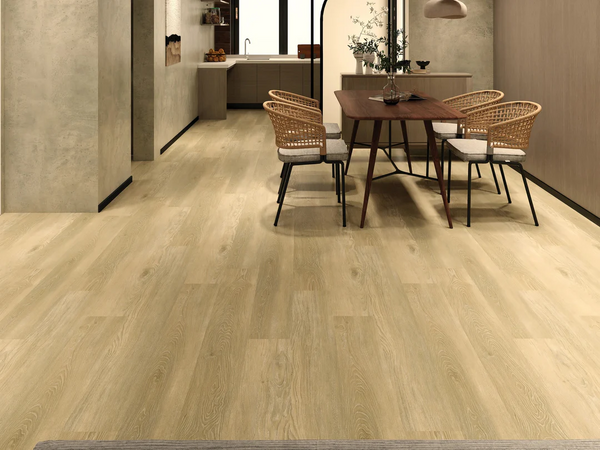
For a wood-inspired look with tile durability, compare wood look porcelain tiles. For a softer and more budget-friendly alternative, browse wood look vinyl.

Durability and Maintenance
Vinyl tile is also easy to maintain, but it is not as hard as porcelain. It can be more vulnerable to dents from furniture, scratches from sharp objects, and wear in busy spaces. Vinyl is easier to replace in some cases, but porcelain usually offers better long-term durability.
For homes with pets, kids, heavy foot traffic, or frequent cleaning needs, porcelain is often the better long-term investment. For low-traffic spaces or faster renovations, vinyl can still be a smart choice.
Cost Considerations
Cost is one of the biggest factors when comparing porcelain tile and vinyl tile. Porcelain usually costs more for both material and installation because it is heavier, harder to cut, and requires more installation skill. The final price depends on the tile size, finish, pattern, room condition, and labor.
Vinyl tile and luxury vinyl plank are usually more affordable upfront. They are also faster to install, which can lower labor costs. For homeowners updating a rental, guest room, or lower-traffic space, vinyl may offer the look they want at a lower starting cost.
The important question is not just the upfront cost. It is also how long the floor will last, how it will perform in the room, and whether replacement may be needed sooner.
Water Resistance and Wet Areas
Porcelain tile performs especially well in wet areas. It is dense, water-resistant, and commonly used in bathrooms, kitchens, laundry rooms, and some shower tile applications. For showers and wet rooms, the tile is only one part of the system. Proper waterproofing, grout, mortar, and installation are still essential.
Many vinyl floors are marketed as waterproof or water-resistant, which can make them appealing for kitchens and bathrooms. However, water can still become an issue at seams, edges, transitions, or damaged areas. In rooms with frequent standing water or heavy moisture, porcelain is usually the more reliable long-term choice.
Installation Differences
Vinyl tile has a clear advantage when it comes to installation speed and simplicity. Depending on the product, it may use adhesive, peel-and-stick backing, or a click-lock system. This makes vinyl more approachable for DIY projects and faster renovations.
Porcelain tile installation is more involved. It requires proper subfloor preparation, thinset mortar, spacers, tile cutting, grout, and curing time. Because porcelain is hard and heavy, professional installation is often recommended, especially for large-format tiles, plank tiles, bathrooms, showers, and patterned layouts.
Comfort and Sound
Vinyl tile is softer and warmer underfoot than porcelain. This can make it more comfortable in bedrooms, living rooms, and spaces where people stand for long periods. Vinyl may also feel quieter underfoot depending on the product and underlayment.
Porcelain tile is harder and cooler, which some homeowners love for a clean, solid feel. In colder climates, porcelain can be paired with radiant floor heating for added comfort. This is one reason porcelain remains popular in bathrooms and high-end floor installations.

Long-Term Value
Porcelain tile usually offers stronger long-term value because it can last for decades with proper installation and care. It resists moisture, wear, and everyday cleaning better than many softer flooring materials. Its timeless look can also make it appealing for kitchens, bathrooms, and main living areas.
Vinyl tile can be a cost-effective update, but it may need replacement sooner in high-traffic areas. It can also be more vulnerable to dents, scratches, fading, or edge damage depending on the product and installation conditions.
If your priority is long-term performance, porcelain is usually the better choice. If your priority is quick installation and a lower upfront cost, vinyl may be the better fit.
Temperature and Radiant Heating
Porcelain tile is stable under temperature changes and works well with radiant floor heating systems when installed correctly. It does not expand and contract the same way some flexible flooring materials can.
Vinyl can be more sensitive to temperature changes depending on the product. Heat, direct sunlight, or poor installation conditions may cause some vinyl floors to expand, contract, or separate. Always check the manufacturer’s installation guidelines before using vinyl in sun-heavy rooms or over radiant heating.
Slip Resistance
Both porcelain and vinyl can be made with textured or matte finishes that improve traction. For wet areas, do not choose based on material alone. Check the product’s finish, application rating, and slip-resistance information.
Matte or textured porcelain tile is a strong choice for bathrooms, entryways, kitchens, and shower-adjacent areas. Glossy tile is usually better suited for walls unless the product is rated for floor use. Vinyl can also offer good traction, but glossy or worn surfaces may become slippery when wet.
Environmental Considerations
Porcelain tile is made from natural raw materials and has a long service life, which can reduce replacement frequency over time. Production can be energy-intensive, but durability is one of porcelain’s strongest sustainability advantages.
Vinyl flooring is made from synthetic materials and may have different environmental considerations depending on the product, manufacturer, and recycling options. If sustainability is a priority, compare product certifications, material transparency, and expected lifespan before choosing.
Which Flooring Should You Choose?
Both porcelain tile and vinyl tile can be good choices, but they serve different priorities.
-
Choose porcelain tile if you want: maximum durability, strong water resistance, a premium look, long-term value, and a floor that can handle heavy use. -
Choose vinyl tile if you want: lower upfront cost, easier installation, softer comfort underfoot, and a quick update for lower-traffic spaces.
For bathrooms, kitchens, laundry rooms, showers, entryways, and high-traffic floors, porcelain is usually the stronger long-term option. For budget-friendly renovations, rentals, bedrooms, or fast updates, vinyl may be the better fit.

Shop Porcelain and Vinyl Flooring at Tile Mart
Explore Tile Mart’s porcelain tile collection for durable floor and wall options in wood-look, stone-look, marble-look, and modern formats. You can also browse luxury vinyl flooring, wood look vinyl, wood look tiles, and floor tiles to compare style, comfort, cost, and long-term performance.
Before committing to a full order, get samples to compare color, texture, finish, and feel in your own lighting.
Frequently Asked Questions
Is porcelain tile better than vinyl tile?
Porcelain tile is usually better for durability, water resistance, and long-term value. Vinyl tile is often better for lower budgets, softer comfort, and faster installation.
Is vinyl tile waterproof?
Many vinyl flooring products are waterproof or water-resistant at the product level, but installation details still matter. Water can become an issue at seams, edges, transitions, or damaged areas.
Is porcelain tile good for bathrooms?
Yes. Porcelain tile is one of the best choices for bathroom floors and walls because it is dense, durable, and water-resistant when installed correctly.
Which is easier to install, porcelain or vinyl?
Vinyl is usually easier and faster to install. Porcelain requires more tools, surface prep, cutting, mortar, grout, and installation skill.
Which flooring lasts longer, porcelain or vinyl?
Porcelain tile usually lasts longer when installed and maintained properly. Vinyl can perform well, but it is more likely to show wear or need replacement sooner in high-traffic areas.