




Education

Tile performance shapes how a space feels and functions long after installation day. Homeowners and professionals often ask, are Daltile tiles good quality, especially for areas that face daily wear. Known across residential and commercial projects, Daltile tiles appear in kitchens, bathrooms, entryways, and retail floors nationwide. Their reputation comes from consistent manufacturing standards, wide design availability, and surfaces built for repeated use.
Understanding how these tiles perform, age, and adapt across spaces helps buyers make informed decisions before committing to a finished surface.
Understanding Daltile Tile Construction and Materials
Daltile manufactures ceramic, porcelain, quarry, and natural stone tile collections. Porcelain and ceramic lines form the backbone of their offerings. These tiles feature dense bodies fired at high temperatures, resulting in strong resistance to moisture, surface wear, and everyday impacts. Porcelain options carry low water absorption rates, making them suitable for kitchens, bathrooms, and other moisture-prone interiors.
Ceramic tiles lean toward walls and lighter floor use, offering decorative flexibility through color, texture, and pattern variation. Quarry tiles and select stone collections address heavier traffic needs when paired with proper installation methods and routine care.

Durability in Real-World Settings
Durability remains one of the most discussed qualities tied to Daltile products. Porcelain tiles resist scratches, stains, and dents common in busy households with pets or children. Many collections meet or exceed industry wear ratings for residential and light commercial floors.
In commercial interiors, Daltile tiles handle consistent foot traffic when installers follow substrate preparation and layout guidelines. Natural stone options require sealing but perform well when maintained correctly. Long-term performance depends on correct placement, grout choice, and cleaning habits rather than the tile body alone.

Design Range and Visual Flexibility
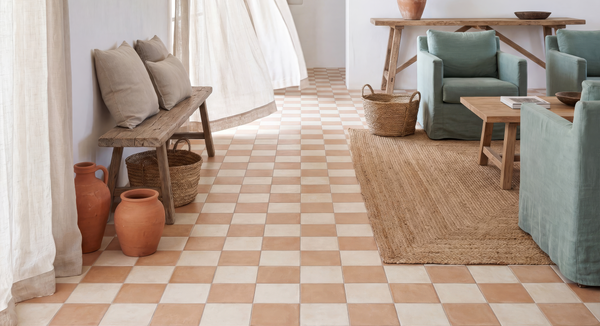
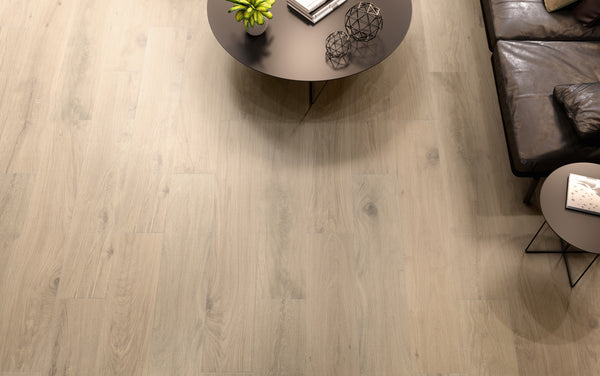
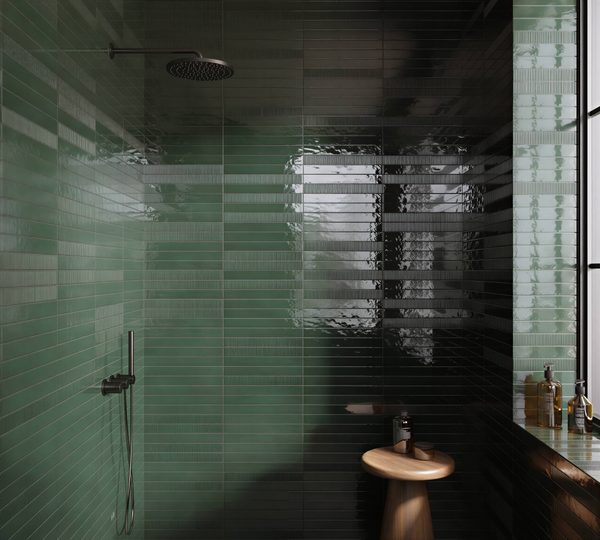
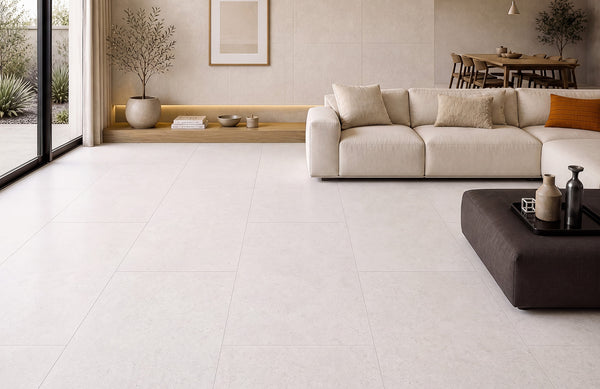
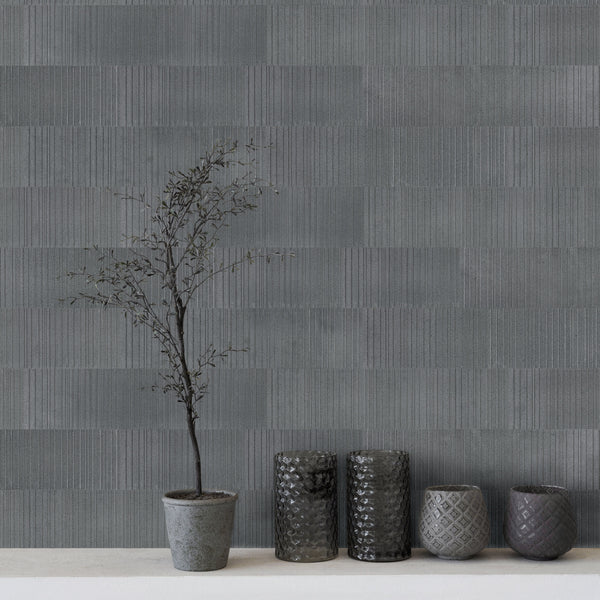
Design variety stands out as a major reason buyers gravitate toward Daltile. Collections range from classic subway formats to large-scale slabs and detailed mosaics. Neutral palettes blend easily into modern interiors, while textured finishes and bold colors suit statement walls or feature zones.
Rectified edges allow tighter grout lines for contemporary layouts, while patterned ceramics introduce visual depth without overwhelming a room. Many homeowners explore multiple styles through curated tile collections available online before narrowing selections for final installation.
Slip Resistance and Safety Considerations
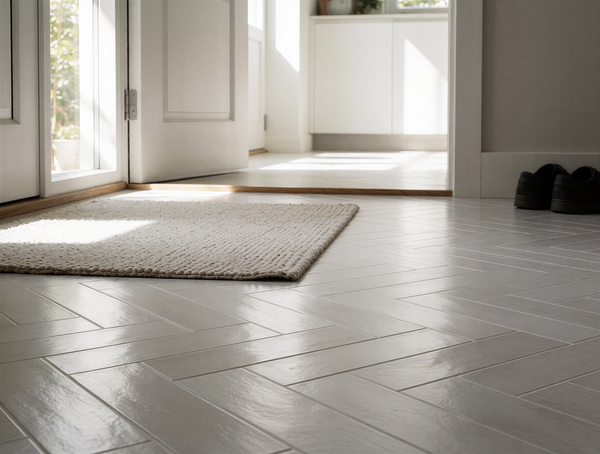
Slip resistance plays a growing role in tile selection. Several Daltile collections incorporate textured surfaces designed for improved traction in wet or high-traffic areas. These finishes work well in entryways, bathrooms, and commercial corridors where safety and surface stability matter.
Understanding where slip resistance matters most helps guide proper product selection. Smooth polished finishes suit walls and low-traffic zones, while textured or matte surfaces perform better under frequent foot traffic.

Maintenance Expectations Over Time
Routine care for Daltile tiles remains straightforward. Porcelain and glazed ceramic tiles respond well to warm water and mild cleaners. These surfaces resist staining without special treatments, making them practical for daily living spaces.
Natural stone tiles demand sealing and periodic resealing to maintain surface integrity. Grout maintenance plays a key role across all tile types, as grout absorbs moisture and debris faster than tile bodies. With proper upkeep, surfaces retain appearance and performance for many years.
Installation Quality and Project Outcomes
Tile quality and installation quality work together. Daltile tiles feature consistent sizing across boxes, simplifying layout and alignment during installation. This consistency reduces layout challenges for professionals and experienced DIY installers.
Substrate preparation, mortar selection, and grout spacing influence final results more than tile brand alone. Large-format tiles require flat surfaces and leveling systems to avoid lippage. When installed correctly, these tiles deliver clean lines and stable performance across floors and walls.

Cost Considerations and Long-Term Value
Daltile tiles cover a wide price range depending on material type, finish, and size. Ceramic wall tiles remain accessible, while large-format porcelain and natural stone lines command higher investment. The value lies in predictable quality and consistent availability, which helps avoid delays or mismatched batches during installation.
Long-term cost reflects durability, ease of care, and replacement frequency. Tiles that resist wear reduce the likelihood of early replacement, making them a practical choice for high-use spaces.

What Buyers Should Evaluate Before Purchasing
Before selecting Daltile tiles, buyers benefit from reviewing wear ratings, slip resistance classifications, and recommended applications. Testing samples under actual lighting conditions helps reveal surface texture and color variation. Matching tile choice to room function leads to better long-term satisfaction.
Consulting with tile specialists early in the process helps align design preferences with performance expectations. Access to samples and technical details simplifies decision-making for both residential and commercial projects.
Start Your Tile Project With Tile Mart
At Tile Mart, we guide customers through tile selection with clear insight into performance, layout, and finish behavior. Our online platform makes it easy to compare materials, order samples, and plan projects with confidence. From first ideas to final delivery, we help you choose tiles that match how your space works and looks.
Contact us to start planning your next tile project.
