




Education

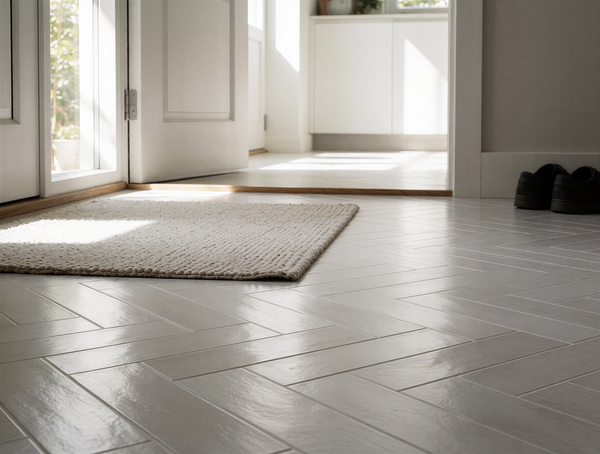
A mudroom is often the first interior space exposed to wet shoes, dirt, sand, pet traffic, and outdoor gear. In colder climates, the floor may also encounter melting snow and de-icing salt. The right mudroom tile should be durable, easy to clean, and appropriate for areas that may become wet.
The best mudroom tile ideas balance practical specifications with a style that complements the rest of the home. Before choosing a color or pattern, confirm that the product is approved for floors and suitable for the expected traffic and moisture. Browse Tile Mart's floor tile collection to compare porcelain, ceramic, stone, and mosaic options.
Why Tile Works Well in a Mudroom
Tile is a practical mudroom flooring option because many products can withstand moisture, frequent cleaning, and the abrasive dirt carried indoors on shoes. Porcelain is usually the strongest all-around choice because it is dense and has a water absorption rate of 0.5% or less. Ceramic and natural stone may also work, but their performance and maintenance requirements vary by product.
Finish matters just as much as material. Matte and lightly textured surfaces are generally more practical near an exterior door than highly polished tile. However, texture alone does not prove that a tile is suitable for wet floors. Review the product's wet DCOF rating and approved applications before ordering.
What to Look for When Selecting Mudroom Tile
Start by confirming that the tile is rated for residential floor use. Wall-only tile should not be installed on a mudroom floor. For a level interior floor that may become wet, a wet DCOF of 0.42 or greater is a commonly referenced starting point. DCOF does not make a tile slip-proof, so standing water, cleaning residue, footwear, and maintenance must also be considered.
Color and pattern influence how the floor looks between cleanings. Light grout tends to show mud and dark grit, while very dark grout can make dried salt residue more noticeable. A medium gray, taupe, or other mid-tone grout is often more forgiving. Varied tile patterns can also help disguise dust and small marks.
Tile size affects maintenance and installation. Large-format tile creates fewer grout joints but requires a sufficiently flat substrate. Smaller tiles and mosaics introduce more grout joints and visual detail, but they also require more grout cleaning.

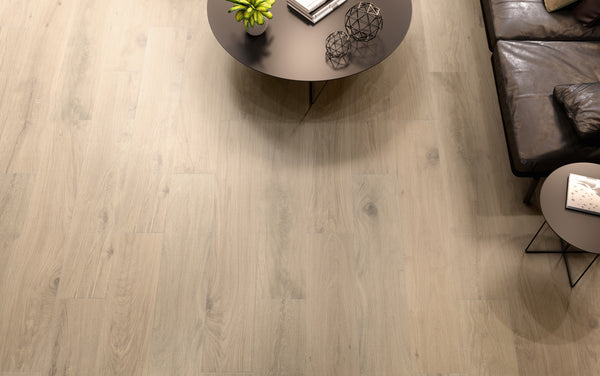
1. Wood-Look Porcelain for a Warm, Natural Appearance
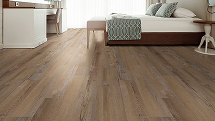
Wood-look porcelain tile provides the appearance of natural planks with the low water absorption and easy maintenance associated with porcelain. It works especially well when the mudroom connects to a kitchen, hallway, or living area where a continuous wood-inspired look is desired.
Choose a floor-rated product with a matte or lightly textured finish. Keep in mind that a deeply textured surface may hold more dirt and require additional cleaning. Long plank formats also need careful substrate preparation and layout planning to limit lippage.
2. Slate or Slate-Look Tile for Natural Variation
Slate brings rich color variation and an organic surface to a mudroom. Its natural appearance can make tracked-in dust and minor marks less noticeable, making it appealing for rustic, traditional, and transitional interiors.
Natural slate varies in absorption, thickness, surface texture, and maintenance requirements. Some products require sealing, and a cleft surface may need more detailed cleaning. For a similar look with more predictable performance, consider slate-look porcelain. Always confirm that the selected slate or porcelain tile is approved for the intended floor application.

3. Quarry Tile for a Practical Utility Space
Quarry tile is commonly associated with hardworking commercial and utility spaces. Its warm earth tones and understated appearance can suit a mudroom connected to a garage, workshop, or busy family entrance.
Performance varies by product, so do not assume that every quarry tile has the same water absorption or wet traction. Review the manufacturer's specifications and ask the installer to recommend a compatible mortar and grout system. A medium or coordinated grout color can help make everyday debris less conspicuous.
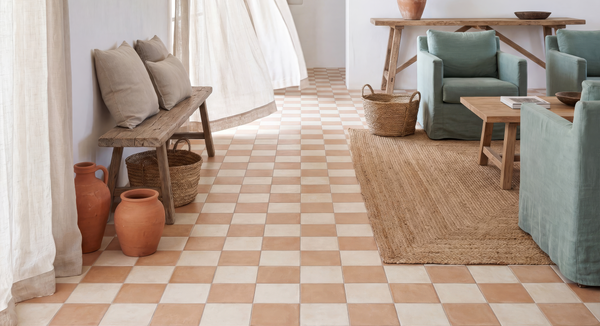
4. Patterned Tile for a More Decorative Floor
Patterned tile can turn a small mudroom into a distinct design feature. Checkerboard, encaustic-look, and repeating geometric patterns add character while helping disguise minor dirt between cleanings.
Patterned porcelain is generally easier to maintain than traditional cement tile in a moisture-prone entrance. Cement tile is porous, usually requires sealing, and can be sensitive to certain cleaners. If you prefer the appearance of cement tile with simpler maintenance, choose a floor-rated porcelain product that recreates the look.
Explore checkerboard tile for classic and contemporary floor patterns.
5. Concrete-Look Porcelain for a Modern Mudroom
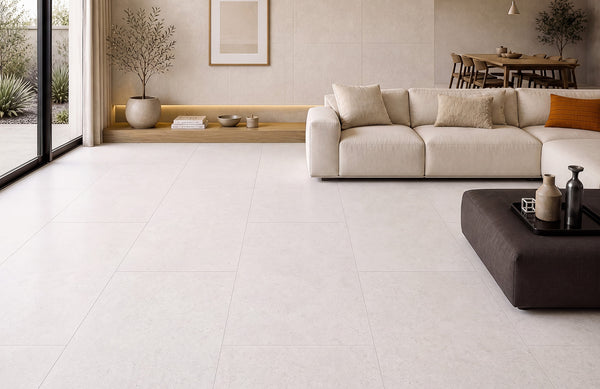
Concrete-look porcelain delivers a clean, modern appearance without the porosity and maintenance considerations associated with poured concrete. Gray, greige, and taupe shades work well in high-traffic entrances because they do not emphasize every speck of dust or dried water mark.
Large-format concrete-look tile can make a compact mudroom feel more open by reducing the number of visible grout lines. The substrate must be properly prepared, and the installer should follow the tile and setting-material manufacturers' requirements for mortar coverage, grout joints, and movement accommodation.
6. Geometric Porcelain for Visual Movement
Hexagons and other geometric shapes add movement to a mudroom floor without requiring a heavily patterned surface. A single color creates a quieter design, while multiple coordinated shades produce a more noticeable pattern.
Choose a matte, floor-rated porcelain tile and review its wet-use specifications. Geometric layouts require careful planning along walls, doorways, cabinets, and floor transitions, so the final layout should be confirmed before installation begins.
7. Floor-Rated Mosaic Tile for Added Detail
Mosaic tile uses smaller pieces and more grout joints to create texture and visual detail. Porcelain mosaics can be a practical choice for a compact mudroom, while stone mosaics offer natural variation with additional sealing and maintenance considerations.
Not every mosaic is intended for floors. Some glass, ceramic, and decorative mosaics are approved only for walls, so check the listed applications for the individual product. More grout joints also mean more areas where dirt and salt residue can collect.
Browse mosaic tiles and verify floor suitability before making a selection.
How Salt, Snow, and Grit Affect Mudroom Tile
Tracked-in snow introduces both moisture and outdoor debris. De-icing salt can dry into a pale film that is especially noticeable on dark tile and grout. Sand and grit can also act as abrasives when dragged across the floor.
Place a scraping mat outside the entrance and an absorbent mat inside the mudroom. Sweep or vacuum loose grit before mopping, and clean salt residue before it accumulates. Use a cleaner approved for the tile and grout rather than automatically reaching for vinegar, bleach, or an abrasive household product. Acidic cleaners can damage natural stone and may affect certain grout or sealed surfaces.
Mudroom Tile Installation Considerations
A lasting tile floor begins with a stable, properly prepared substrate. The installer should evaluate flatness, movement, moisture, doorway clearance, transitions, and the condition of the existing subfloor. Uneven or unstable surfaces can contribute to lippage, cracked grout, or tile failure.
Large-format and plank tile may have additional substrate and mortar requirements. Natural stone may also require specialized preparation, setting materials, and sealing. Follow the tile, mortar, grout, membrane, and sealer manufacturers' instructions rather than applying one installation method to every material.
Before placing the final order, have the installer confirm measurements, layout, grout-joint width, and waste allowance. Keep several unused tiles along with the shade, caliber, and lot information for possible future repairs.
How to Maintain a Mudroom Tile Floor
Regular cleaning prevents dirt and grit from wearing on the surface. Sweep or vacuum frequently, remove standing water promptly, and mop with a pH-neutral cleaner approved for the installed materials. Avoid leaving cleaner residue behind because it can make the floor appear cloudy and may affect traction.
Natural stone and cement tile may require periodic resealing, depending on the material, sealer, traffic, and manufacturer instructions. Inspect grout and movement joints periodically so small cracks or damaged sealant can be addressed before moisture reaches the layers below.

Find the Right Mudroom Tile at Tile Mart
For most homes, matte or lightly textured porcelain offers the best balance of low water absorption, durability, design flexibility, and manageable maintenance. Wood-look, stone-look, concrete-look, patterned, geometric, and mosaic formats allow the floor to complement nearly any interior style.
Compare samples in the actual mudroom under natural and artificial light, but use the product specifications to confirm floor suitability and wet performance. When you are ready to begin, explore Tile Mart's floor tiles or contact us for help narrowing your options.