




What’s The Cost For Subway Tile? Here's A Quick Breakdown

When planning a kitchen or bathroom upgrade, one of the most common and impactful design features to consider is a subway tile backsplash. Its classic appeal, ease of maintenance, and clean look make it a go-to option for homeowners and designers alike. But how much does it really cost for subway tile, and what influences that number?
If you're comparing material options or evaluating the cost of subway tile backsplash installation, you’ll want a clear and practical overview of what to expect. In this post, we’ll break down the full range of costs associated with subway tile projects, covering everything from base material prices to preparation, labor, and additional finishing expenses.
Whether you’re taking the DIY route or hiring a professional, understanding the breakdown can help you budget smartly and confidently start your next home improvement project.

Understanding Basic Subway Tile Costs
The foundation of any subway tile project starts with the tile itself. The cost of subway tile varies widely depending on the material, finish, and brand. Basic ceramic subway tiles are typically the most affordable option, with prices starting as low as $1 per square foot for no-frills white tiles. These are widely available and work well for budget-friendly renovations or large-scale projects.
As you move into more premium territory, porcelain subway tile generally falls between $3 to $8 per square foot. This material is denser and less porous than ceramic, making it an ideal choice for high-moisture areas or more demanding applications.
At the high end, glass, marble, and metal subway tiles can cost between $10 to $30 per square foot or more. These upscale options bring a distinctive design flair and elevate the room's look, but they also significantly increase the total project cost. Keep in mind that specialty tiles may also require more precision in cutting and installation, which can add labor expenses if you’re working with a contractor.
Factoring In Installation Costs
Beyond the tile itself, the cost of installing a subway tile backsplash is a key consideration. If you’re hiring a professional tile installer, the labor alone can range between $7 to $15 per square foot, depending on your location, the complexity of the design, and whether surface prep is required. This figure typically includes adhesive application, tile placement, and grouting.
For a standard 30-square-foot backsplash, you might pay between $210 to $450 for installation labor alone. When paired with mid-range tile at $5 per square foot, your total backsplash project could come in between $360 and $600. Add in premium materials or intricate layouts, and that figure can rise significantly, especially if the installer charges extra for cutting around electrical outlets, working with small mosaic tiles, or handling fragile materials like marble or glass.
DIY installation can eliminate labor costs entirely, making it an appealing option for budget-conscious renovators. However, a successful DIY job requires the right tools, a steady hand, and thorough preparation. Even small misalignments can become glaringly obvious with the precise lines of subway tile, so make sure you’re up for the challenge if you choose to tackle it on your own.
Additional Materials That Affect Pricing
The tile is just the beginning. Every subway tile backsplash project requires a set of additional materials and tools that add to the total cost. These essentials include adhesive or thinset mortar, grout, spacers, sealant, and potentially trim pieces for the edges.
Adhesive materials typically cost $10 to $20 per bag or bucket. For most small to mid-size backsplash installations, one container is often enough. Grout prices vary by type and brand, but standard options usually cost between $10 to $25. Depending on your chosen grout color, you may also want to invest in a grout sealer to protect against moisture and staining, especially in kitchen areas.
Tile spacers and other small accessories are inexpensive but necessary for maintaining consistent spacing and alignment. Additionally, if your layout includes exposed edges, finishing trim or bullnose tiles may be needed to create a clean and professional look. These often cost $5 to $10 per linear foot.
When evaluating the total cost of subway tile backsplash installation, these supporting materials can add anywhere from $50 to $150 to your overall budget, depending on the size of the space and the quality of the materials you select.
Cost by Project Size and Scope
The size of your tiling project has a significant impact on the final cost. A simple backsplash behind a range may only cover 10 to 15 square feet, keeping material and labor costs low. On the other hand, a full-wall kitchen backsplash or a bathroom shower installation can involve 50 square feet or more, which multiplies your expenses accordingly.
Let’s look at a few scenarios:
For a small kitchen backsplash using affordable ceramic tile, a DIY installation can help keep your total cost under $200. The same project done by a contractor using mid-range porcelain tile might cost around $500 to $700.
If you’re working on a medium-sized wall of 40 to 50 square feet using high-end marble tile and professional installation, your final cost could exceed $1,500, especially if the space includes outlets, windows, or other tricky elements.
Planning ahead and measuring carefully will help avoid surprises and ensure you order enough tile with a little extra for cuts, errors, or future repairs.

Custom Layouts and Design Upgrades
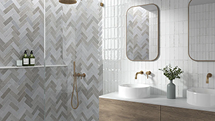
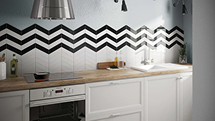
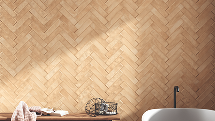
Subway tile is famous for its traditional brick or offset layout, but modern designers are exploring fresh takes on this classic look. Vertical stacks, herringbone arrangements, and basketweave patterns offer visual interest but can increase the complexity of installation. These creative patterns often require more cuts, detailed measurements, and greater installer expertise, all of which may raise labor costs.
Additionally, choosing a contrasting grout color can create a bold, graphic statement that elevates your space. However, this technique requires precision during grouting and a more detailed cleanup to prevent staining, especially on porous tile surfaces. That extra effort may be reflected in higher labor charges or longer project timelines.
Another design element to consider is the tile finish. Glossy finishes are common and generally easier to clean, while matte or textured finishes may look more modern but require more maintenance. Specialty finishes or handmade tiles often involve slight size variations, which means installers must spend more time adjusting for alignment and spacing.
While these upgrades may increase the total cost of subway tile installation, they also offer a custom, design-forward result that can enhance your space’s visual appeal and increase its resale value.
Demolition, Prep, and Unexpected Costs
In renovation projects, the real wildcard lies in what you can’t see until you start. If you’re replacing an old backsplash, demolition and wall preparation might be needed before new tile can be installed. Removing existing tile may involve additional labor and disposal costs, especially if there is damage to the wall beneath.
Surface preparation is essential for proper adhesion. If your drywall is uneven, textured, or water-damaged, additional materials like backer board or patching compound may be necessary. These costs are often overlooked in initial estimates but can add another $100 to $300 to a project, depending on the condition of the wall.
It’s also smart to budget a small contingency for unexpected tools or material needs. A wet saw rental, for example, may cost $30 to $50 per day if you need precision cuts around outlets or corners. Silicone caulk, outlet spacers, painter’s tape, and drop cloths are other items you might find yourself picking up mid-project.
While it’s tempting to cut corners, investing in proper prep and quality materials often saves time and avoids expensive fixes down the line.
Comparing DIY vs. Professional Installation
Many homeowners wrestle with the decision between DIY and professional subway tile installation. Doing it yourself can cut labor expenses entirely and provide the satisfaction of hands-on involvement. With careful planning and attention to detail, a motivated DIYer can complete a backsplash over a weekend for a fraction of the cost.
However, a professional installer brings experience, efficiency, and peace of mind. Hiring a pro can be especially beneficial for intricate layouts, large spaces, or projects involving expensive or delicate materials. If your time is limited or you’re unsure about measuring, cutting, and grouting properly, professional installation may be the safer and more effective choice.
When evaluating your options, consider not just the dollar amount but also the time commitment, the learning curve, and the potential for error. A botched tile job can cost more to fix than it would have cost to hire a contractor from the start.
Long-Term Value and Investment
While the initial cost for subway tile might feel significant, especially with high-end materials and expert installation, it’s worth considering the long-term return on investment. Subway tile is known for its durability and timeless look, which means it can enhance your home’s resale value and remain stylish for years to come.
In kitchens and bathrooms, where aesthetics and functionality matter most, a well-executed subway tile backsplash offers both. It protects your walls, adds design interest, and helps create a cohesive and polished look. For many homeowners, that value justifies the upfront investment, especially if they plan to stay in the home for several years or sell in the near future.
Additionally, the range of pricing means there’s a subway tile solution for nearly every budget. From affordable ceramic options to luxury marble finishes, you can tailor your choices to meet your financial goals without compromising on style.

Choose Confidence. Choose Tile Mart.
At Tile Mart, we know that understanding the cost of subway tile is about more than just the price per square foot. It’s about seeing the big picture: factoring in installation, materials, design choices, and long-term value. Whether you're planning a small backsplash or a full-wall installation, we’re here to help you navigate every detail with clarity and confidence.
Our extensive selection of subway tiles, combined with competitive pricing and expedited delivery, ensures that you’ll find the perfect product for your space and budget. We’re committed to helping you create beautiful, long-lasting designs without the guesswork. If you're ready to explore your subway tile options, we're just a click away.