

Education
Key Highlights
- Watch designer Julee Ireland build a full coastal tile moodboard in Episode 3 of Style Your Tile.
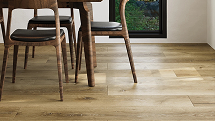
- See how wood-look porcelain plank flooring sets the base for a coastal-inspired room.
- Explore Hampton 15 matte porcelain field tile in Montauk and Noyack for coastal-toned walls and backsplash.
- Get styling tips for pairing coastal tile with rugs, paint, and hardware.
- Find answers to common questions on coastal tile colors, finishes, and where to use them.
Introduction
A coastal tile look starts with warm, wood-look flooring and a soft, sea-and-sand color palette, then layers in matte, textured field tile for depth. In Episode 3 of Style Your Tile, interior design architect and founder of Home Renovation School, Julee Ireland, builds a full coastal breeze moodboard using our Century Wood Look porcelain and Hampton 15 field tile, then ties it together with rugs, paint, and hardware. Here's how she did it, and how you can bring the same coastal tile ideas into your own home.

What Makes a Tile Feel Coastal
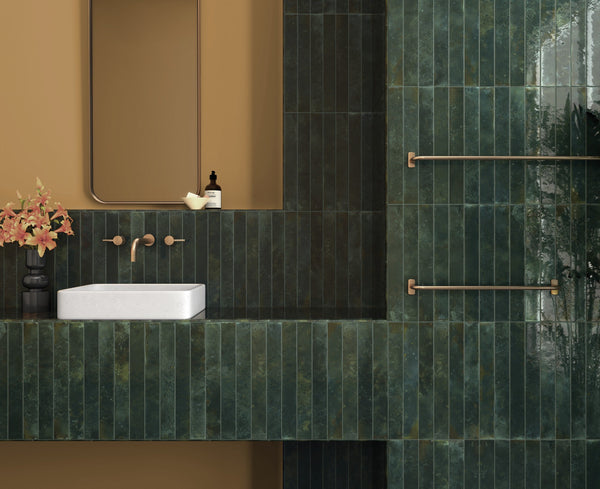
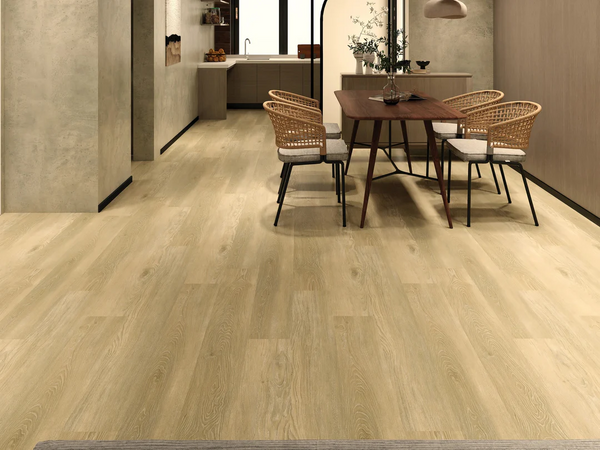
Coastal tile leans on a soft sea-and-sand color story, blues, greens, sand, beige, and off-white, paired with matte or lightly textured finishes that read as relaxed rather than formal. Wood-look porcelain plank is a coastal staple because it brings warmth without the moisture concerns of real hardwood, since porcelain has very low water absorption compared to wood or natural stone. Classic field tile shapes, like subway, hexagon, or the small-format 6x6 squares in Hampton 15, keep a coastal backsplash or coastal bathroom tile look timeless instead of trend-chasing.
Setting the Coastal Dreamscape
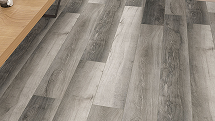
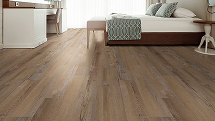
Julee starts the moodboard with Serena and Lily's Boardwalk Jute Rug. Paired with our Century Wood Look porcelain plank tile in Natural, a 9.84x59.1 matte porcelain plank with realistic wood grain, it lays the foundation for a serene, coastal-inspired room.
Thoughtful Tile Selections: Hampton 15
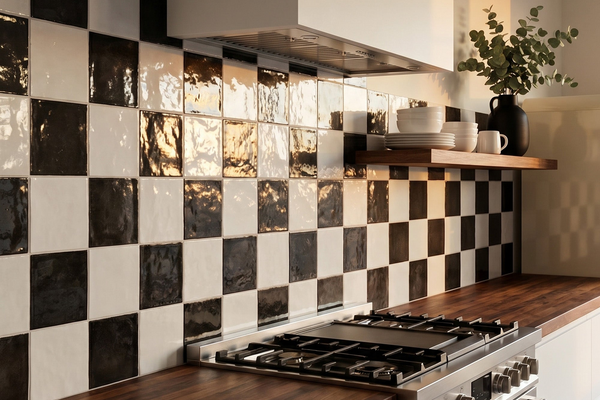
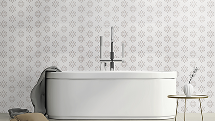
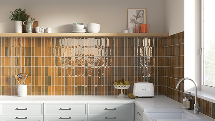
To build out the coastal theme, Julee pairs the wood-look flooring with pieces from Serena and Lily's Hughes County collection and her favorite wallpaper designs. Her top pick is our Hampton 15 decorative 6x6 matte porcelain field tile in Montauk and Noyack, both named for towns on Long Island's East End. The soft, muted tones and matte finish add intricate texture that works well as a coastal backsplash or on a coastal bathroom tile wall. The same line also comes in Bridgeham and Shinnecoc, two more coastal-toned colorways worth comparing.

Accents, Upholstery, and Paint That Complete the Look
No coastal room is complete without a few grounding accents. Julee adds starfish and crystals for a subtle nod to the ocean, then hammered chrome cabinet pulls and knobs for a polished, slightly nostalgic finish. For upholstery, she chooses Serena's Hughes counter stool in Perennials Granville and Sea Salt fabrics, both light and airy enough to keep the room feeling breezy.
For paint, Julee builds the palette around Bear's Norwegian Blue, Half Seafog, Ginger Sugar, and Blank Canvas, a set of soft, harmonizing tones that invite calm into every corner of the room.
How to Bring This Coastal Tile Look Into Your Home
You don't need a full renovation to borrow this moodboard. Start with a wood-look porcelain floor for warmth, then use a small-format matte field tile like Hampton 15 on a bathroom wall, shower surround, or kitchen backsplash to add texture without overwhelming the room. Keep grout lines tight and the palette limited to two or three coastal tones so the space stays cohesive.
Our Coastal Tiles collection groups options that fit this look, and you can browse by room in our bathroom, kitchen, and backsplash collections.
Frequently Asked Questions
What colors work best for a coastal tile look?
Coastal palettes lean on ocean blues, soft greens, sand, beige, and off-white. Most coastal rooms pair one of these accent tones with a warm, neutral wood-look floor so the space stays calm rather than busy.
Is matte or glossy tile better for a coastal style?
Matte and lightly textured finishes read as more relaxed and beach-house casual, while high-gloss tile tends to feel more formal. Most coastal moodboards favor matte field tile and wood-look porcelain for that reason.
Can wood-look porcelain go in a bathroom?
Yes. Porcelain has very low water absorption, so wood-look porcelain plank handles bathroom and other moisture-prone rooms in a way real hardwood can't.
Where should you use coastal tile in a home?
Bathroom walls and shower surrounds, kitchen backsplashes, and main living area floors are the most common spots. Small-format field tile works well on vertical surfaces for a coastal backsplash, while wood-look plank suits floors.
What's the difference between coastal and Mediterranean tile?
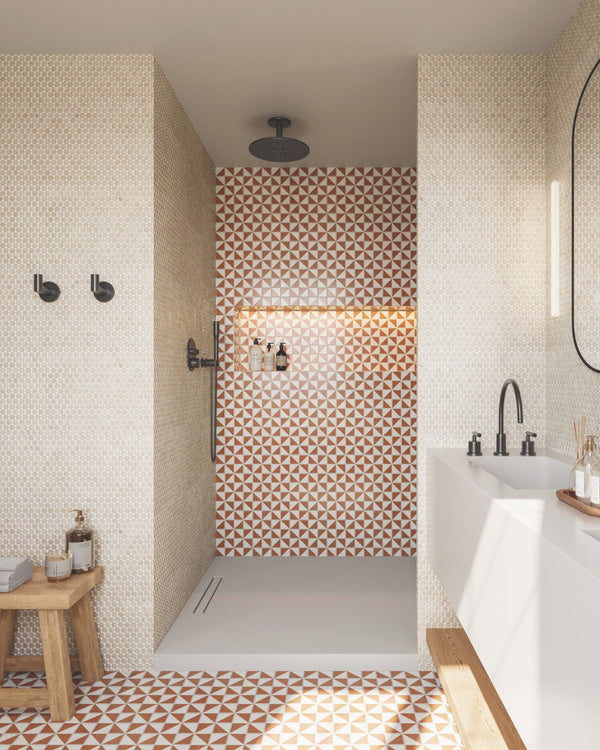
Coastal tile favors muted blues, greens, sand tones, and matte finishes for a relaxed beach-house feel. Mediterranean tile leans on warmer terracotta, hand-painted patterns, and more saturated color, evoking a different shoreline entirely.
Conclusion
A coastal tile look comes together with just a few well-chosen pieces: warm wood-look flooring, a textured matte field tile for the walls, and a tight palette of sea-and-sand tones. Julee Ireland's Coastal Breeze moodboard shows how Century Wood Look and Hampton 15, in Montauk, Noyack, Bridgeham, or Shinnecoc, create that feeling without a full renovation.
Ready to Build Your Own Coastal Tile Look?
Compare wood-look porcelain and Hampton 15 colorways, order samples, and start planning your coastal-inspired room.