

Education

Tile patterns do more than fill a space; they define it. When comparing the chevron tile pattern vs herringbone, each layout brings its own sense of rhythm and texture to a room. Both patterns create visual flow that draws the eye across a room, yet they differ in structure, installation, and overall effect.
Understanding their unique characteristics can help you decide which suits your space best, from kitchens and entryways to bathrooms and living areas.
Understanding the Basics of Each Pattern
The herringbone pattern consists of rectangular tiles laid in a zigzag arrangement, where each tile’s short end meets another’s long side. This creates a broken “V” shape that adds rhythm and depth to any surface. It is timeless and works well in both traditional and modern designs.
The chevron pattern, on the other hand, features tiles cut at precise angles so they meet perfectly point-to-point, forming a continuous zigzag without breaks. The result is sleek, bold, and highly symmetrical, making it perfect for contemporary interiors that embrace clean lines.
Both layouts have historic roots but have made a strong comeback in modern design due to their ability to transform simple materials into statement surfaces.

Visual Differences That Set Them Apart
Though similar in movement, the chevron and herringbone patterns produce noticeably different aesthetics. The chevron’s sharp “V” angles give it a seamless, directional look that naturally draws attention. It feels dynamic and deliberate, making it ideal for accent walls or elongated spaces.
Herringbone, with its offset joints, introduces texture and subtle irregularity. The broken zigzag pattern adds warmth and character, perfect for spaces that feel lived-in yet stylish. It can make smaller rooms appear wider by creating the illusion of width across the pattern.
When deciding between chevron tile pattern vs herringbone, consider the mood you want to achieve. Choose sharp and geometric for a bold look or soft and textured for a more subtle feel.
Material Options for Chevron and Herringbone
Both patterns are incredibly versatile and can be executed with various materials. Ceramic tiles are a top choice for their durability, affordability, and ease of maintenance. You can explore high-quality ceramic tiles in endless colors and finishes to match any design style.
For high-traffic areas or moisture-prone spaces like bathrooms, porcelain offers added density and strength. Browse porcelain tiles for a long-lasting option that resists scratches and water absorption.
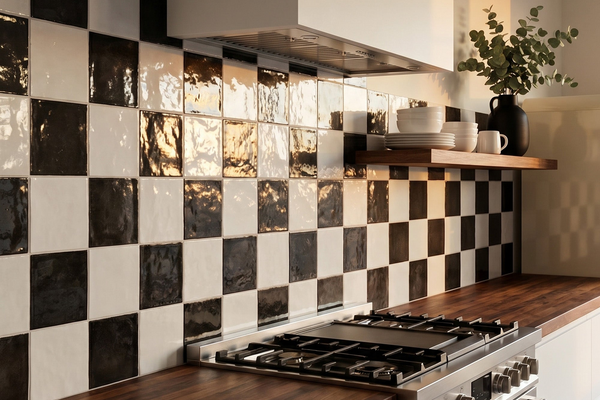
If you love a clean, classic look, subway tiles also work beautifully in herringbone or chevron layouts. The subtle texture and glossy finish of subway tiles can brighten compact rooms, making them feel open and fresh.
From marble looks to wood grains, both patterns can highlight the natural beauty of your chosen material while adding architectural interest.

Installation and Space Planning Considerations
Herringbone patterns are slightly easier to install than chevron because they do not require cutting tiles at specific angles. The layout naturally hides small imperfections, making it a forgiving choice for beginners or DIY renovators.
Chevron, on the other hand, demands precision. Each tile must align perfectly to create its characteristic “V” shape. This pattern is better suited for professional installation to maintain consistency and clean geometry.
In smaller spaces, such as powder rooms or kitchen backsplashes, herringbone can create a sense of movement without overwhelming the design. Chevron works best in open layouts, hallways, or large accent walls where its symmetry can be fully appreciated.
Design Inspiration and Pattern Pairings
Pairing tile shapes, textures, or colors can elevate your space even further. For example, a chevron wall with neutral tones pairs well with plain flooring for a minimalist effect. Herringbone flooring looks inviting when complemented by smooth, simple wall tiles.
You can also experiment with finish combinations. A glossy herringbone backsplash alongside matte floor tiles introduces contrast and depth. Likewise, a chevron layout in two alternating shades can create a gradient effect that feels modern and artistic.
If you are feeling bold, mix both patterns in different areas of your home. Use chevron in the entryway for a dramatic first impression, and herringbone in the kitchen for timeless charm.
Which Pattern Should You Choose?
When deciding between chevron and herringbone, think about your space’s proportions and style goals.
Choose herringbone if you want texture, subtle movement, and a classic look that never goes out of style. It suits transitional and rustic interiors beautifully.
Opt for chevron if your vision leans toward modern, structured, and visually striking designs. The clean “V” lines of chevron tile layouts create bold continuity that elevates any modern space.
Both patterns offer timeless appeal and can be tailored to match your taste through creative use of materials and grout colors.
Explore Endless Tile Possibilities
At Tile Mart, we know that every tile choice tells a story. Our diverse tile collections feature chevron, herringbone, and many other designs that bring character to your home. From inspiration to selection, our team makes your renovation process fun and personal. Discover our ceramic, porcelain, and subway options to find the perfect materials for your next project.
Visit Tile Mart today and let your next tile pattern make a statement.