




Ceramic Vs. Porcelain Tile: What’s The Difference?
 When it comes to choosing the right flooring or wall tile for your home, the debate of ceramic vs. porcelain tile is one of the most common. Homeowners, designers, and renovators alike often find themselves navigating the subtle yet important differences between ceramic and porcelain floor tiles.
While both materials are technically part of the ceramic family, their individual characteristics can significantly impact performance, cost, and aesthetic outcomes. Understanding these differences is crucial for selecting a tile that suits your lifestyle, space, and long-term objectives.

What Makes Ceramic and Porcelain Tiles Different?
Though the terms are sometimes used interchangeably, ceramic and porcelain tiles differ primarily in their composition and manufacturing processes. Ceramic tile is typically made from red, brown, or white clay that is shaped and baked in a kiln. It is often finished with a durable glaze, which provides both color and a protective layer.
Porcelain tile, on the other hand, is crafted from a denser type of clay and fired at much higher temperatures. This process creates a harder, less porous surface that is known for its exceptional durability and resistance to moisture.
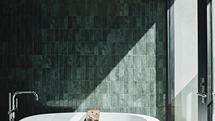
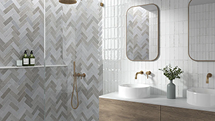
This denser, finer composition means that porcelain is generally considered a more premium product. Its reduced water absorption rate and uniformity throughout the tile make it ideal for high-traffic areas, bathrooms, and outdoor applications.
Ceramic, being slightly softer and more porous, tends to be a bit easier to cut and more cost-effective, making it a popular choice for indoor walls and floors where heavy wear and moisture exposure are less of a concern.
Durability and Longevity
One of the most significant differences between ceramic and porcelain tile lies in their durability. Porcelain is considerably harder than ceramic, often boasting a PEI (Porcelain Enamel Institute) rating of 4 or 5, which indicates that it can withstand heavy foot traffic in commercial settings. Its strength comes from the higher firing temperature and refined materials, resulting in a tile that resists chips, scratches, and stains far better than its ceramic counterpart.
Ceramic tile, although durable, may not be the best option in environments where heavy wear is anticipated. It’s more prone to chipping, particularly along the edges, and the glaze that provides its color and protection can wear down over time in high-traffic areas. That said, for rooms such as guest bathrooms, bedrooms, or decorative wall applications, ceramic provides more than enough strength for everyday use.
Water Absorption and Moisture Resistance
Another crucial distinction in the ceramic vs porcelain floor tile comparison is how each material handles water. Porcelain tiles are vitrified, meaning they absorb less than 0.5% of water. This makes them ideal for bathrooms, kitchens, laundry rooms, and even outdoor patios. Their ability to withstand moisture also helps prevent mold and mildew growth beneath the tile surface, a common issue in damp environments.
Ceramic tiles, being more porous, absorb more water, usually between 3% to 7%. While this is still relatively low, it makes them less suitable for exterior applications or areas that are constantly wet. For homeowners concerned with long-term water exposure, porcelain provides a clear advantage. However, with proper sealing and care, ceramic tile can still perform well in many household settings.
Appearance and Style Variety
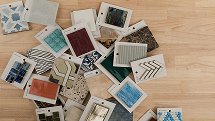
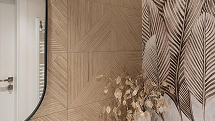
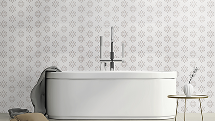
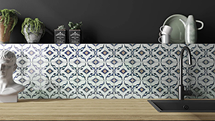
Both ceramic and porcelain tiles are available in a wide range of colors, finishes, sizes, and patterns. Ceramic tiles, due to their softer clay body, are often easier to shape and decorate, which allows for a greater variety of intricate designs and artistic finishes. From hand-painted options to textured surfaces, ceramic offers more stylistic flexibility in decorative installations.
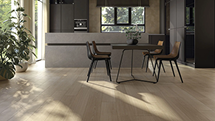
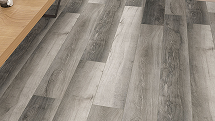
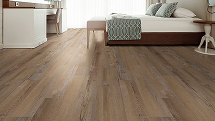
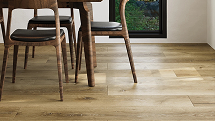
Porcelain, although limited in terms of elaborate surface decoration due to its density, has made significant strides in digital printing technology. Many porcelain tiles now mimic the appearance of natural materials, such as wood, stone, and concrete, with stunning realism. These tiles can replicate hardwood flooring, marble slabs, and even intricate mosaics while providing all the benefits of a low-maintenance surface.
When it comes to visual appeal, both ceramic and porcelain have a lot to offer. The choice often comes down to the intended look, desired texture, and practical performance requirements.
Cost Considerations
Budget is often a major factor when deciding between ceramic and porcelain tile. In general, ceramic tile is less expensive, both in terms of material cost and installation. Its softer composition makes it easier to cut and work with, which can lower labor costs during a renovation or build.
Porcelain tile, due to its dense construction and firing process, usually carries a higher price tag. Additionally, because it is more difficult to cut and drill, installation costs may be higher, particularly for complex layouts or designs. However, porcelain’s durability can make it a better long-term investment in high-traffic or moisture-prone areas, potentially saving money on repairs or replacements down the line.
For homeowners working within a tight budget, ceramic is an excellent option that doesn't require sacrificing style. For those willing to invest a bit more upfront for performance and longevity, porcelain offers superior value over time.
Ease of Installation and DIY Friendliness
Another key distinction is the ease of installation. For DIY enthusiasts, ceramic tile tends to be more forgiving. It’s lighter in weight, easier to cut with standard tile tools, and often simpler to handle during layout and adhesive application. These traits make ceramic tile a favorite for weekend home improvement projects and small remodels.
Porcelain tile, on the other hand, requires specialized tools such as a wet saw with a diamond blade to achieve clean cuts. Its density also means more effort is required to drill or shape tiles, which can be a challenge for first-time tilers. If you're planning a DIY project with porcelain, be prepared for a steeper learning curve; consider hiring a professional for the installation instead.
Despite these differences, both tile types can be successfully installed by experienced individuals or by contractors who understand the best practices for subfloor preparation, adhesive selection, and grout work.
Maintenance and Cleaning
Fortunately, both ceramic and porcelain tiles are relatively easy to maintain. Their glazed surfaces resist stains, and routine cleaning with a damp mop and mild detergent is usually sufficient. However, there are subtle differences in their long-term care.
Porcelain, being less porous, is naturally more resistant to spills and grime. This makes it a top choice for kitchens and entryways where dirt and liquids are common. Its toughness also means it’s less likely to show wear or etching from acidic substances.
Ceramic tile, especially if unglazed or lightly glazed, may require periodic sealing to maintain its water resistance and prevent staining. Grout lines should also be properly sealed in both cases to avoid discoloration and moisture intrusion. With proper upkeep, both ceramic and porcelain can last for decades and continue to look beautiful with minimal effort.
Environmental Impact
Sustainability is becoming an increasingly important consideration in home renovation. Both ceramic and porcelain tiles are made from natural materials (primarily clay and minerals) and are fired in kilns, consuming energy. However, once installed, these tiles have a long lifespan and do not emit VOCs (volatile organic compounds), making them a healthier choice for indoor environments.
Porcelain tile may be slightly more energy-intensive to produce due to the higher firing temperature and finer materials. However, its longevity can offset this by reducing the need for replacement. Some manufacturers also offer eco-certified products made with recycled materials or energy-efficient production practices.
For environmentally conscious homeowners, researching the tile’s origin, production method, and material composition can help ensure a greener choice. At Tile Mart, we encourage shoppers to explore sustainable options whenever possible.

Best Uses for Ceramic and Porcelain Tile
Ceramic tile is best suited for indoor use, particularly in areas with lower foot traffic or where moisture is not a constant concern. Ideal spaces include backsplashes, feature walls, guest bathrooms, and bedrooms. Its decorative appeal makes it perfect for creative applications where design is the priority.
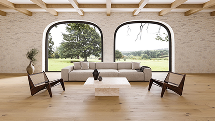
Porcelain tile excels in both residential and commercial spaces where durability and water resistance are key. It’s perfect for flooring in kitchens, bathrooms, hallways, and outdoor patios. Thanks to advances in design, it also shines in living rooms and bedrooms where the look of wood or stone is desired without the associated upkeep.
Ultimately, the decision between ceramic vs porcelain tile depends on where the tile will be used, your style preferences, and your budget. Evaluating the function of the space and how much wear and tear the tile will endure will help determine a better fit.
Let’s Find the Perfect Tile Together!
Here at Tile Mart, we understand that choosing between ceramic and porcelain tile can feel overwhelming, especially when each option has distinct advantages. Our goal is to empower and educate you with the information you need to make informed decisions for your space. Whether you’re planning a full home renovation or a simple upgrade, our wide selection of high-quality tiles ensures you’ll find something that matches your taste, performance expectations, and budget.
As a fully online tile store with fast, flat-rate shipping and an exclusive Sample Program, we make it easy for you to explore both ceramic and porcelain options in the comfort of your own home. We’re here to help guide you through every step of your tiling journey, from inspiration to installation.
Explore our collections today and find the perfect tile to transform your space.